Your heat source decides the menu: an open fire suits kabobs, foil packs and chili, a camp stove handles one-pot pasta and skillets, and with no heat at all you’re down to subs, tuna salad and pasta salad.
The ideas range from no-cook picks like pre-made sub sandwiches, tuna salad and pasta salad to a Dutch oven pizza, and most of the work can happen at home, which is what the meal prep tips cover.
1. Chicken and Veggie Shish Kabobs
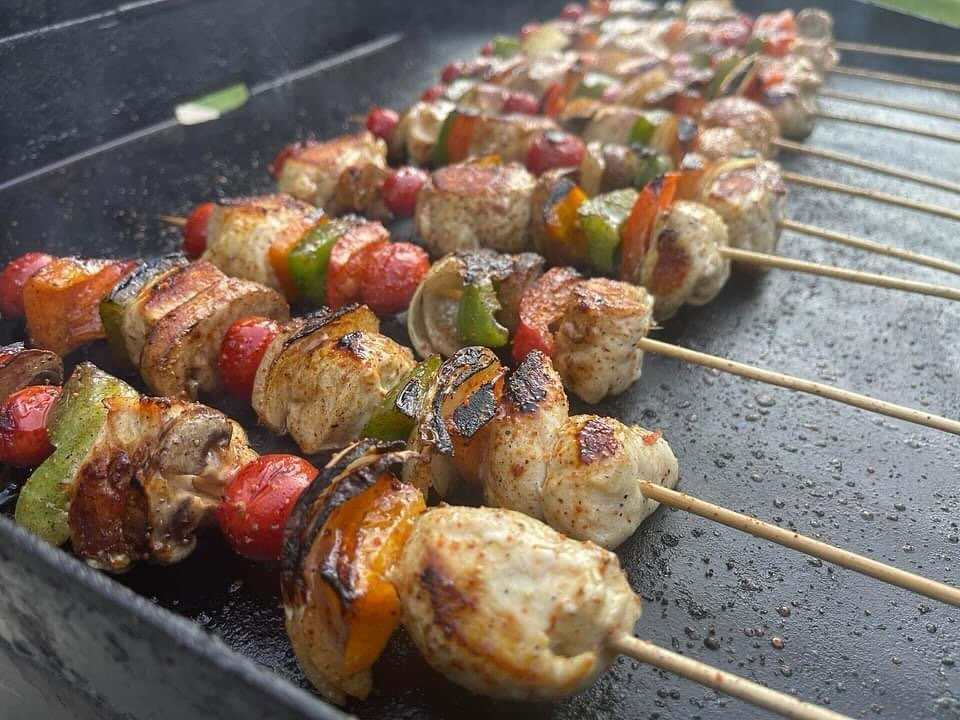
Frozen veggies are the shortcut I would take here: a bag of your favorite blend skips the chopping, and a cooler keeps it cold until dinner.
Toast pita bread on the same cooking surface for a minute or so and serve it alongside. It soaks up the juices from the skewers, so there’s no need for a plate of sides.
2. Foil Pack Dinners
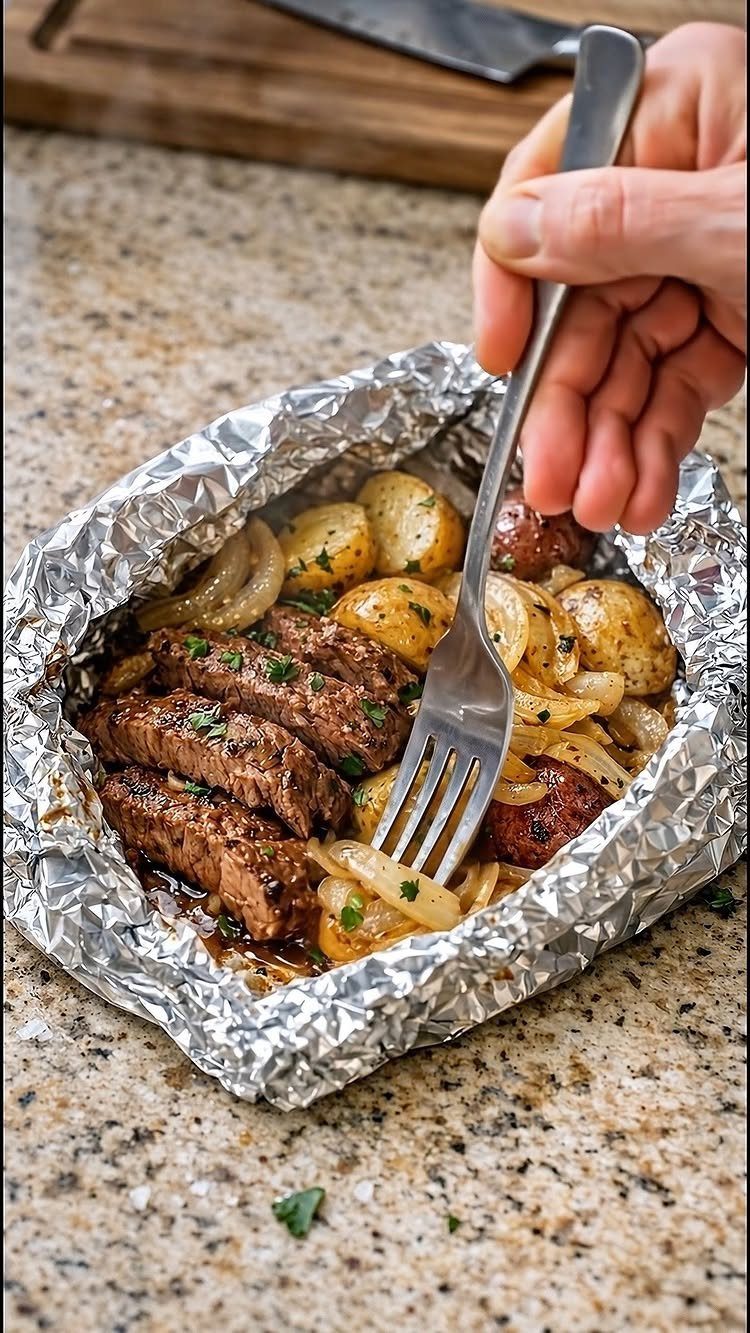
Foil packs earn their place by what happens after dinner: no pots to scrub, just a crumpled sheet to toss.
Assemble each pack at home or at the picnic table, one per person, and fold the edges tightly so nothing leaks. Heavy-duty foil is my pick over the thin kind, since a torn pack loses its juices into the fire.
3. Campfire Chili
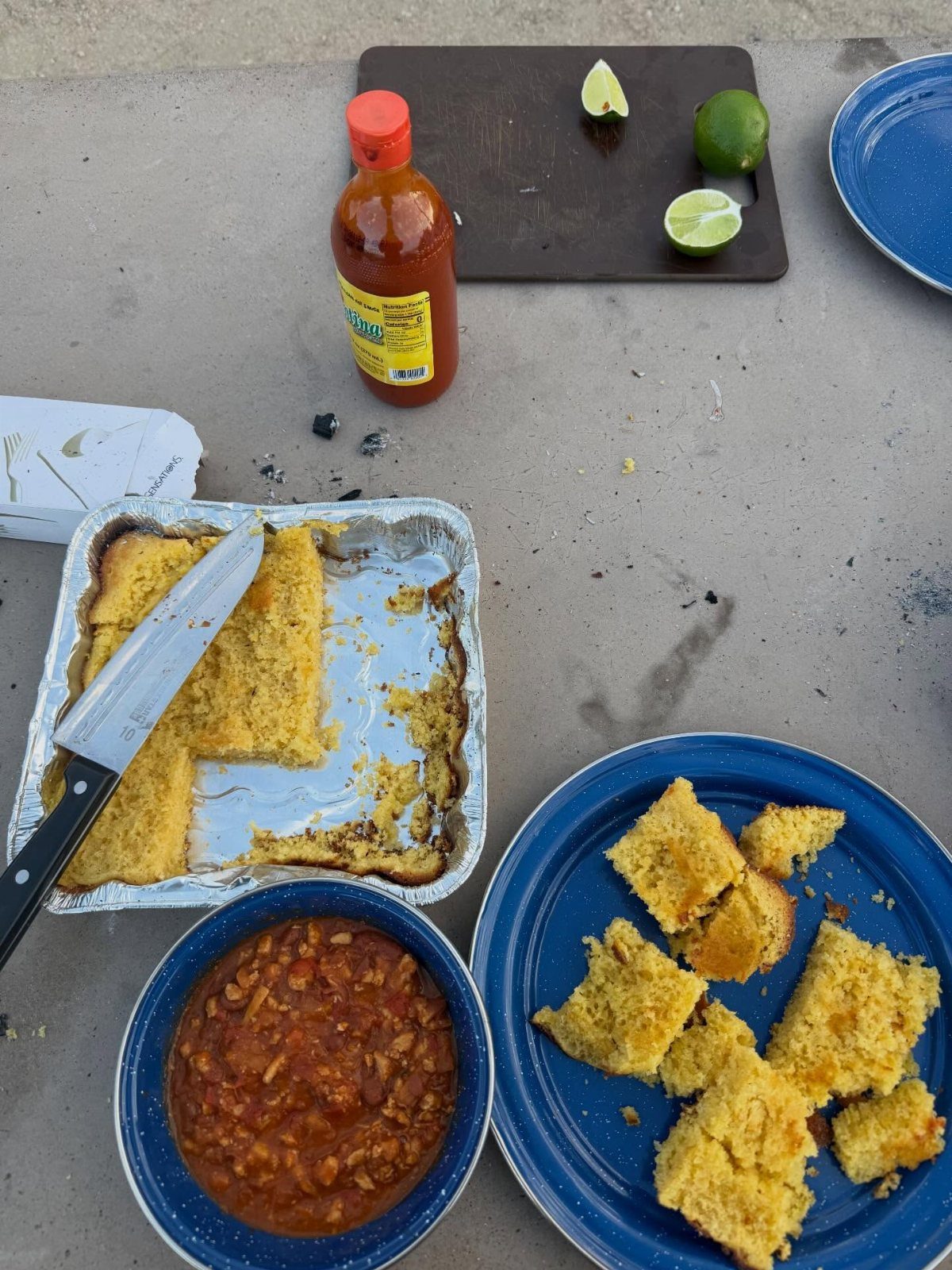
Chili is the dinner I want after a long day outside, and a Dutch oven holds it at a steady simmer while you set up camp.
Cook the base at home if you like, then reheat it over the fire. A lid keeps the heat in and the ash out.
4. Campfire Nachos
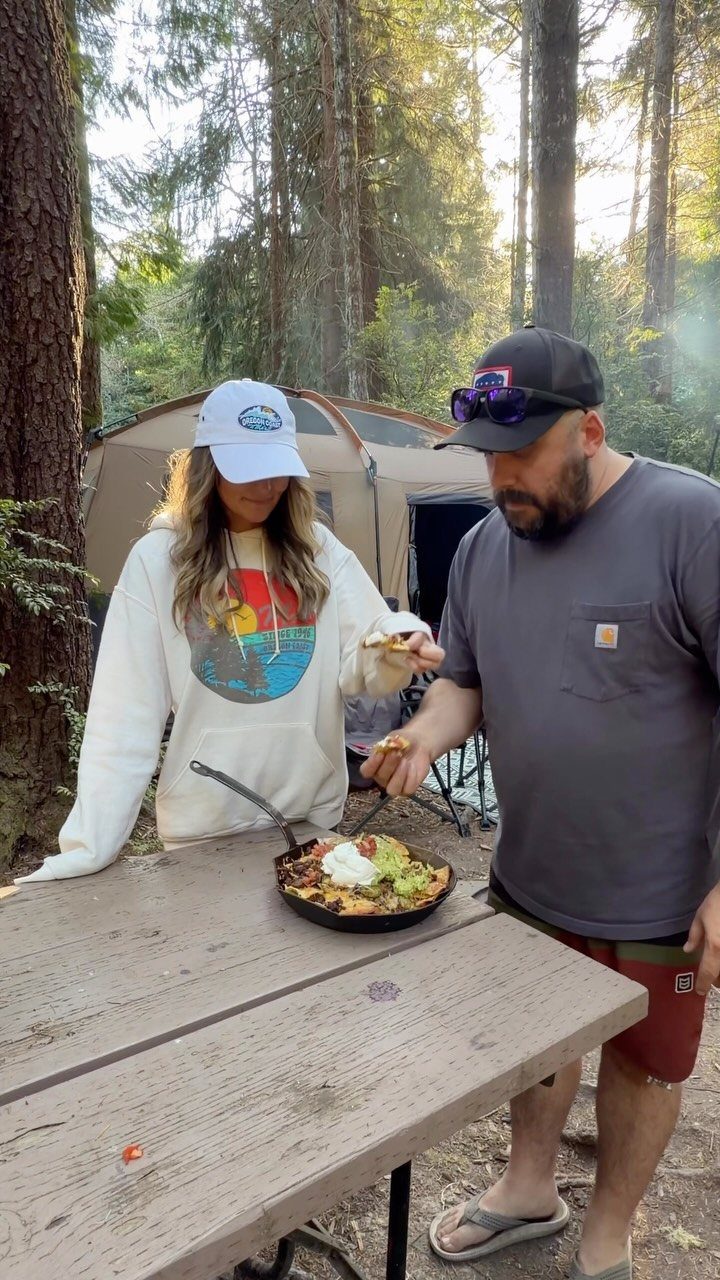
Tortilla chips and toppings are all this dinner needs, which makes it the most forgiving meal on the list.
Cast iron works best here: layer the chips in the skillet, add the toppings on top, and set it over the coals until the cheese melts and everything is hot through.
Nobody needs a plate.
Set the skillet in the middle of the picnic table and let everyone dig in. Add toppings in layers so the chips at the bottom get some too.
5. Campfire Cinnamon Rolls
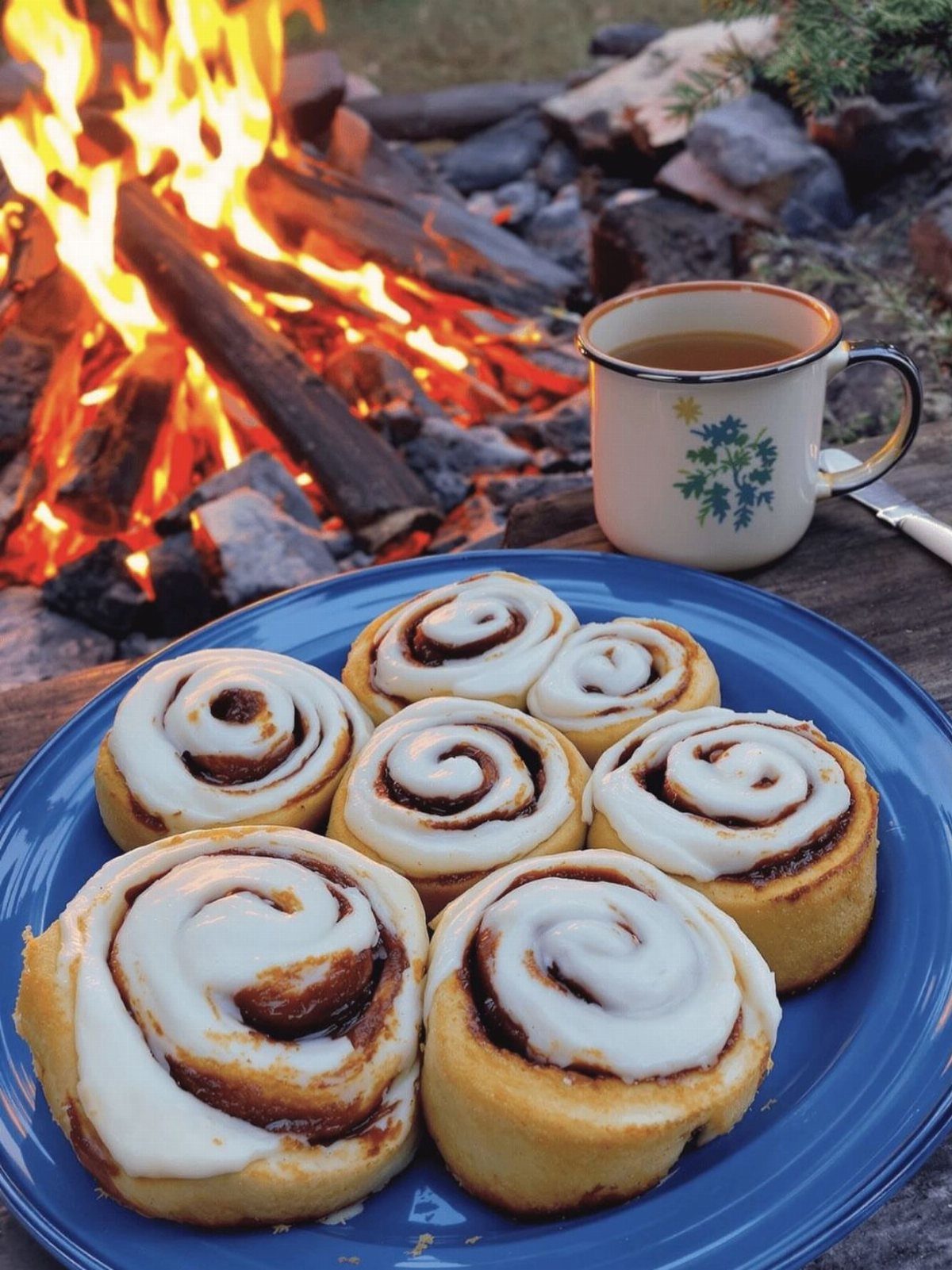
Sweet rolls over a fire work best as the dinner’s second act, or as a dessert-for-dinner night when nobody wants to cook. Frosted rolls with a mug of tea beside the fire make a cozy finish to the day.
Keep the dough cold in the cooler until you are ready, and bake them gently rather than over roaring flames. Add the glaze only after they come off the heat.
6. Mac and Cheese
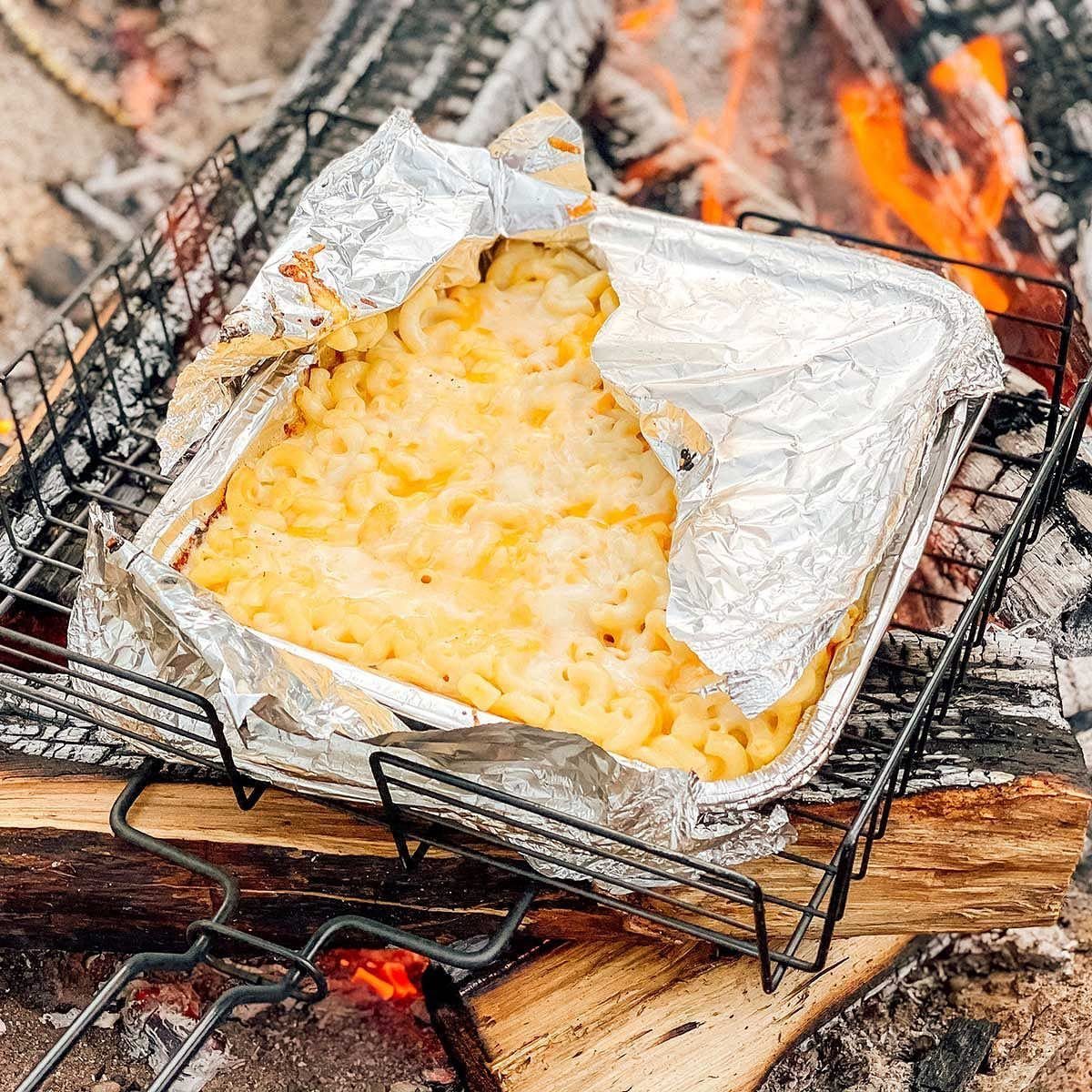
A foil pan set on the grill grate is all the cookware mac and cheese needs, and it turns a pantry staple into real comfort food at camp.
Keep the pan a little above the flames, not in them, so the bottom doesn’t scorch.
Stir often.
I like to add cooked sausage or a handful of extra cheese on top at the end, but plain is fine. Cleanup is just the pan itself.
7. Dutch Oven Pizza
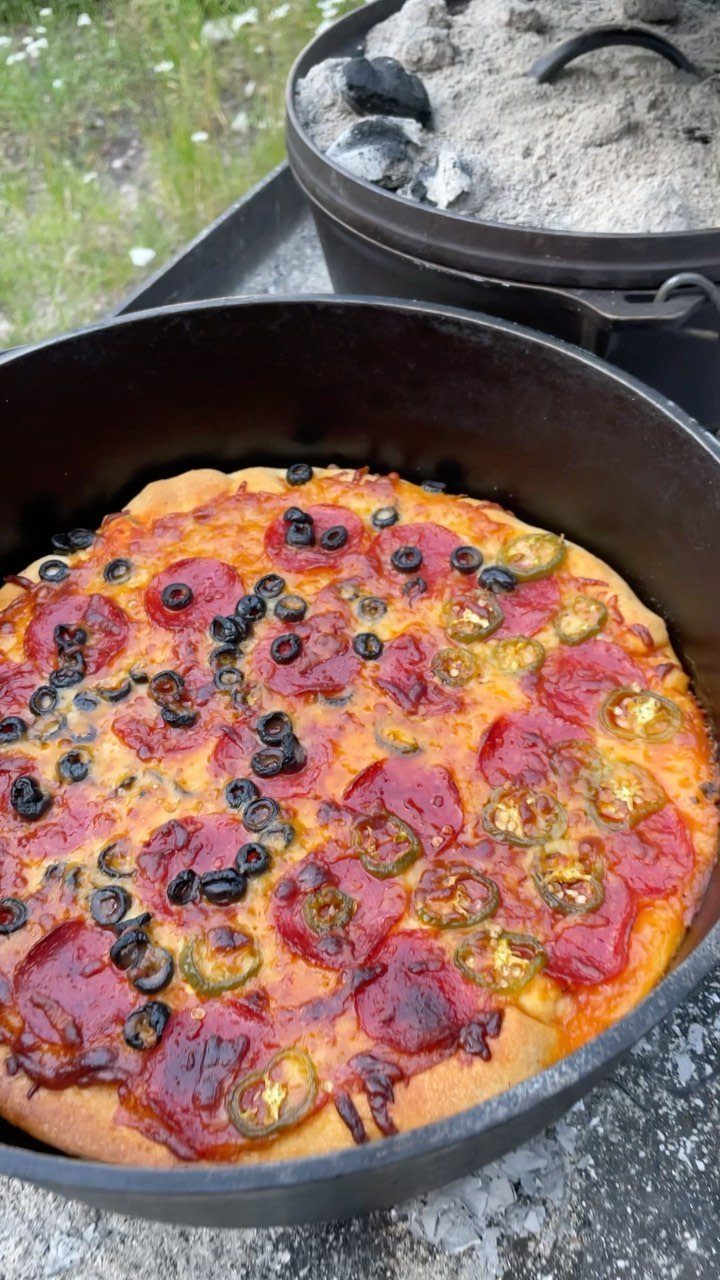
A lidded cast iron Dutch oven traps heat like a small oven, so a pizza topped with pepperoni, olives and jalapeños bakes through at camp with coals under and on top of the pot.
Press the dough into the bottom and add toppings. Then put the lid on so the cheese melts under trapped heat.
Heat from below and above is what you want, so keep the pot over coals rather than open flame. Store-bought dough saves a step.
8. Pita Pizzas
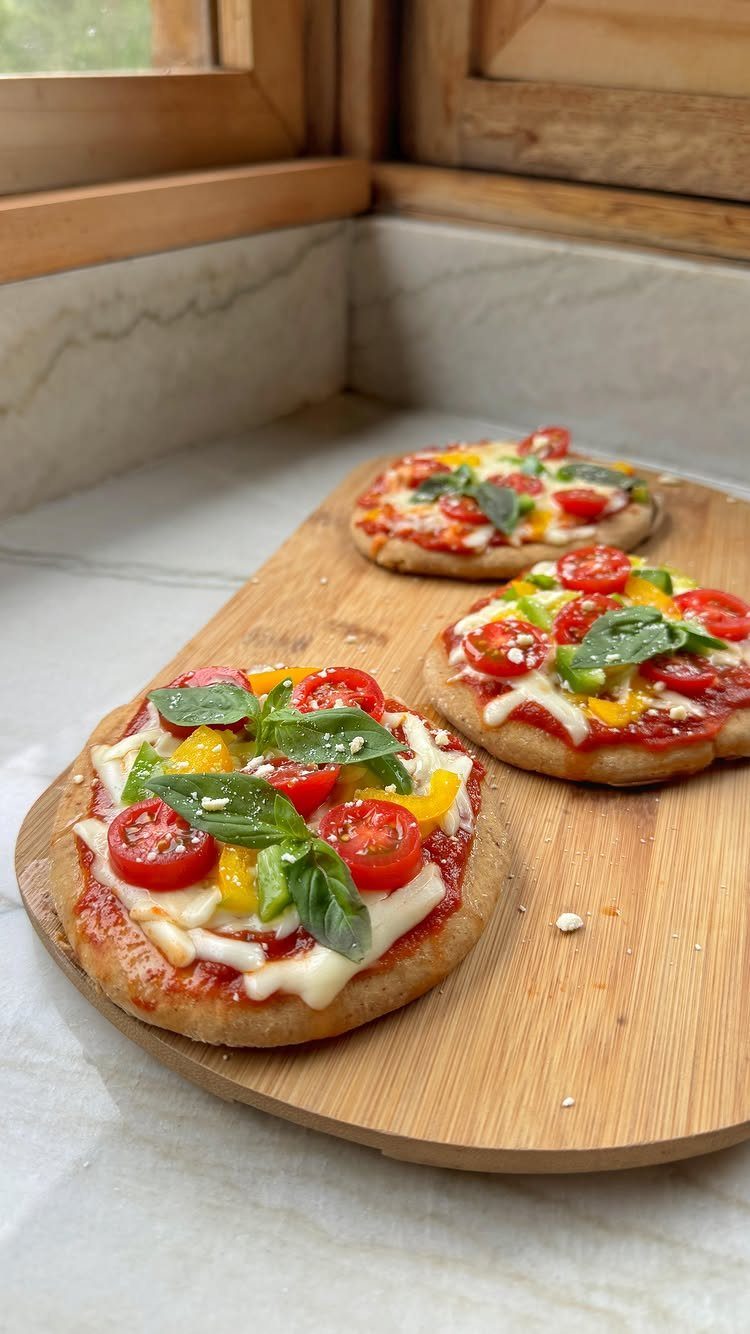
Pita bread is a ready-made crust, and that makes personal pizzas the fastest dinner in this section. Everyone builds their own: sauce, cheese, then toppings like cherry tomatoes, sliced peppers and basil.
Set the pitas straight on the grill grate over the fire and pull them off once the cheese has melted into a smooth layer. I would add the basil after, so it stays green.
Pack a few extra pitas, since one rarely satisfies a hungry camper.
9. Campfire Quesadillas
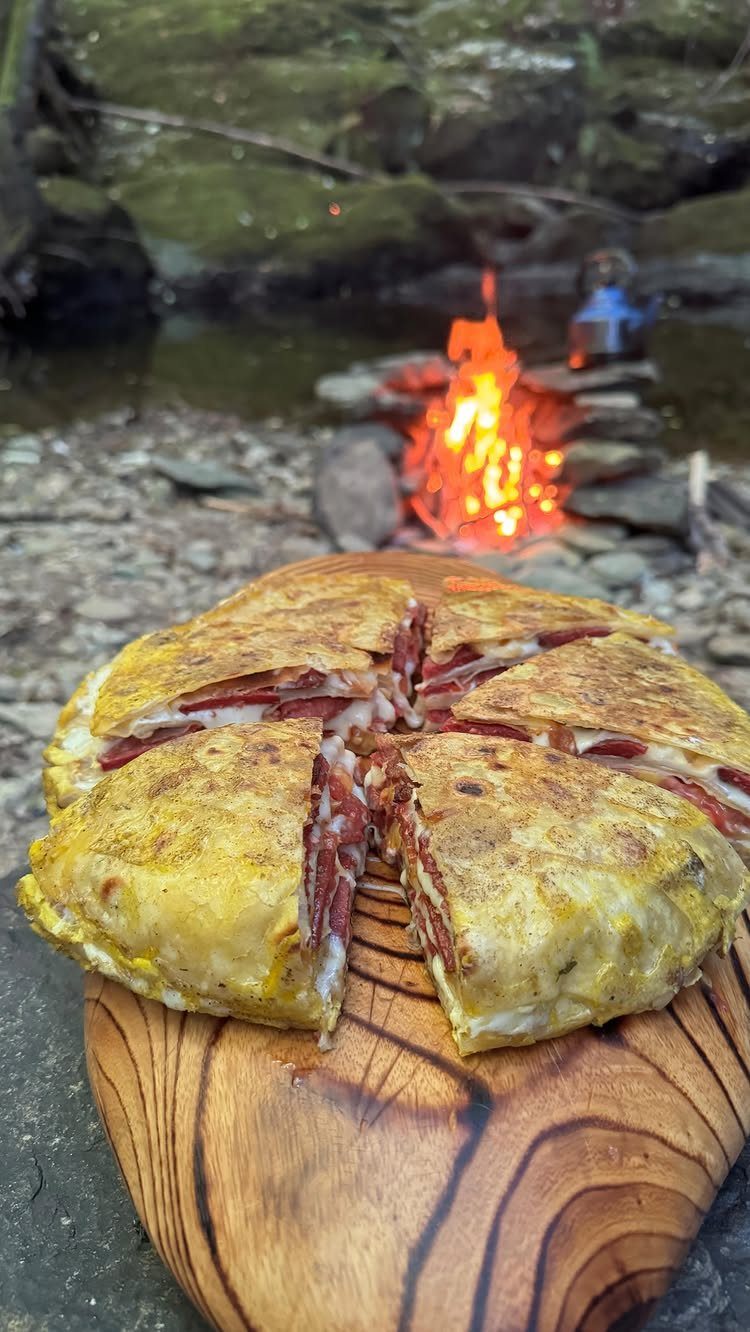
2 tortillas and a handful of cheese make a quesadilla, and meat turns it into a full dinner.
Fill one tortilla with cheese and whatever else you packed, fold it in half, and toast it in a skillet over the fire until both sides are golden.
Slice it into wedges on a board. A hot grate works too, but a skillet keeps melted cheese from dripping into the flames.
Precooked meat from home keeps this quick.
10. Walking Tacos
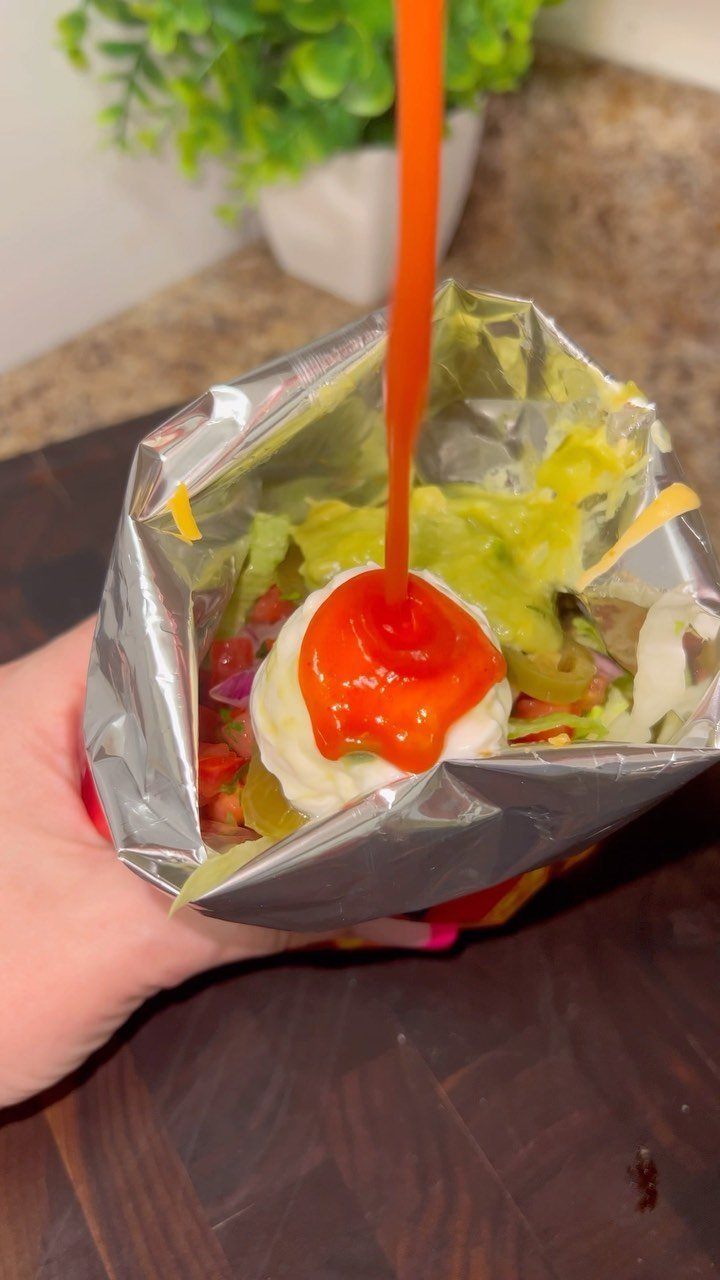
A single-serve bag of corn chips doubles as the bowl: crack it open, spoon in the taco meat, then add guacamole, sour cream and sauce on top. Skip the plate and dig in with a fork, straight from the bag.
This is the lowest-cleanup taco I know. Only the meat needs heat, so warm it in one pot and set the toppings out cold from the cooler.
Cut the bag open along its side for easier scooping.
11. Burgers
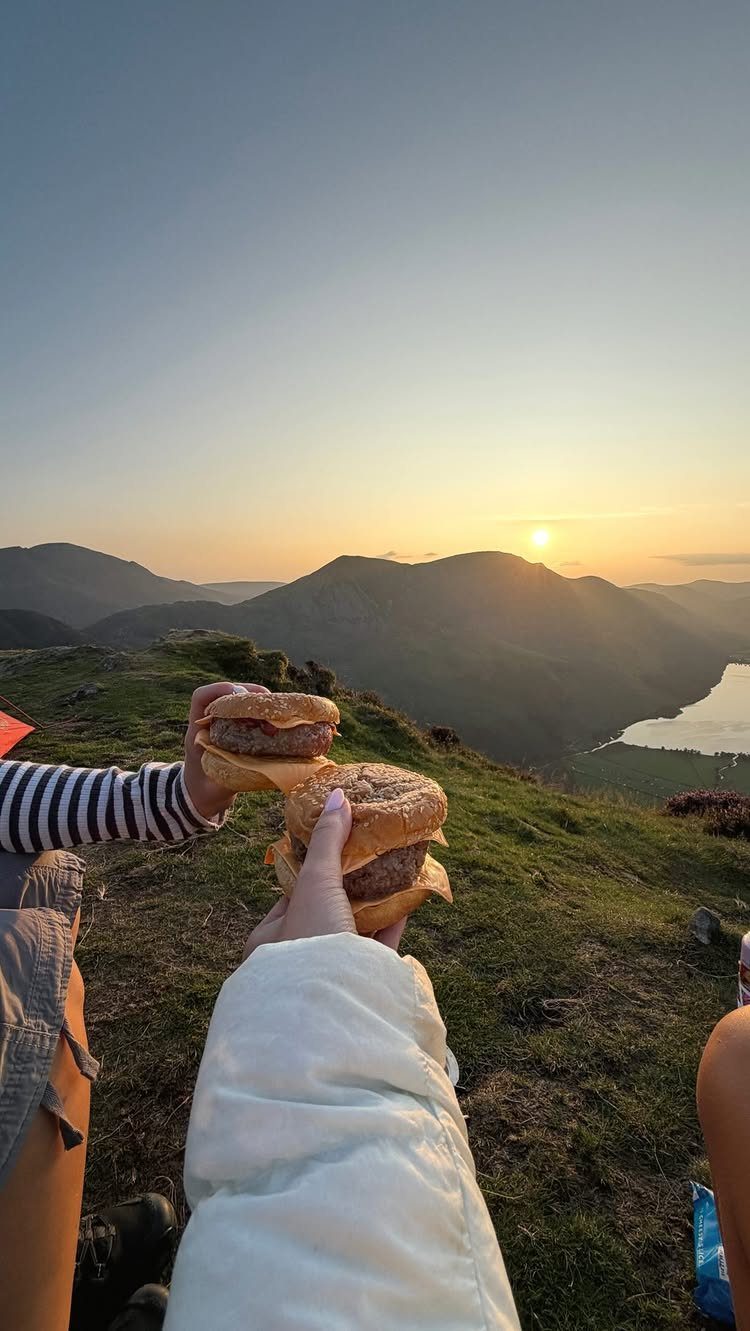
Form the patties at home, freeze them, and pack them in the cooler, where they thaw slowly and help keep everything else cold. Over the campfire, cook the patties on the grate until no pink is left in the center.
Plain burgers win for me because buns and a few toppings are all you carry. Put wax paper between frozen patties so they separate easily.
Always cook ground meat all the way through.
12. Soup
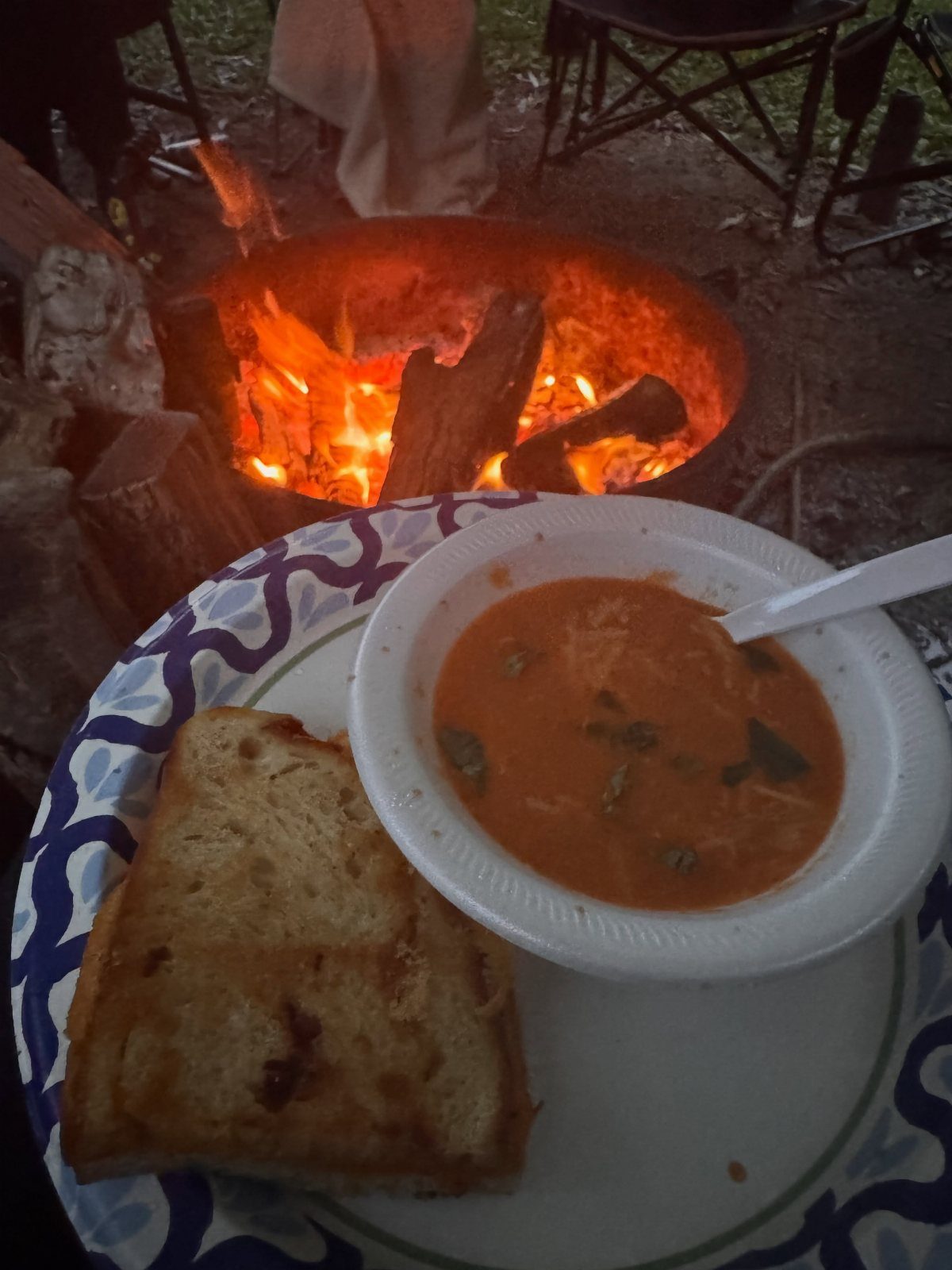
Soup is quick at camp: heat it in one pot and ladle it into bowls. Packaged or homemade from home both work, and you can switch flavors night to night.
Toast bread slices by the fire for dunking; that does more for a bowl of soup than any topping I can think of. A plastic spoon is fine.
Keep the pot lidded so it heats faster and stays free of ash.
13. Grilled Corn on the Cob
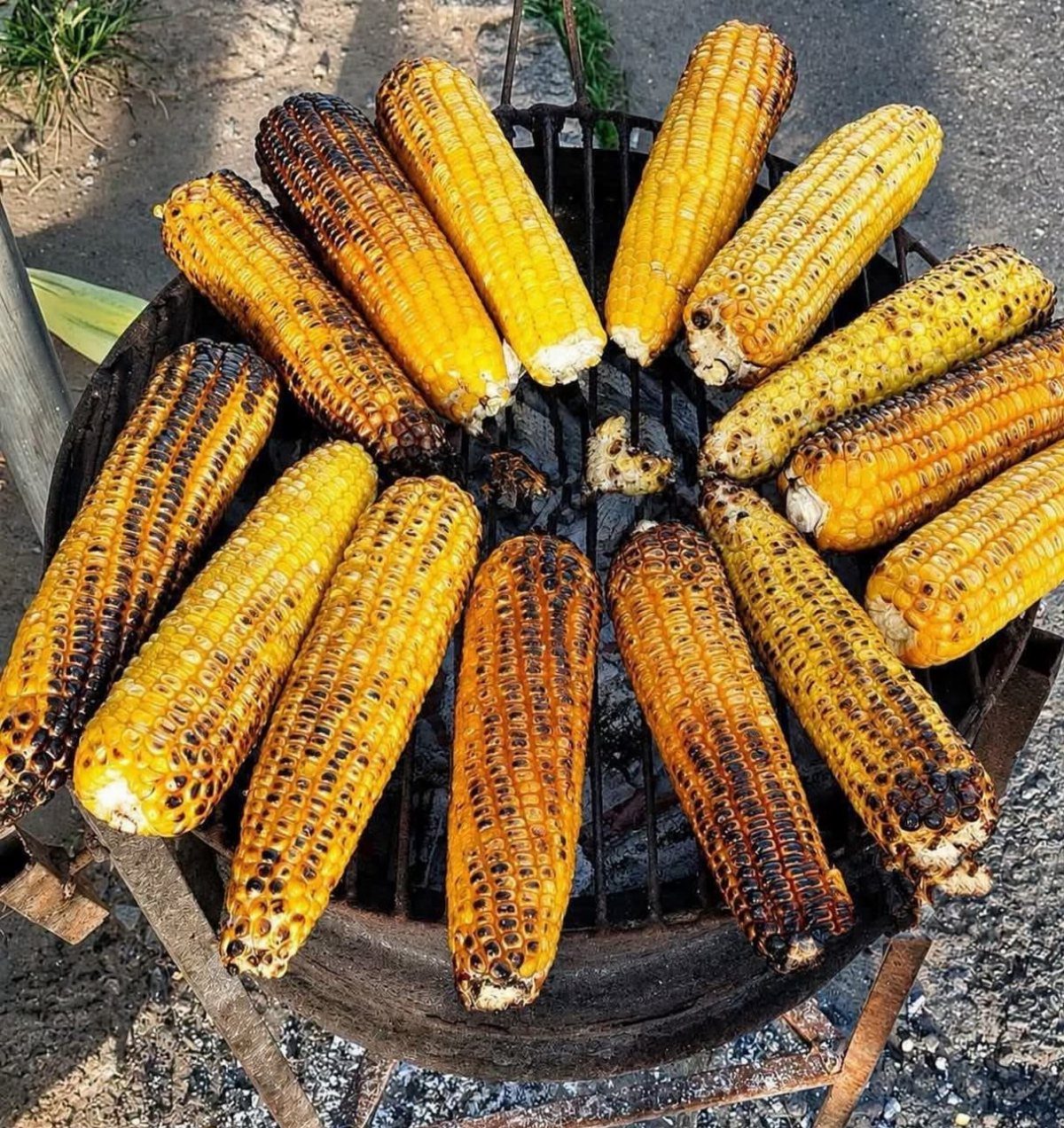
Sweet corn picks up char fast over charcoal, and those browned spots are where the flavor is. Set the ears right on the grate and turn them every few minutes so the color spreads evenly.
It’s the easiest side on the list, and it shares a grill with burgers or sausages without any extra gear.
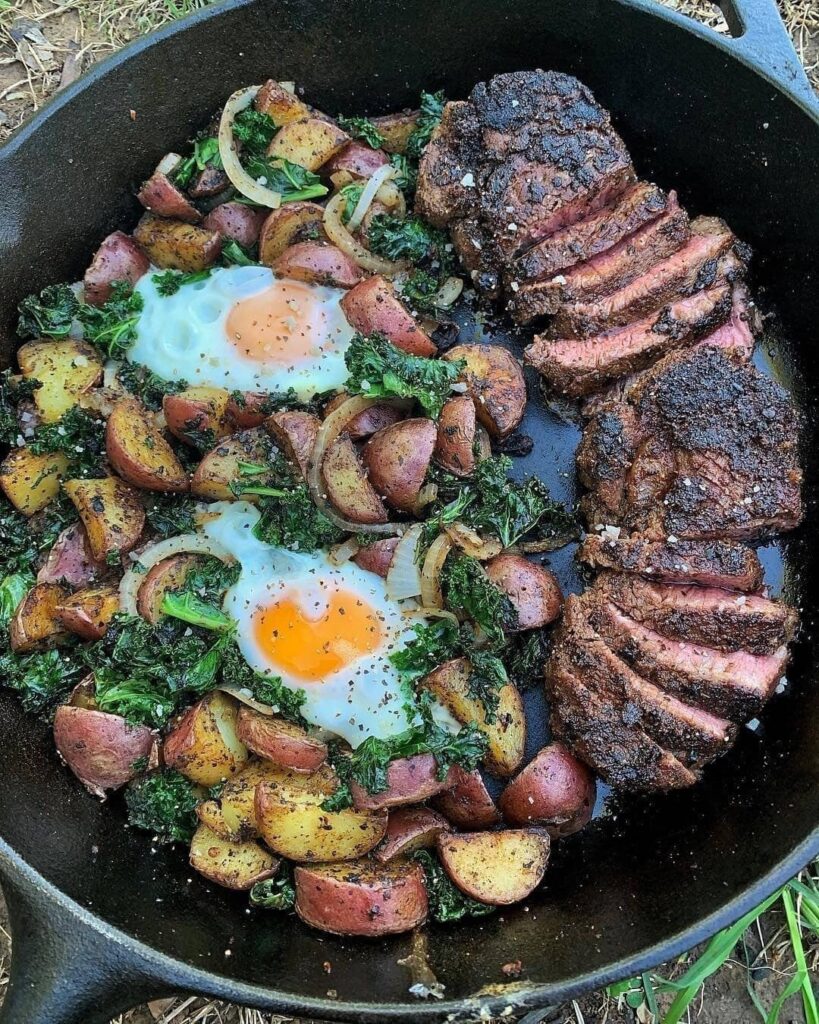
14. Sausage and Potato Skillet
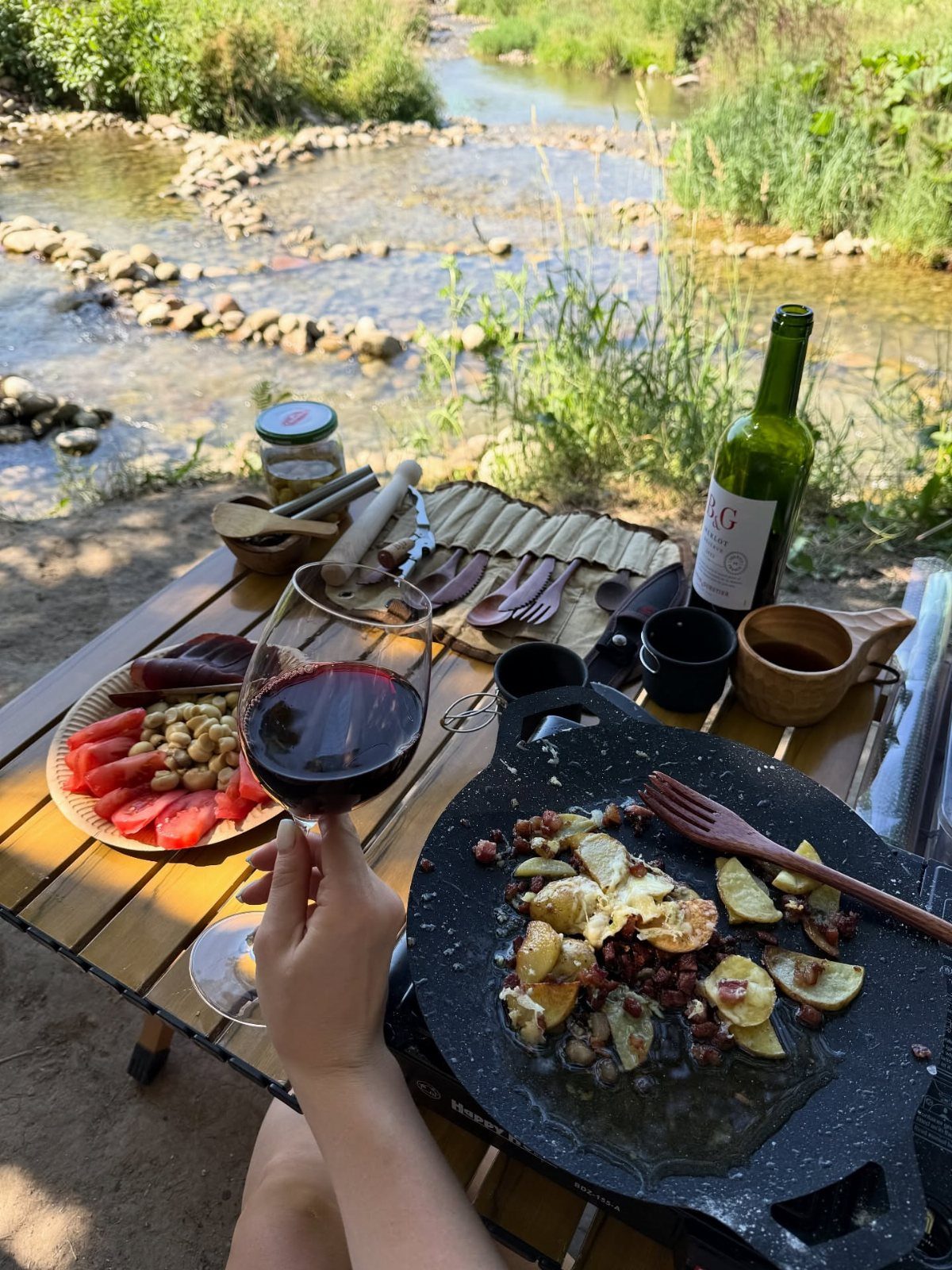
Browned sausage and potatoes in one skillet make the kind of dinner that holds up after a day of hiking.
Cut the potatoes small so they cook through, and let them sit undisturbed for a few minutes so they crisp on the bottom.
Everything cooks in a single pan, so there’s one thing to wash.
A medium red such as a Zinfandel or Côtes du Rhône holds up to the smoked sausage and crisp potatoes, and a camp cup works fine if you packed no glasses.
15. Campfire Sausages
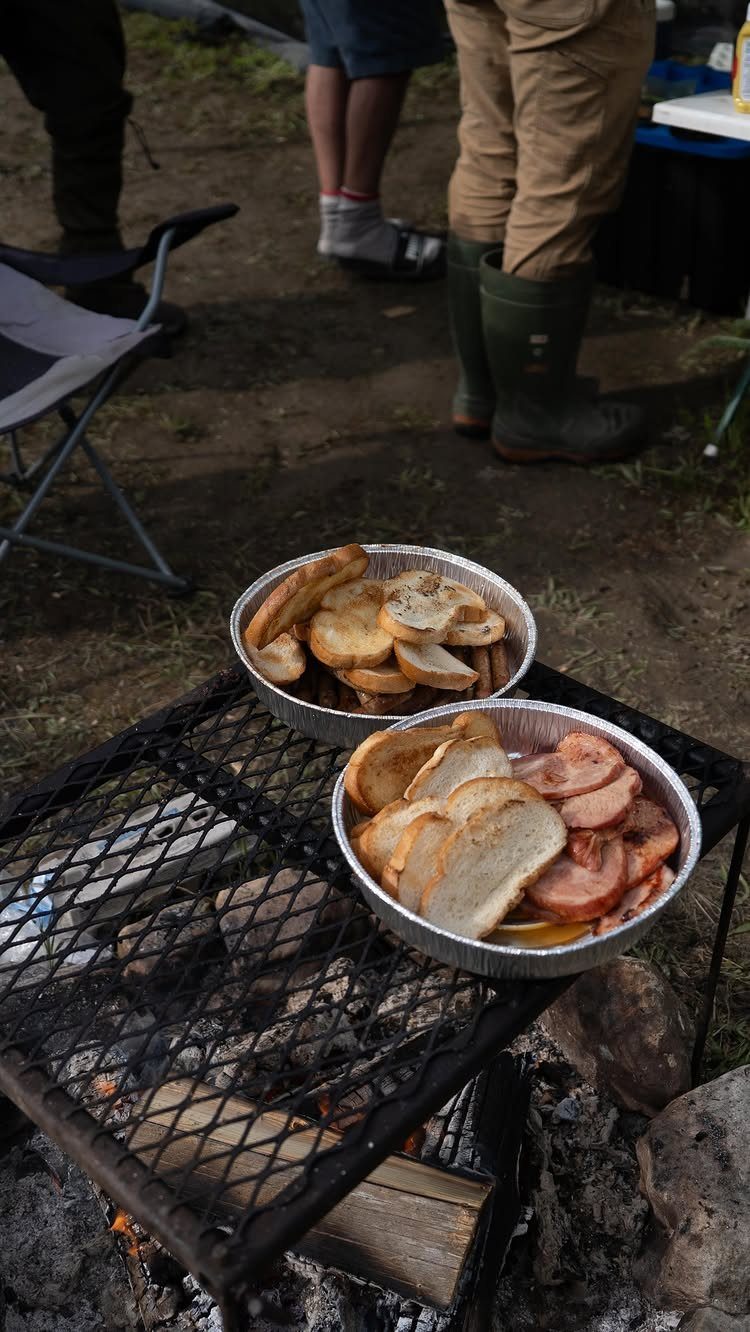
Foil pans are my pick for sausages at camp, since they hold the juices and keep the links off the bare grate.
Set a pan on the grill over the fire, turn the sausages as they brown, and slice them once cooked.
Toast a baguette in a second pan and you have a full dinner with almost no work. Slicing the sausages before serving lets everyone grab a bite with bread.
16. Sausage and Peppers
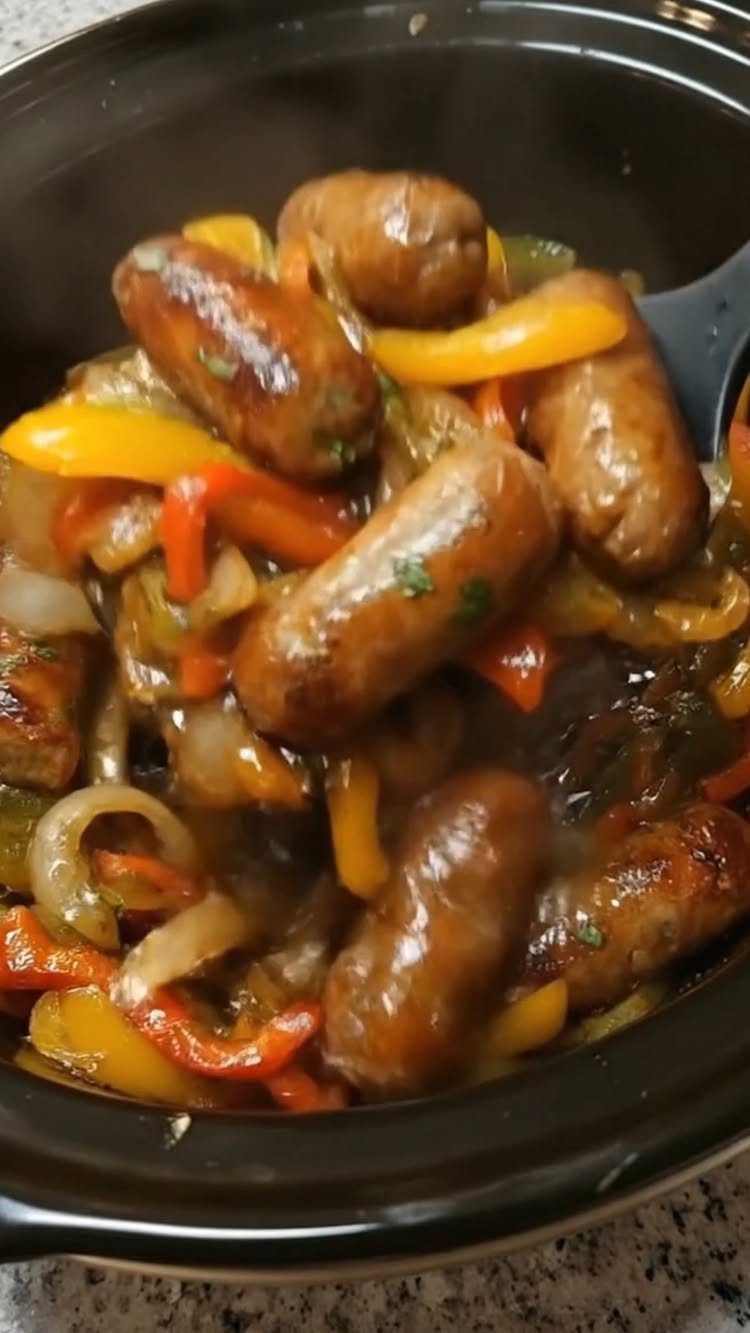
Sausage and peppers is a slow cooker dinner at heart, so it suits a campsite with power or a plan to cook before you leave.
The maker’s recipe calls for 6 to 7 hours on low, or 3 to 4 hours on high, until the sausage is cooked through and the peppers are tender.
Load the cooker in the morning and dinner is ready when you’re back from the trail. Leftovers keep in the fridge for up to 4 days, which makes this a good second-night meal too.
17. Vegetable Stir Fry
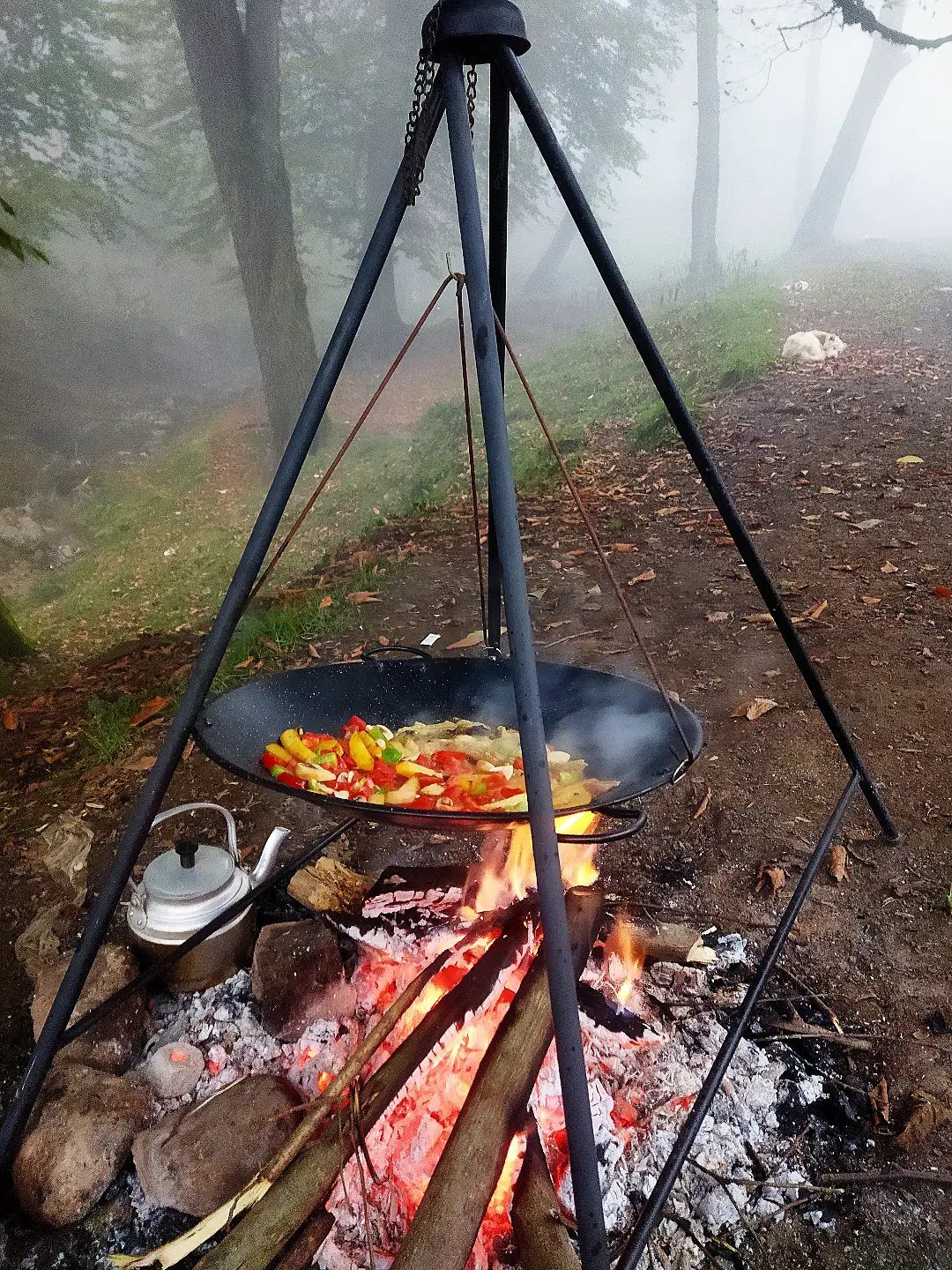
A wok over an open fire does a stir fry well, because the heat is high and the vegetables cook in minutes. A tripod stand lets you raise or lower the pan to control it.
Slice everything thin at home and bag it in the cooler so camp cooking is just tossing and stirring. Keep the vegetables moving, and pull the pan off once they’re crisp-tender.
18. Chili Cheese Dogs
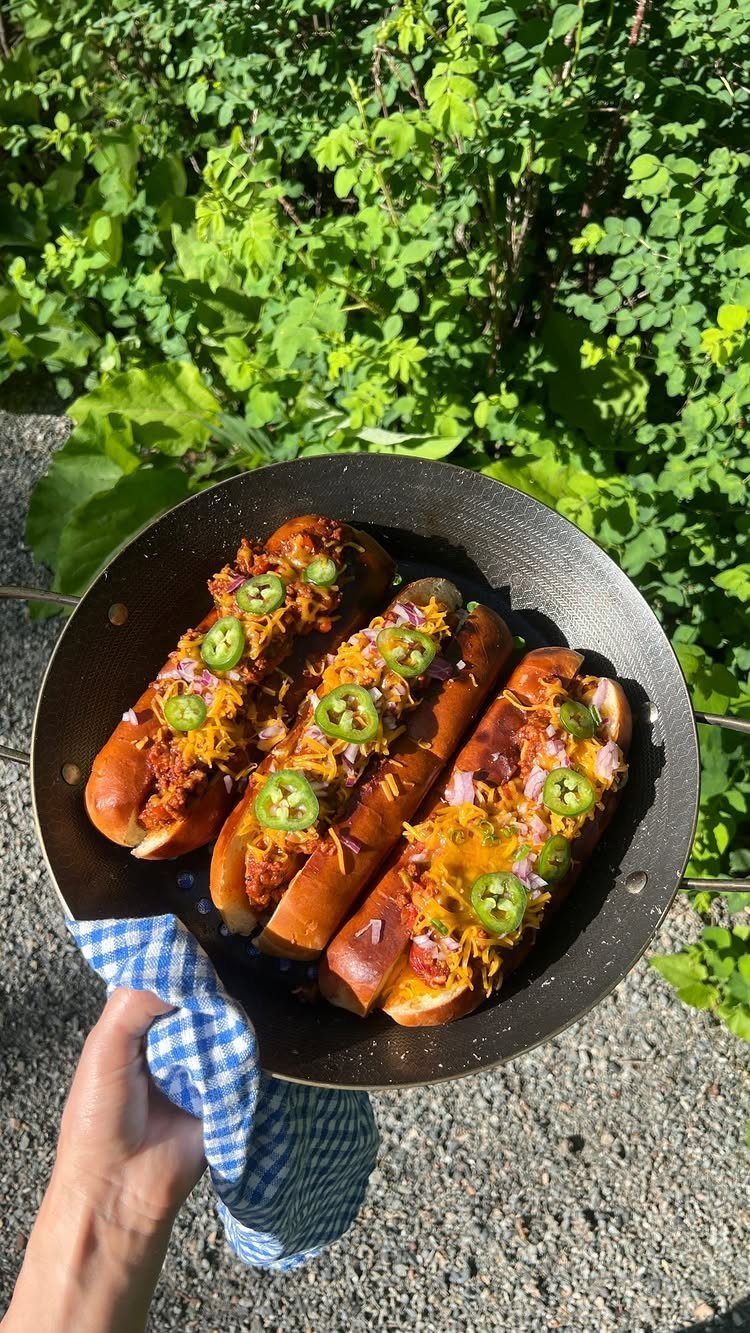
Chili cheese dogs come together in a cast-iron skillet: nestle the hot dogs in buns, spoon chili over them, add cheese, and set the pan over the coals until the cheese melts. Jalapeño slices go on last.
Eat them with a fork, since they are messy.
19. Campfire Tacos
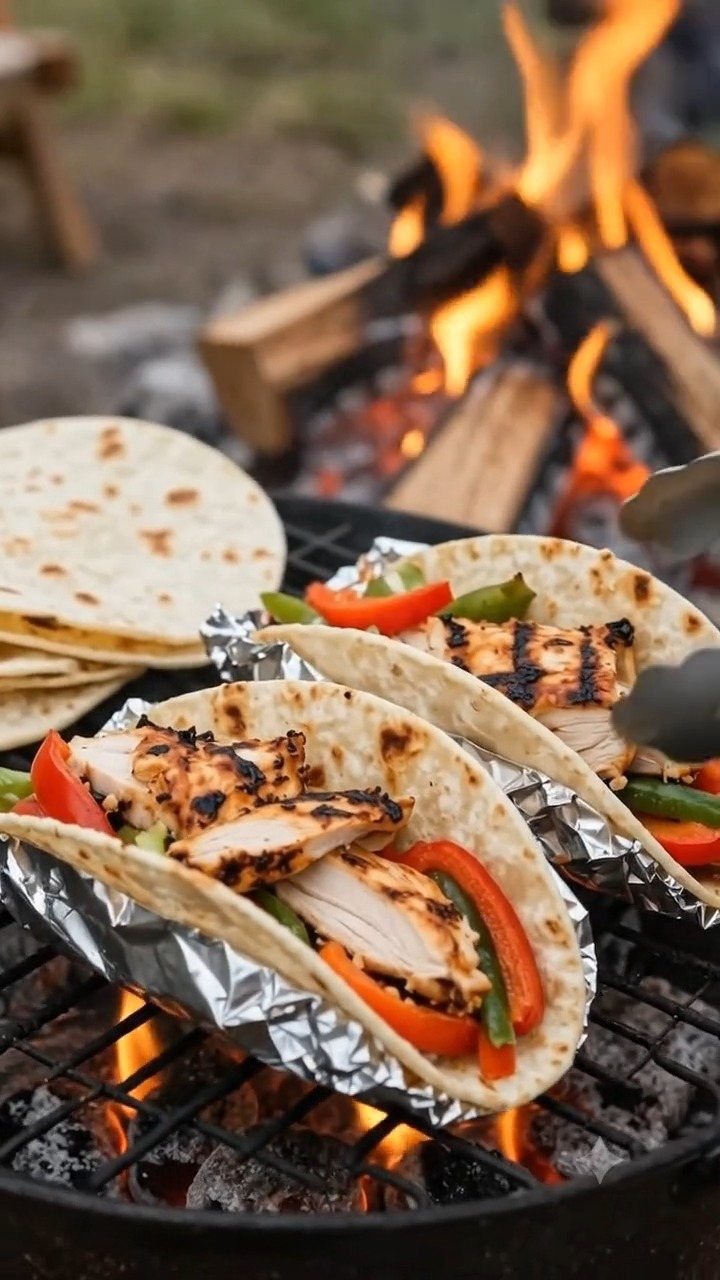
Grilled chicken and peppers give campfire tacos their smoky edge, and the foil sheet under the tortillas keeps them from sticking to the grate. Cook the filling over the fire, then pile it into tortillas with whatever toppings you packed.
Slice the chicken and peppers thin so they cook fast. Warm the tortillas last, wrapped in foil at the edge of the grate, so they stay soft.
20. Grilled Steak and Veggies
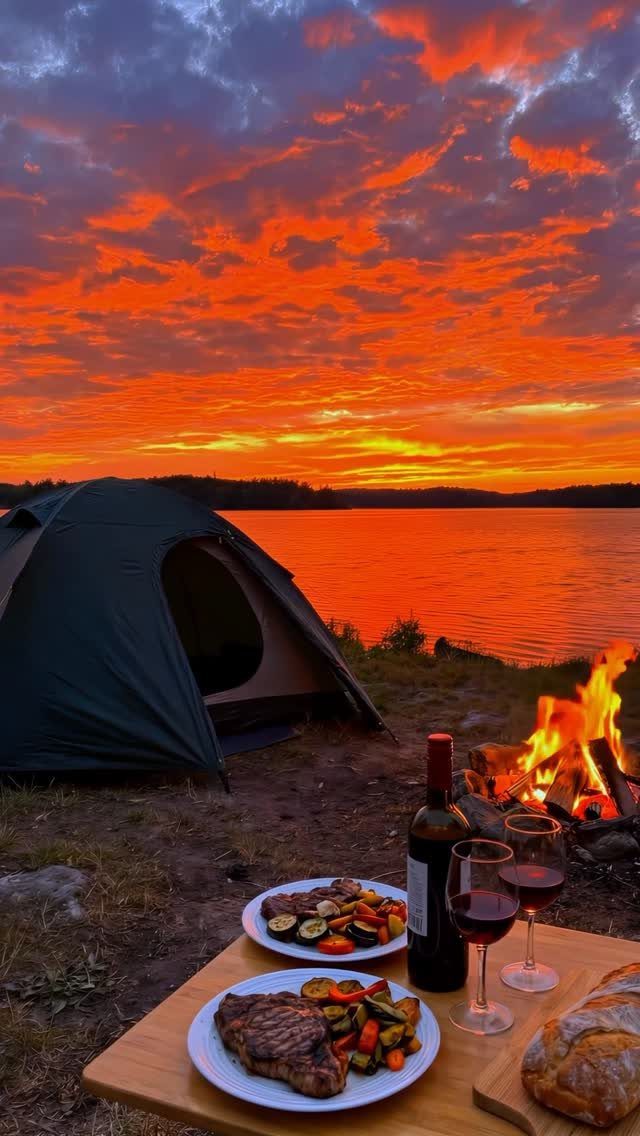
Thick steak with grilled potatoes, corn and peppers is the dinner I plan for the one night of a trip that deserves a real table.
Everything cooks on the same grate, so start the potatoes first, since they take longest, and add the corn and peppers after.
Pull the steak when it looks right to you and let it rest a few minutes before cutting. Serve it with a sliced baguette and skip the rest.
21. Surf and Turf Skillet
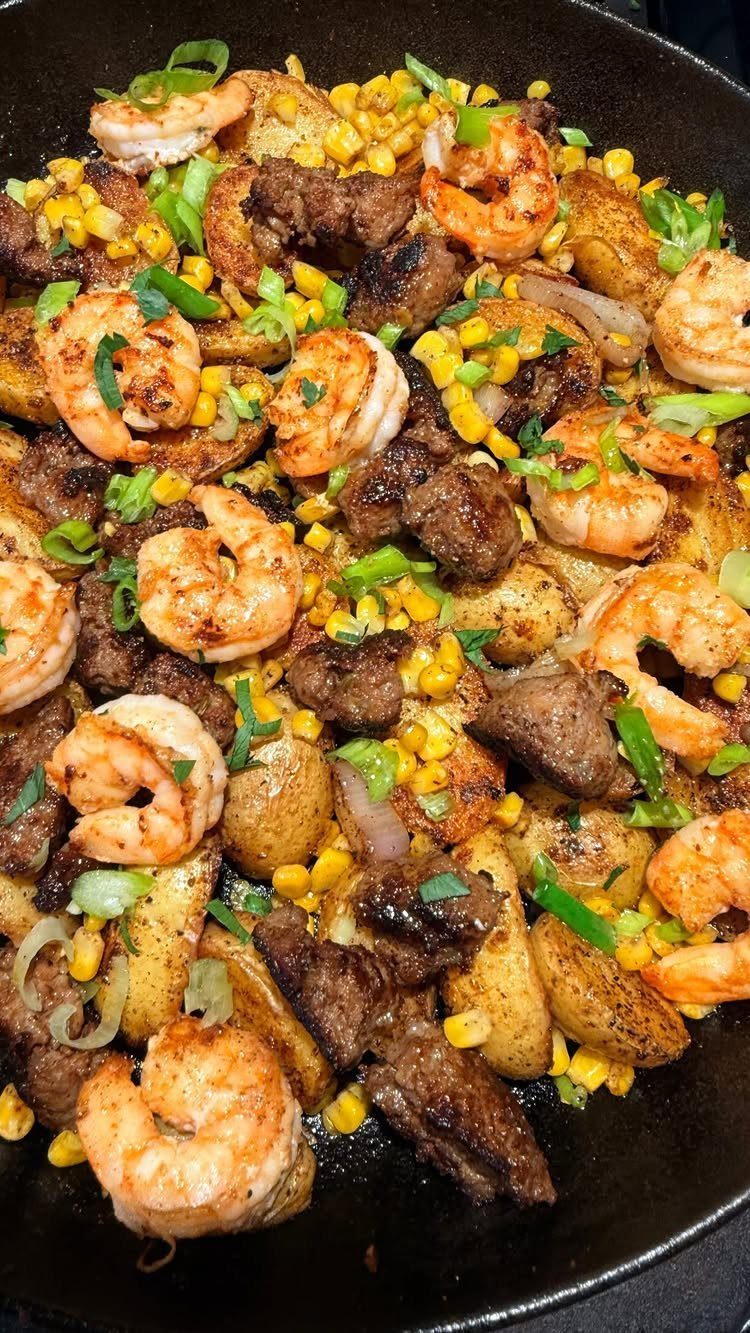
Cast iron gives shrimp and beef chunks a hard sear that foil never will, and the potatoes make this a full dinner in one pan.
The maker of this skillet boils the potatoes in salted water for 8–10 minutes until just fork-tender, then adds 2 tablespoons of butter to the pan and sets them cut-side down for 5–7 minutes without moving them.
Par-boiling at camp costs you a second pot, so do it at home if you can. Add the beef, then the shrimp, then corn, and finish with green onions.
22. Campfire Fondue and Baguette
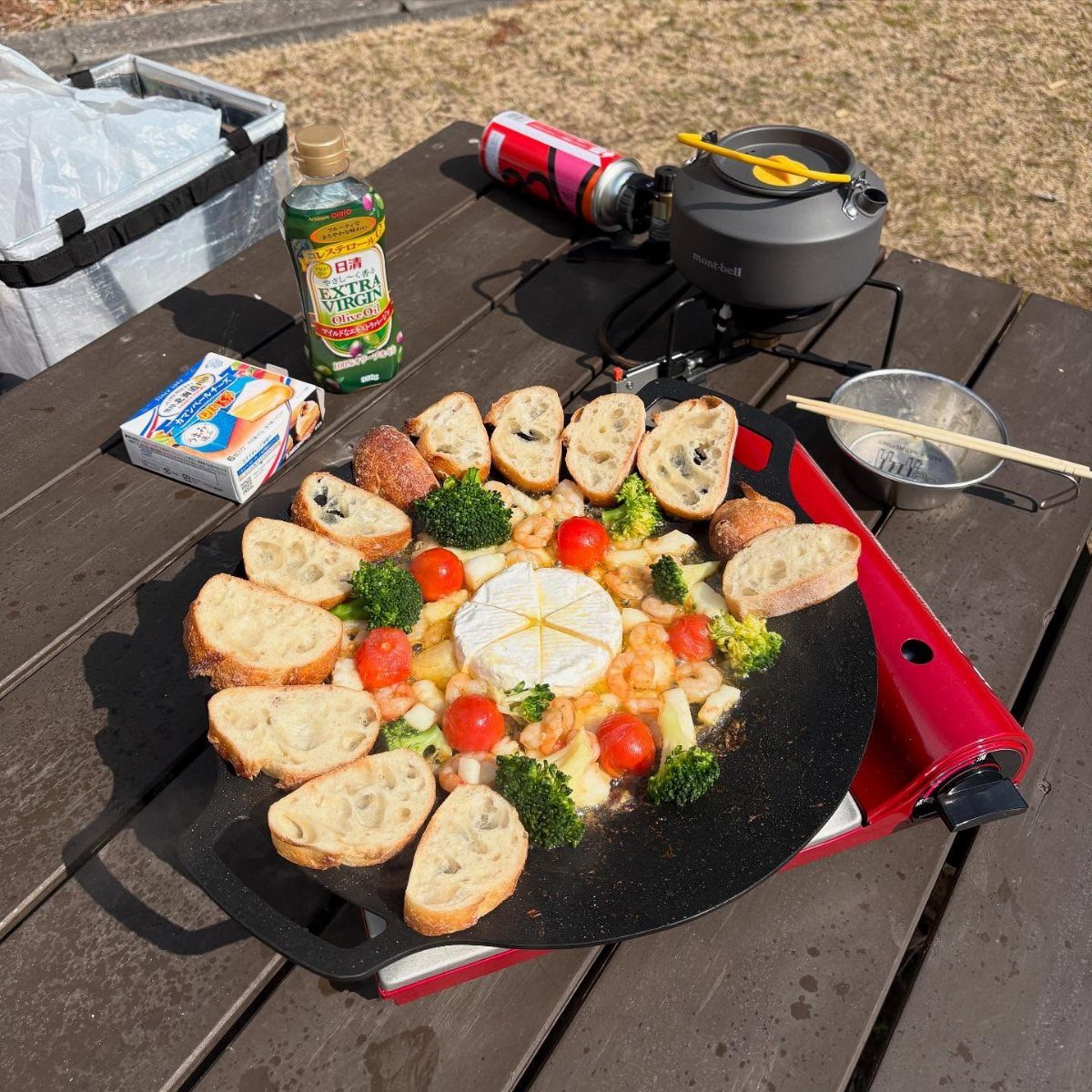
Melted brie in a skillet is the closest thing to fondue that a camp griddle can manage, and it needs no special pot.
Set the cheese in the middle and toast the baguette slices around it in butter or olive oil.
Shrimp and vegetables cook on the same surface, so dinner is dipping and grazing.
Cut the baguette thick enough to hold the cheese without bending. I would pack extra bread, since it vanishes first.
23. Pre-Made Sub Sandwiches
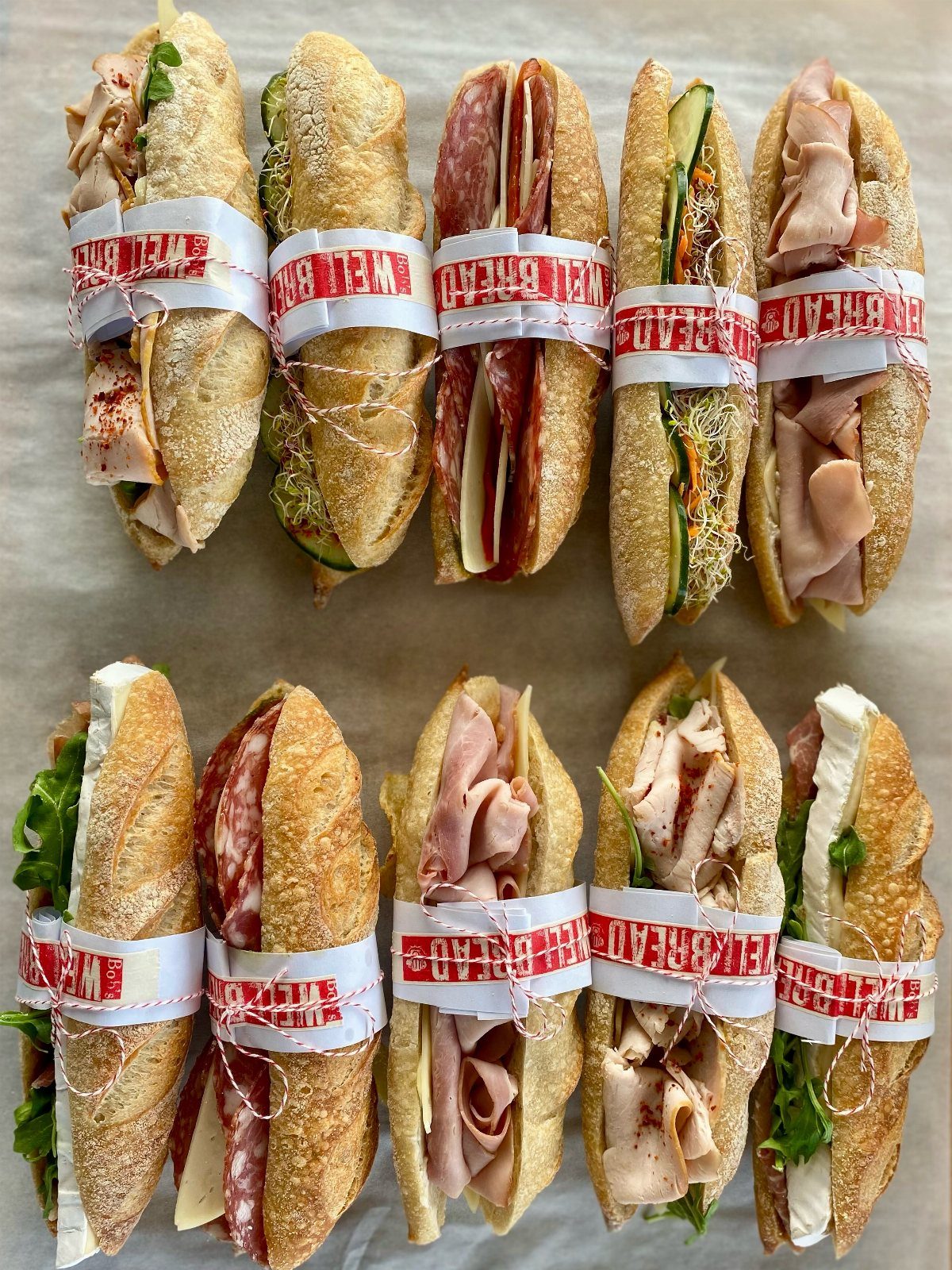
Baguette sandwiches wrapped in paper bands travel well and hold without getting soggy. Build them at home, wrap each tightly, and stack them in the cooler.
Because they are made ahead, they suit a late arrival, a rainy night or a hike that runs long.
I would keep wet fillings like tomato in separate bags until the last minute so the bread stays crisp. Paper wrapping also means almost nothing to clean up.
24. Tuna Salad
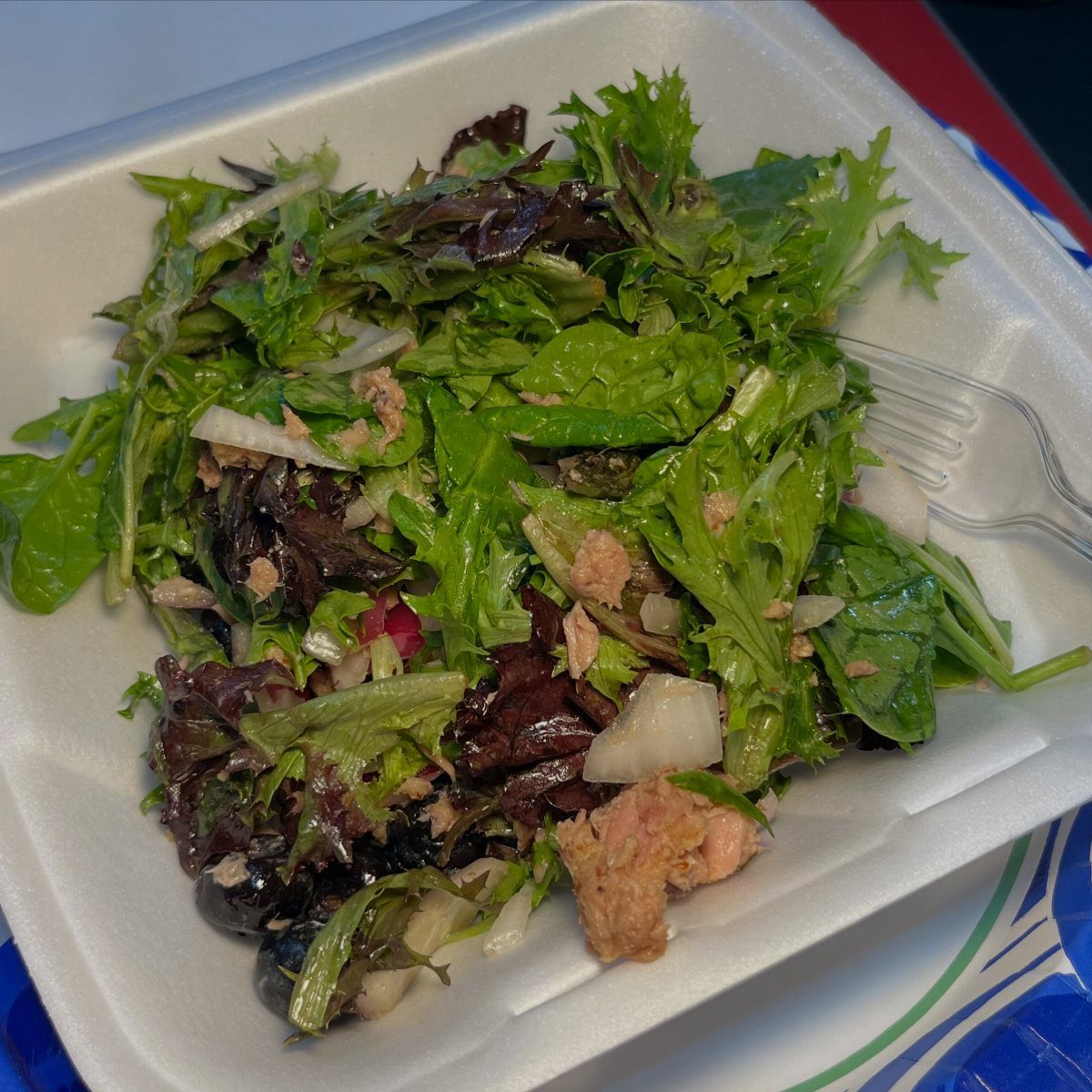
Canned tuna on mixed greens with onions and blueberries is dinner with no cooking, which makes it a good pick for a hot night or a camp without a fire. The blueberries add a sweet note that mayo-heavy versions lack.
Pack the greens dry and dress the salad right before eating so it doesn’t wilt. Pack it in a disposable container so you can toss it when you’re done.
25. S’mores
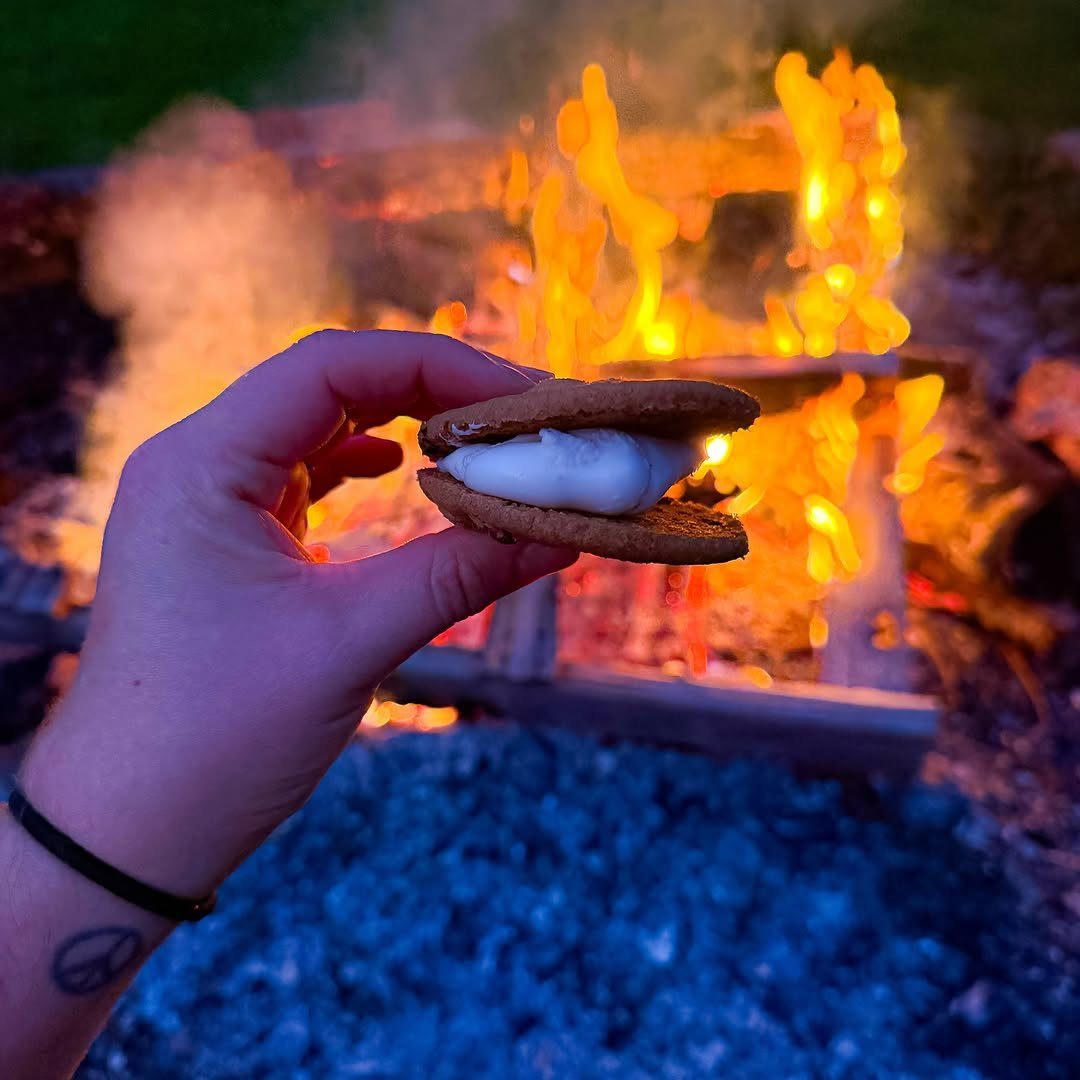
Graham crackers, a square of chocolate and a toasted marshmallow add up to dinner’s dessert, and it takes almost no planning.
Hold the marshmallow near the glowing coals instead of in the flames, and turn it slowly so it browns without catching fire.
I prefer a patient golden marshmallow over a charred one, because it melts the chocolate better. Pack more than you think you need.
26. Bacon and Eggs
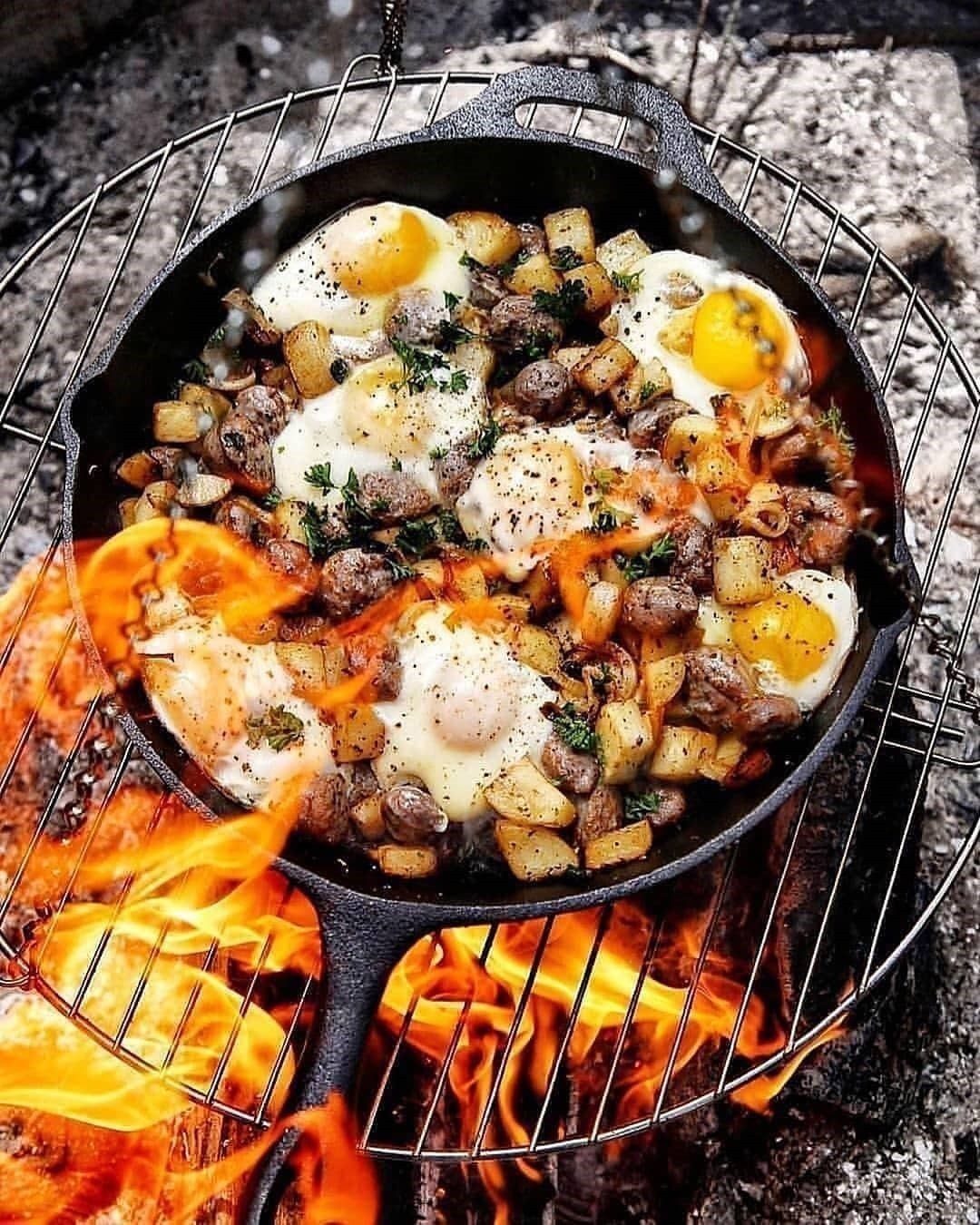
Eggs and potatoes with a little meat in one cast iron skillet is a breakfast that also works as a late dinner after a long drive.
Set the skillet on the grill grate over the fire, not in the flames, so the eggs set without burning on the bottom.
Start the potatoes and meat first and add the eggs last. Bacon grease in the pan means you need no extra oil.
27. Pasta Salad
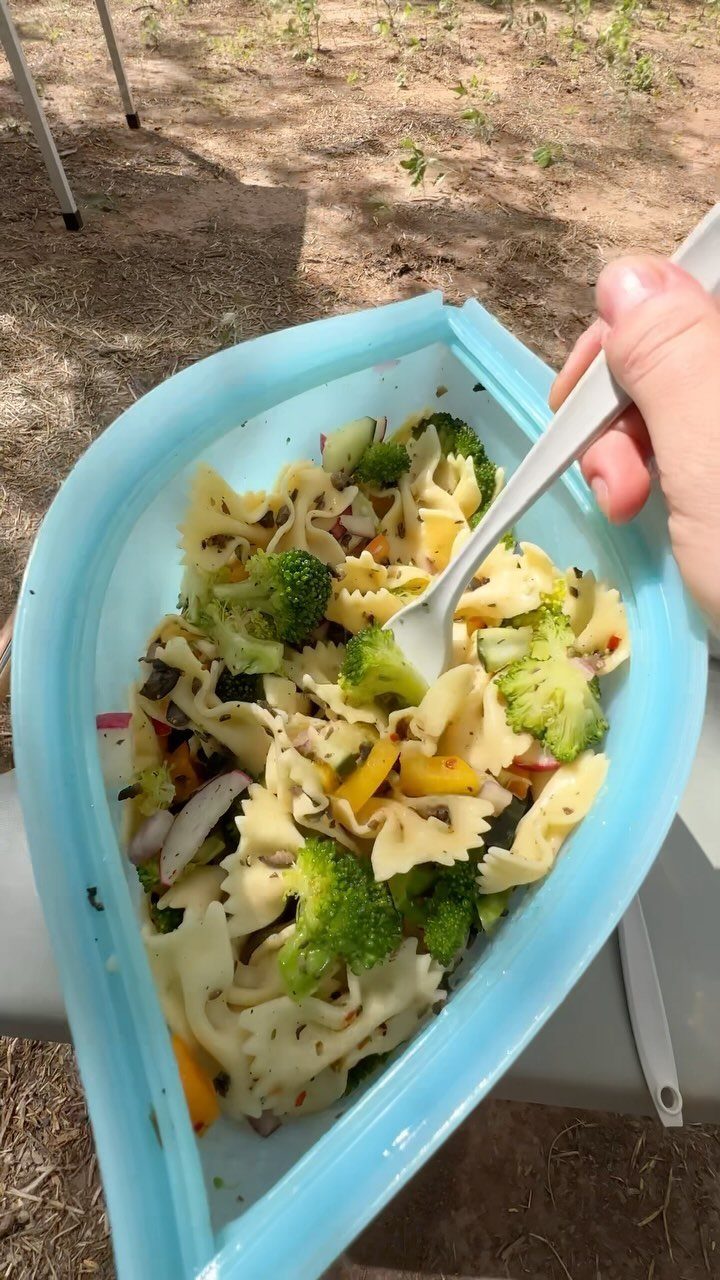
Farfalle tossed with broccoli and peppers keeps well in a lidded container, so this is a dinner you finish at home and simply open at camp. No fire, no pot to wash, and a plastic fork does the job.
Cook the pasta a minute short of soft, since it keeps absorbing dressing in the cooler. Cut the vegetables small enough to fit on a fork with the pasta.
28. One-Pot Pasta
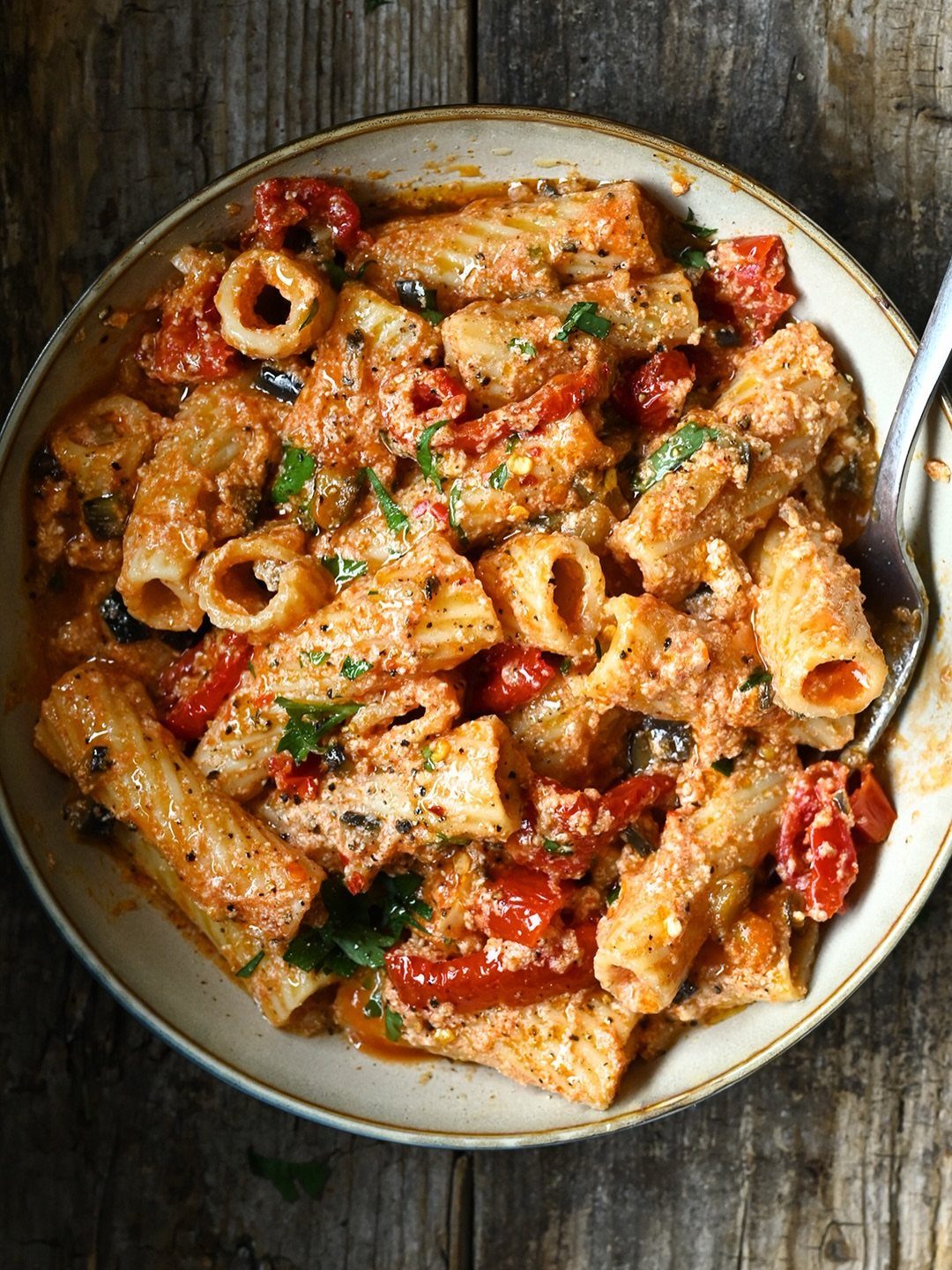
Everything goes into one pot, pasta included, and the pasta’s starch thickens the liquid into a creamy sauce with no draining.
Stir every minute or two so the pasta doesn’t weld itself to the bottom, and hold the heat at medium rather than high.
Tear the herbs in during the last minute or two, since long simmering dulls their flavor. One pot means one thing to scrub.
29. Grilled Cheese Sandwiches
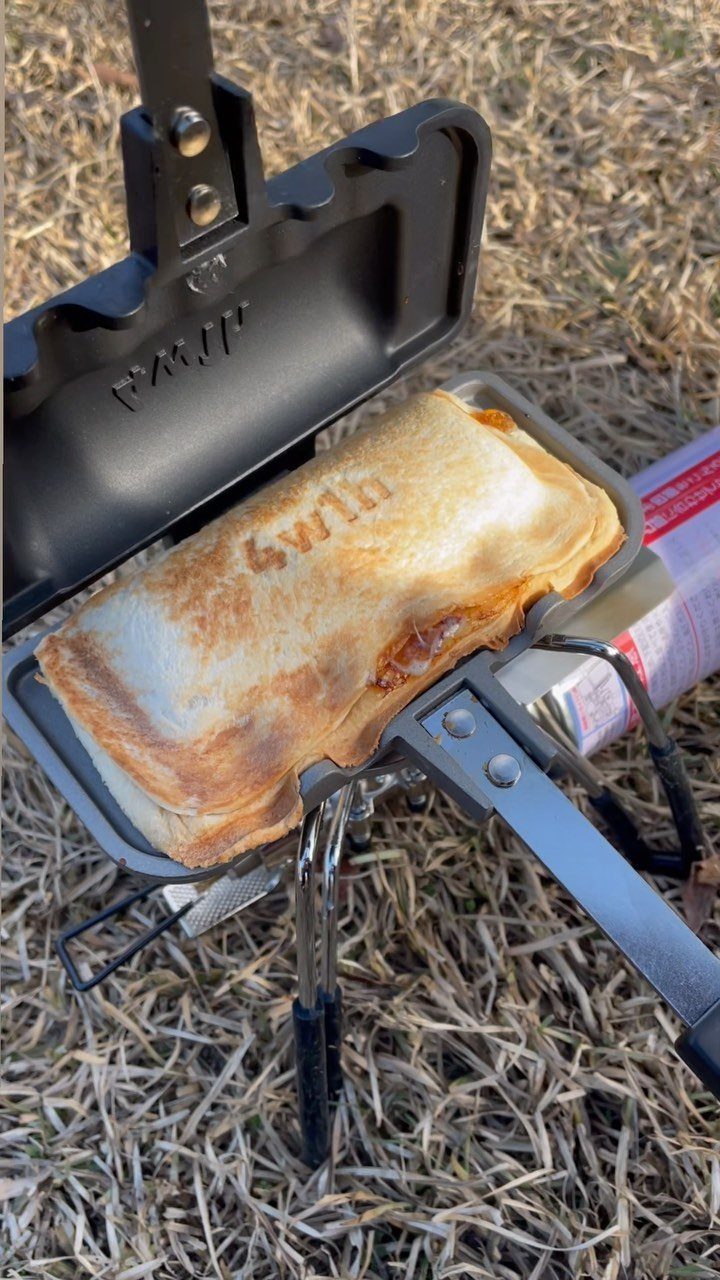
A hinged metal camp press turns 2 slices of bread and cheese into a sandwich toasted on both sides, no flipping required.
Butter the outside of the bread, close the press, and hold it over the heat, checking now and then.
Open it early the first time, since the bread browns faster than you expect.
30. Bacon-Wrapped Meats
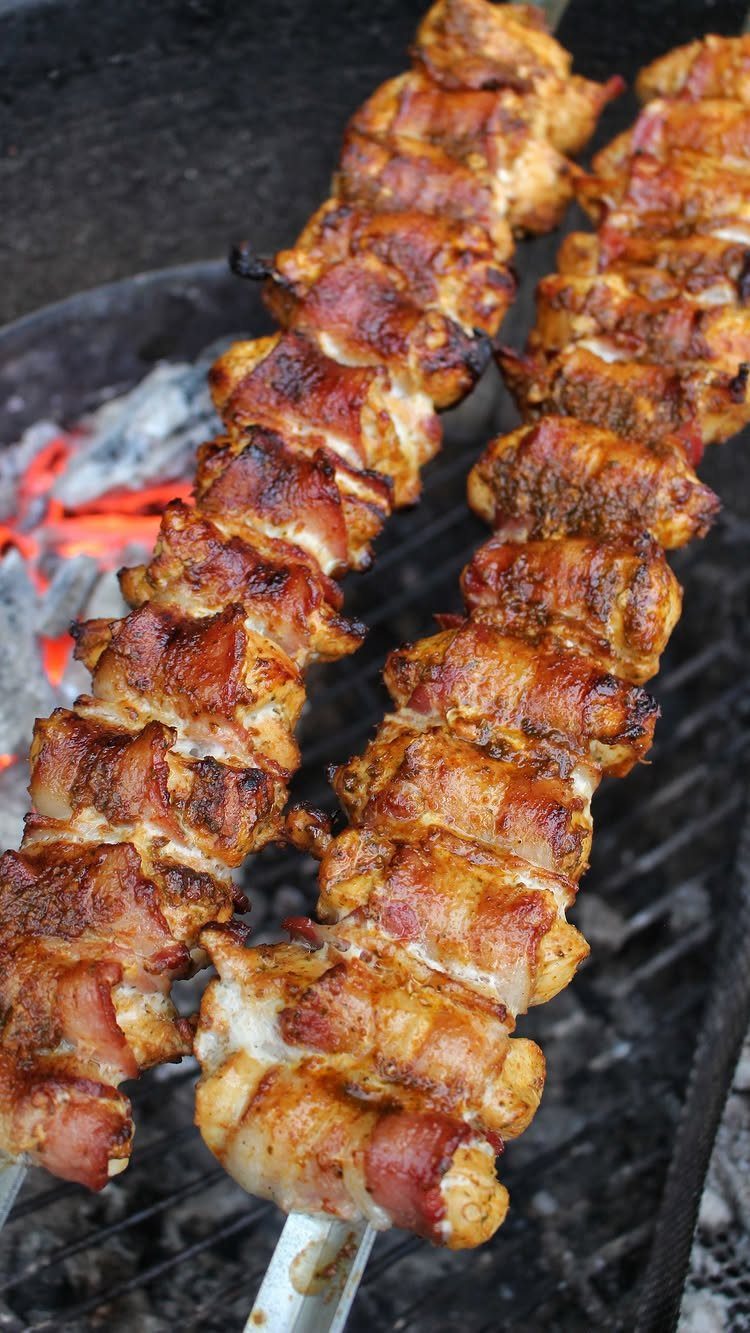
Chicken wrapped in bacon and threaded on skewers cooks over glowing embers, and the bacon bastes the meat as it renders.
The maker of this version marinates the chicken at least 2 hours, ideally overnight, so mix the sauce at home and bag it up.
Wrap the bacon snugly before skewering so it stays put. Keep the skewers over embers rather than roaring flames, since dripping fat flares up fast.
31. Rice in Taco-Type Dish
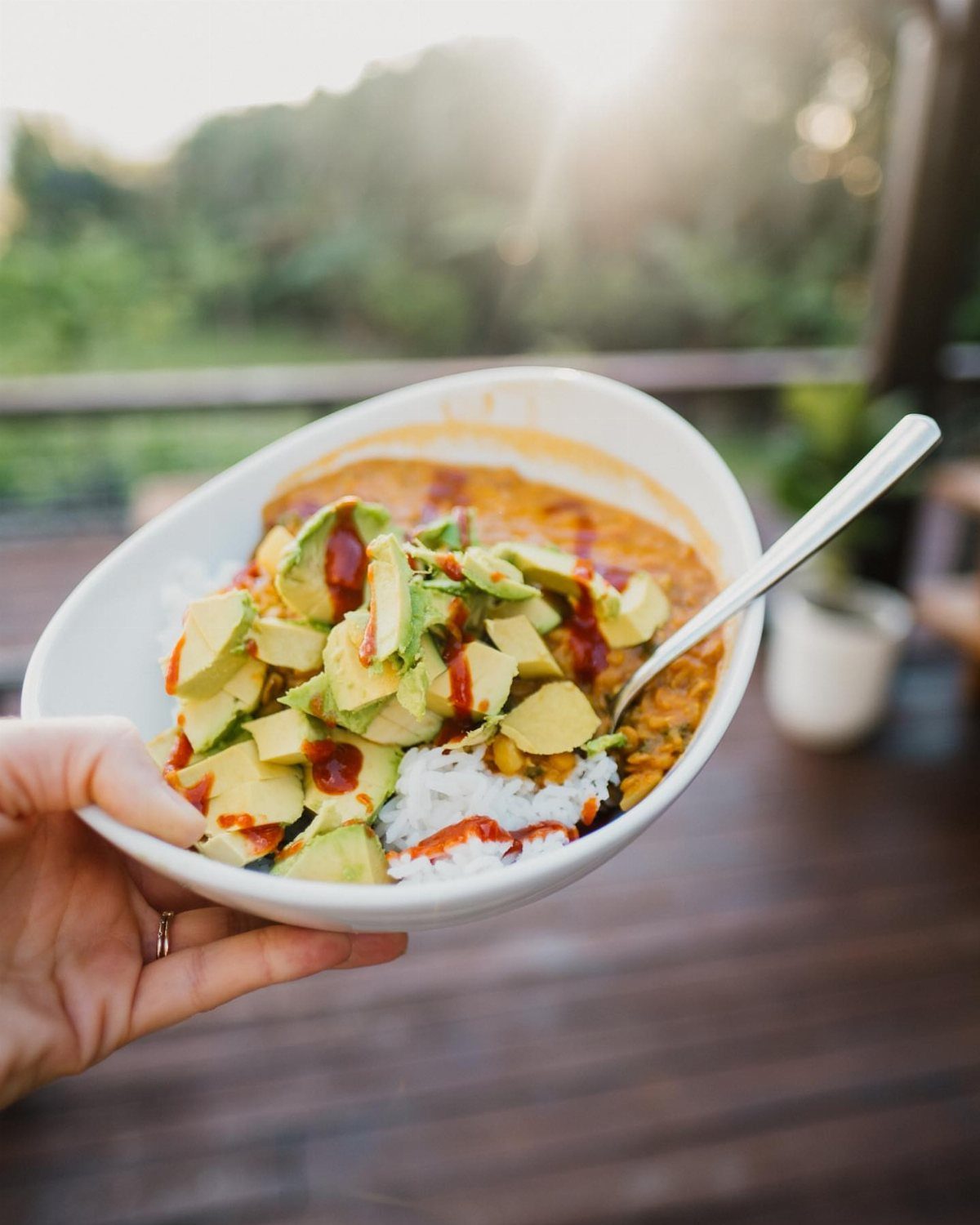
A fork is all you need to eat it.
Cook the rice at home and carry it in a lidded container, then reheat it in the same pot as the beans so camp stays a one-pot job. Dice the avocado last, right before serving, so it stays green.
I like a bowl for this since it holds the sauce, which a tortilla never does.
32. Baked Potatoes
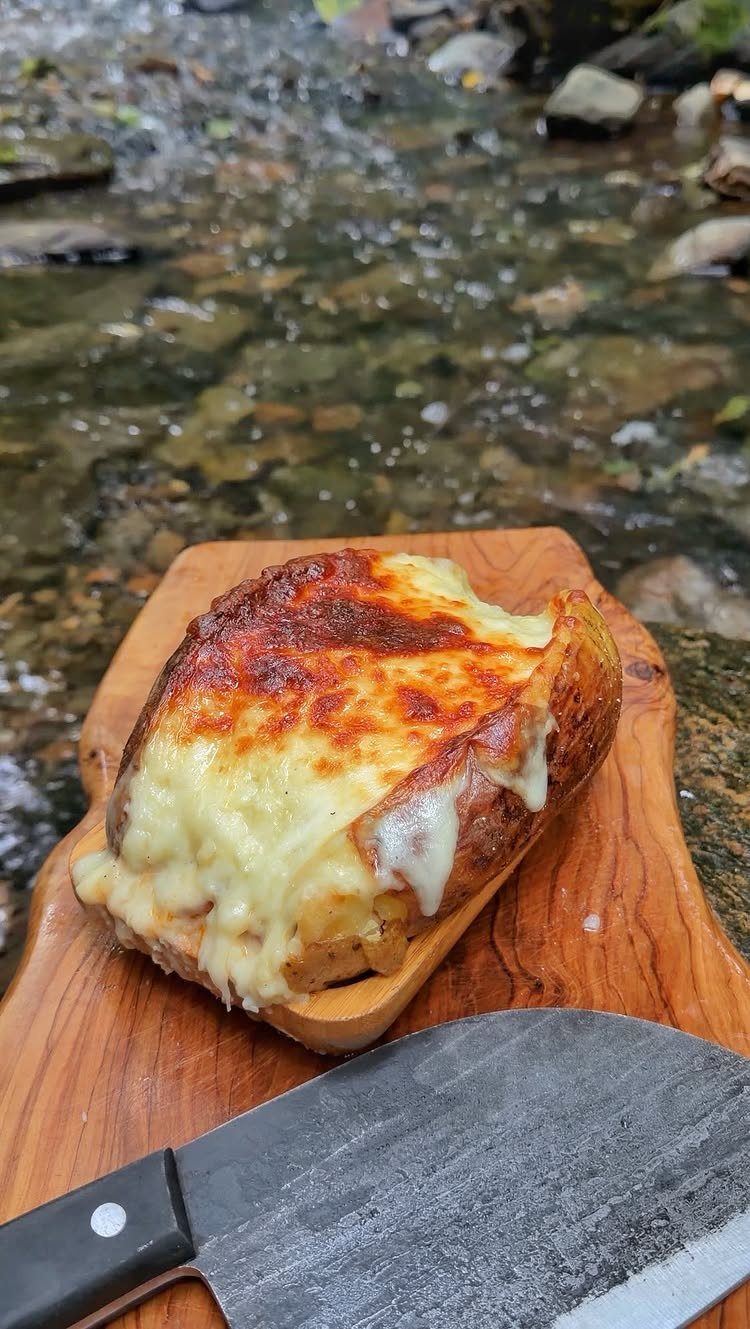
A potato wrapped in foil and set in the campfire turns soft inside while the skin takes on a savory bite, and a handful of melted cheese on top makes it dinner.
Bury it in the coals instead of the open flame, and turn it now and then.
Pick large potatoes, since they hold up to the heat better than small ones. Poke the cooked potato open with a knife, then tuck the cheese into the center where it melts.
I would bring extra potatoes, because they are the cheapest filling thing in the cooler.
Meal Prep Tips
Prep at home as much as you can. Every chopped onion and cooked pound of pasta you bring means less work at camp and less washing up.
Freezer bags make the packing easy.
Frozen soup or chili does double duty by helping chill the cooler. Freeze juice boxes for the same reason.
Pack a few no-cook foods in case rain keeps the fire out: hummus with pita, or tortilla chips with bean dip. Pack trail lunches and leftovers in small containers with tight-sealing lids so nothing leaks into the cooler.
A written checklist of food and utensils, reused every trip, keeps you from forgetting the can opener.
Use the fire twice.
While the grill is hot, I cook extra chicken, sausage or vegetables for tomorrow’s pasta sauce, salad or sandwiches, and I boil a double batch of pasta on the stove so it can chill for a cold salad.
A simple menu leaves you time to sit by the fire instead of standing over a camp stove.
Food Storage Advice
Perishables need a cooler packed with ice packs, and the plan should assume no refrigeration beyond that.
Cooked food shouldn’t sit out of the cooler for more than 2 hours, and in hot weather over 90°F, an hour is the safer limit. Reheat leftovers until they’re steaming in the center, not just warm around the edges.
If you have room for two coolers, I’d pack one for food and one for drinks, since the drink cooler gets opened constantly and the food stays colder when its lid stays shut.
The drinks cooler gets opened constantly, and the food cooler stays cold when it is left alone.
Plan the early meals around the most perishable items, such as raw meat and dairy, and save shelf-stable foods for the last days of the trip.
Cooking Equipment
A basic propane camp stove covers most of what you need. Look for good temperature control and steady performance in wind, since a flame that flickers out wastes time and fuel.
A large pot, around 3 liters, handles one-pot dinners for a group. A cook set that works over both a stove and a campfire gives you options if the fire ban hits or the wood is wet.
Cast iron skillet and aluminum foil round out the basics. Add tongs, a sturdy spatula and a lid that fits your pot.
Pie irons are worth a look too, for sandwiches or small pizzas made right over the fire.
Frequently Asked Questions
What are some good prepared meals for camping?
Chili, pasta salad and foil pack dinners are the best fits. Chili can be cooked at home, then reheated in a Dutch oven over the fire, and pasta salad is finished at home and simply opened at camp.
Foil packs can be assembled ahead, one per person, and leave no pots to scrub afterward.
What are some lazy dinner ideas for camping?
Nachos, walking tacos and one-pot pasta take the least effort.
A 10–12 inch cast iron skillet works best for nachos: spread the chips in two layers with cheese between them, then park it on a grate over medium coals for about 5 minutes.
Walking tacos need nothing but a snack-size bag of corn chips, crushed a little, with hot seasoned beef and toppings spooned right in and a fork stuck in the top. Both mean almost no dishes to wash.
What is the most popular campfire food?
Nothing outsells s’mores around a fire, and the build is simple: 2 graham cracker halves, a square of milk chocolate and one toasted marshmallow.
For an even brown, keep the marshmallow a few inches above the glowing coals, where the heat is steady, and rotate it slowly instead of pushing it into open flame.





