Courses run from an aperitivo of chips, olives and nuts to a dolce finish, and the host’s own stove time decides how many to serve.
If the primo already needs last-minute tossing, I would buy the antipasto, make the contorno ahead and serve it at room temperature, so nothing else competes for the burner.
Pick one region and keep each dish to 4 to 8 ingredients; the list below covers every course, including which ones you can buy or make ahead.
1. Dolce
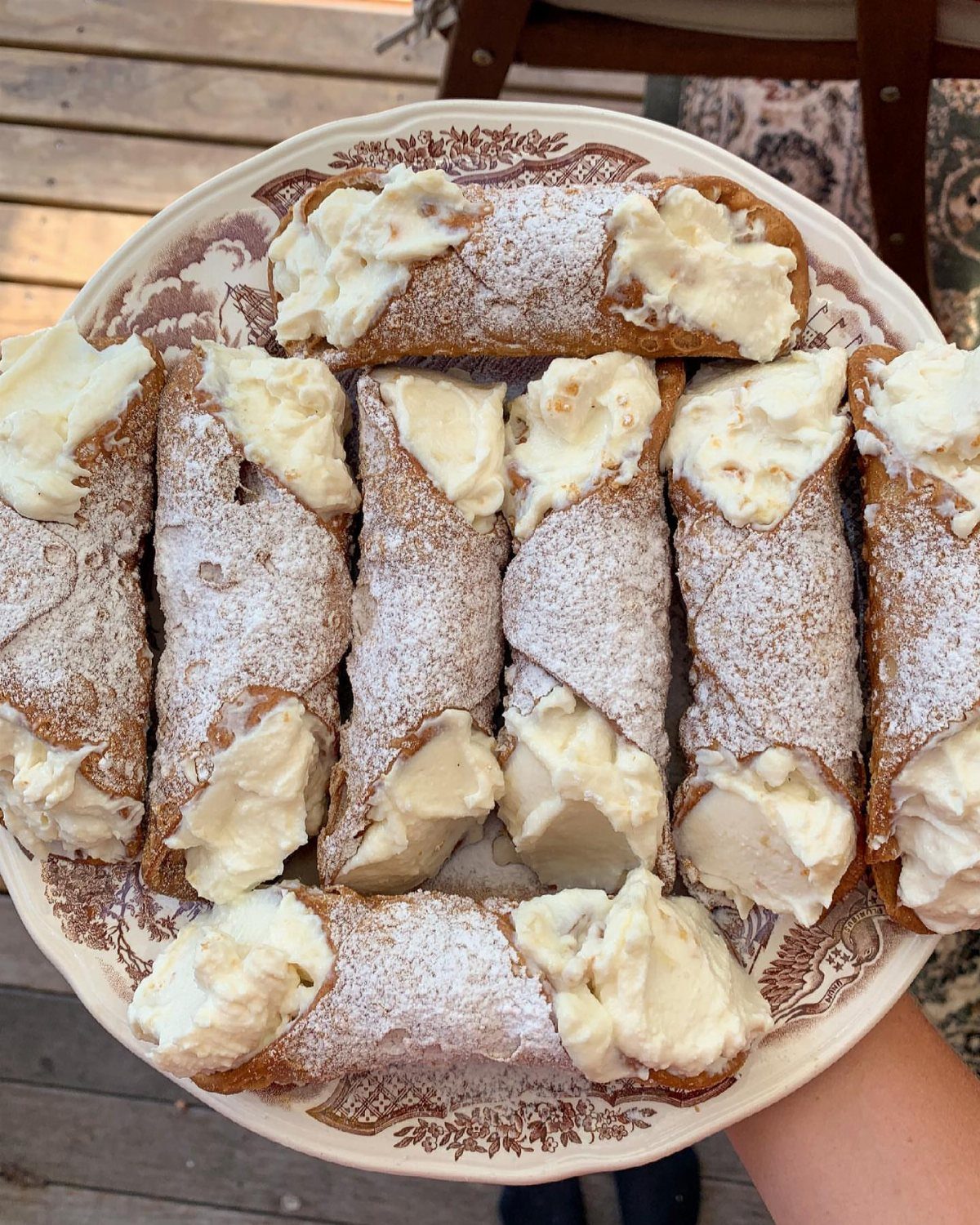
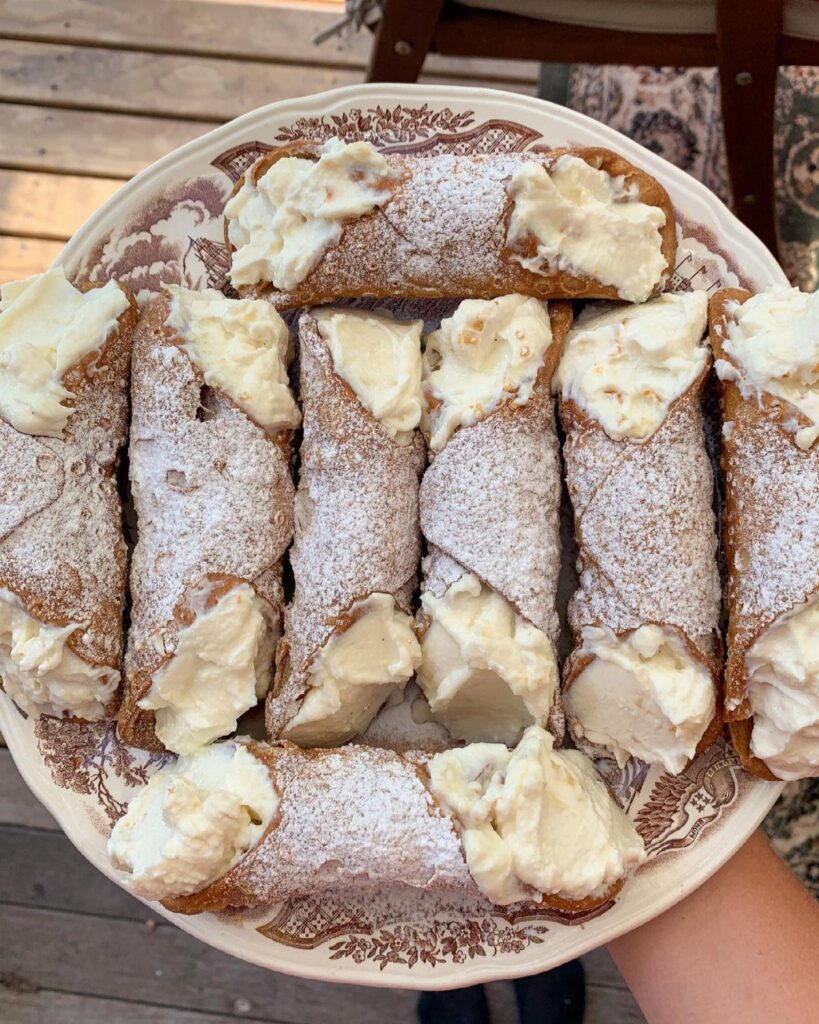
Cannoli are the easiest dolce to serve at home, because the shells can come from a bakery and the only real work is the filling.
Ricotta cream goes into the shells right before guests sit down, so the crust stays crisp instead of going soft.
Dust with powdered sugar at the last minute, too. I like them small and on a white plate, which keeps the course light after a long meal.
2. Antipasto
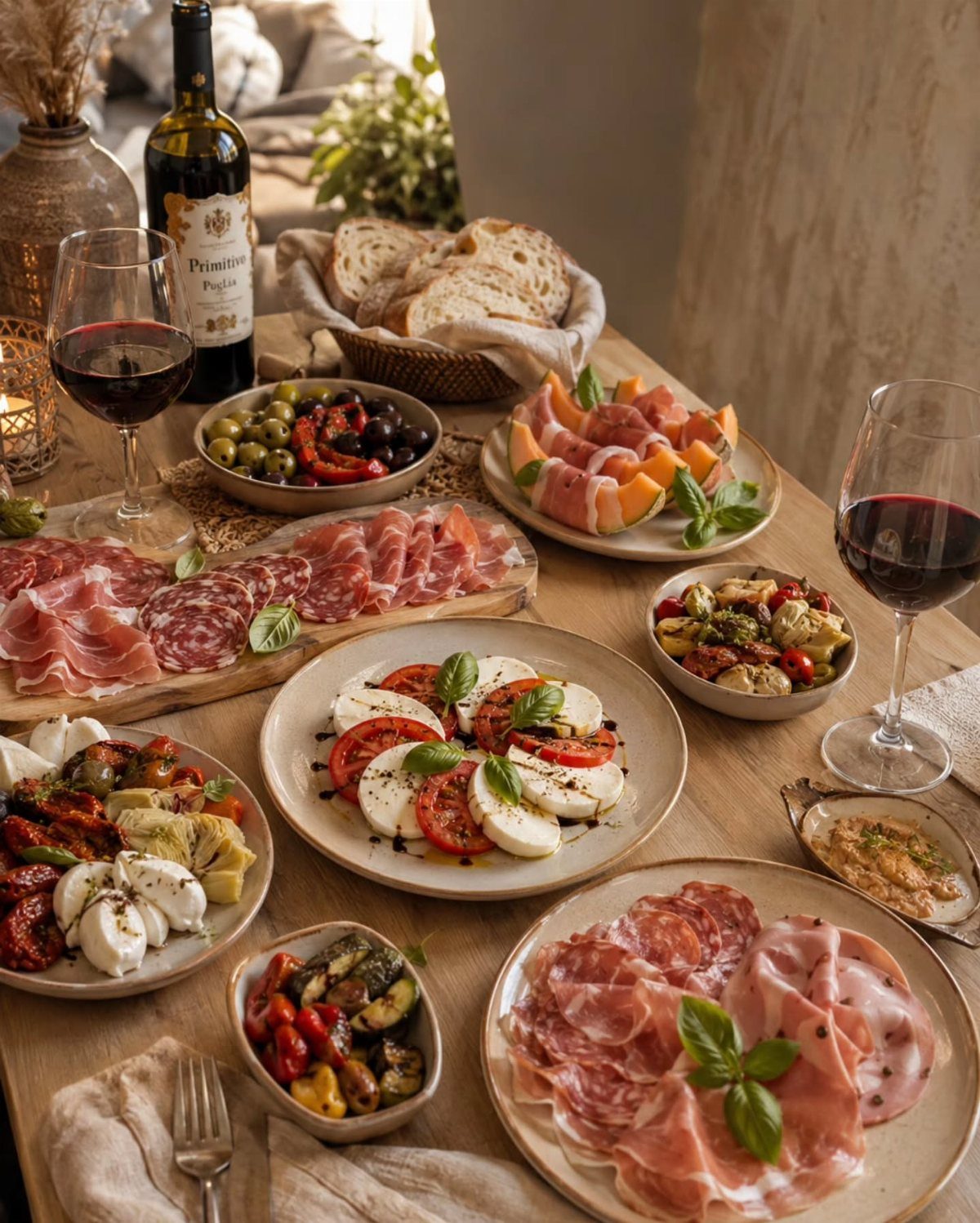
Salty, sweet and fresh want to share one board, and an antipasto spread is where that happens. Cured meats, prosciutto with melon, caprese salad, olives and bread cover all three without any cooking.
Most of it is store-bought, which is why I like it for a host who also has a pasta to watch.
Pour a red like Primitivo alongside, and set everything out before guests arrive so the first course takes care of itself.
3. Primo
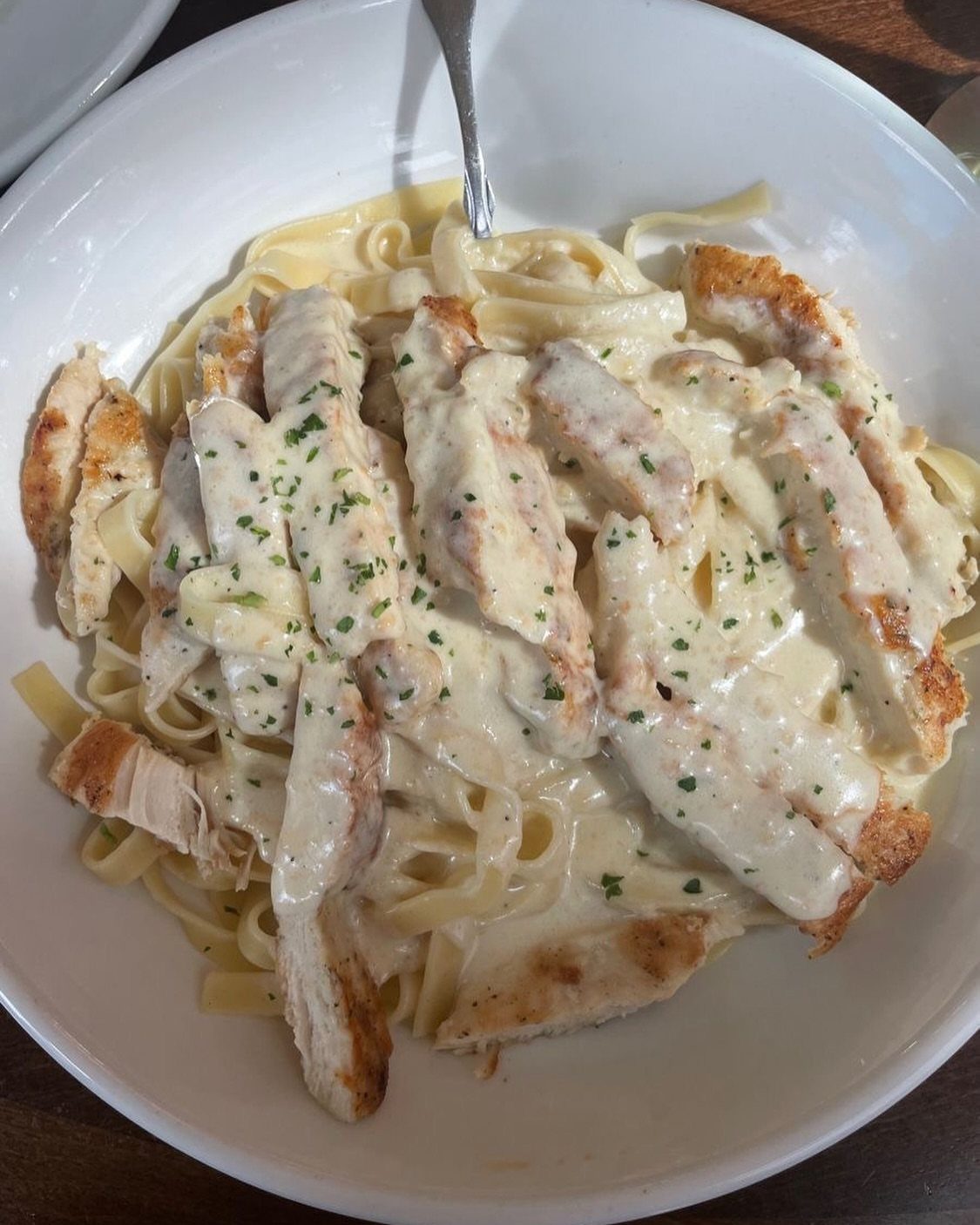
Pasta or rice, served as its own course, is the primo, and it arrives before any meat. Fettuccine in a creamy white sauce works well here, and I would keep the portion modest since more courses follow.
Toss the pasta with the sauce at the last minute, and serve it in warm bowls.
4. Aperitivo
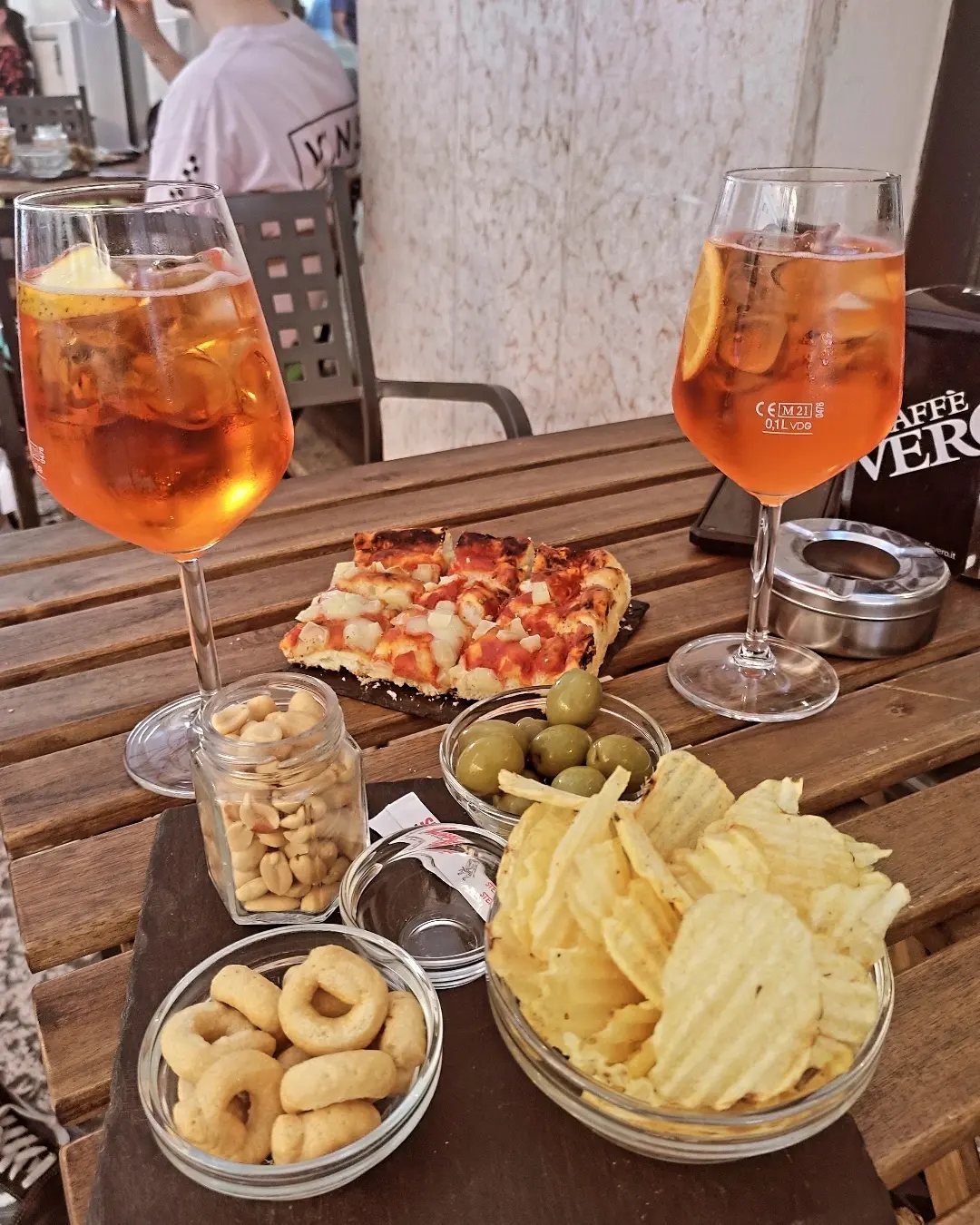
Aperitivo is a drink with a few salty bites, meant to wake up the appetite before dinner. An Aperol Spritz is the obvious pour, bright orange and low effort, and it pairs with bowls of chips, olives and nuts.
Put the bowls out first and mix drinks as people arrive. Skip anything filling here; pizza is plenty, and anything heavier steals from the courses ahead.
5. Digestivo
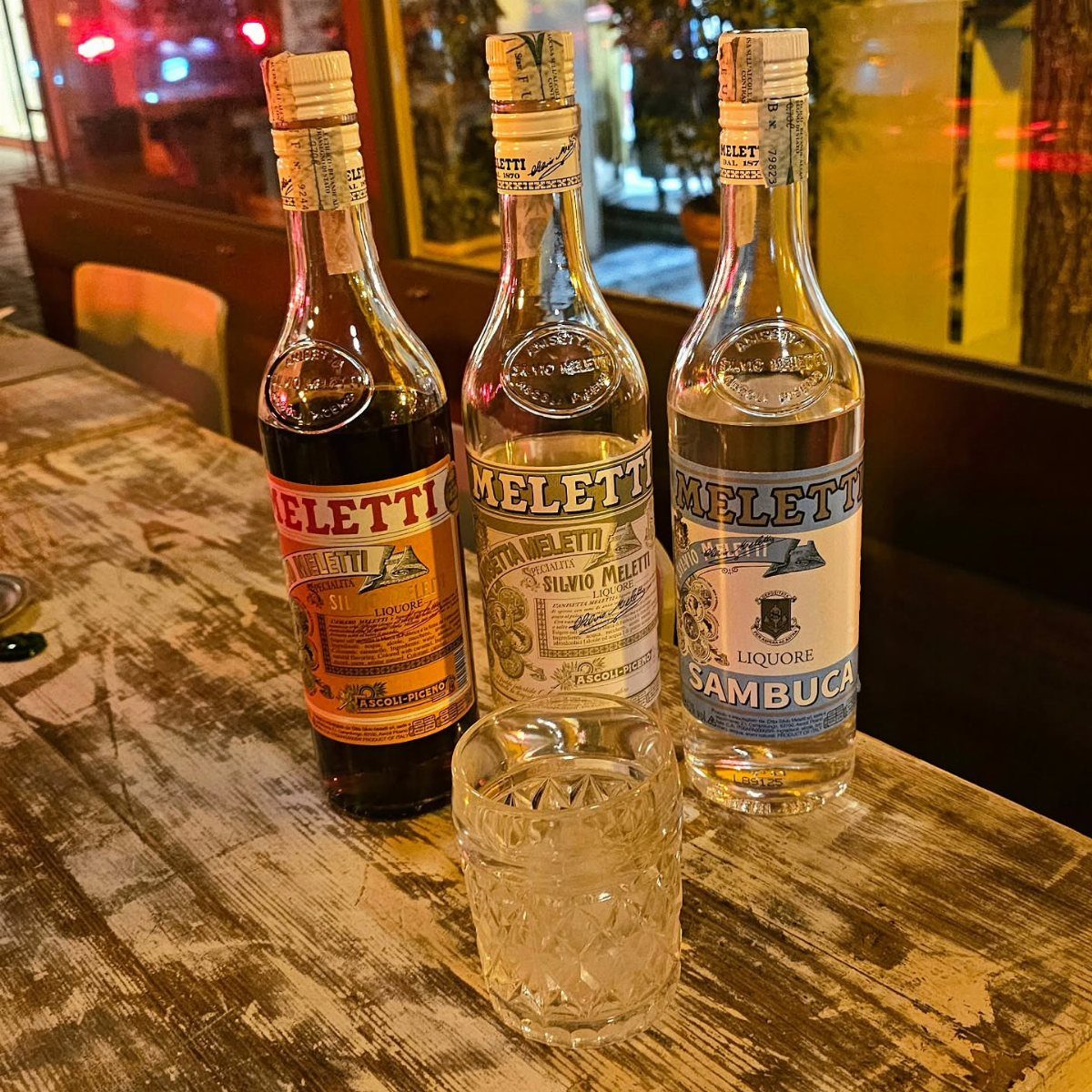
A digestivo is a small pour after dinner, and a few bottles on the table let guests choose for themselves. Sambuca is one option, and a short lineup of Meletti liqueurs gives people something to compare.
Use small glasses and pour little. I would set the bottles out and let guests help themselves rather than playing bartender at the end of the night.
6. Caffe
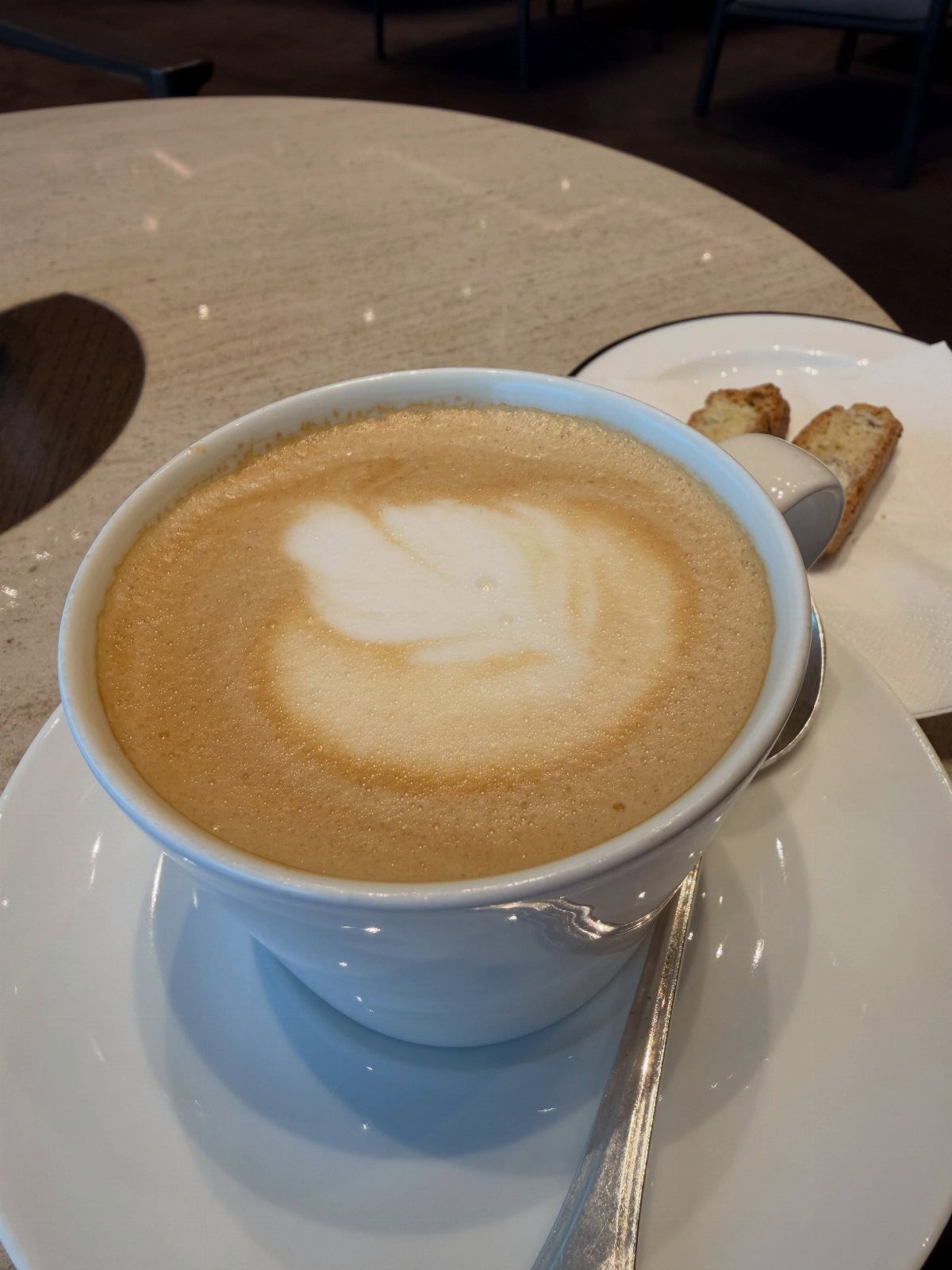
Caffe closes the meal, and a small espresso with a few biscotti on the saucer is a tidy way to do it. Biscotti keep well, so buy them ahead and spend your attention on the coffee.
Serve it in plain white cups, and skip the milk-based drink if guests are full. Biscotti are made for dunking, which suits a slow end to the evening.
7. Formaggi E Frutta
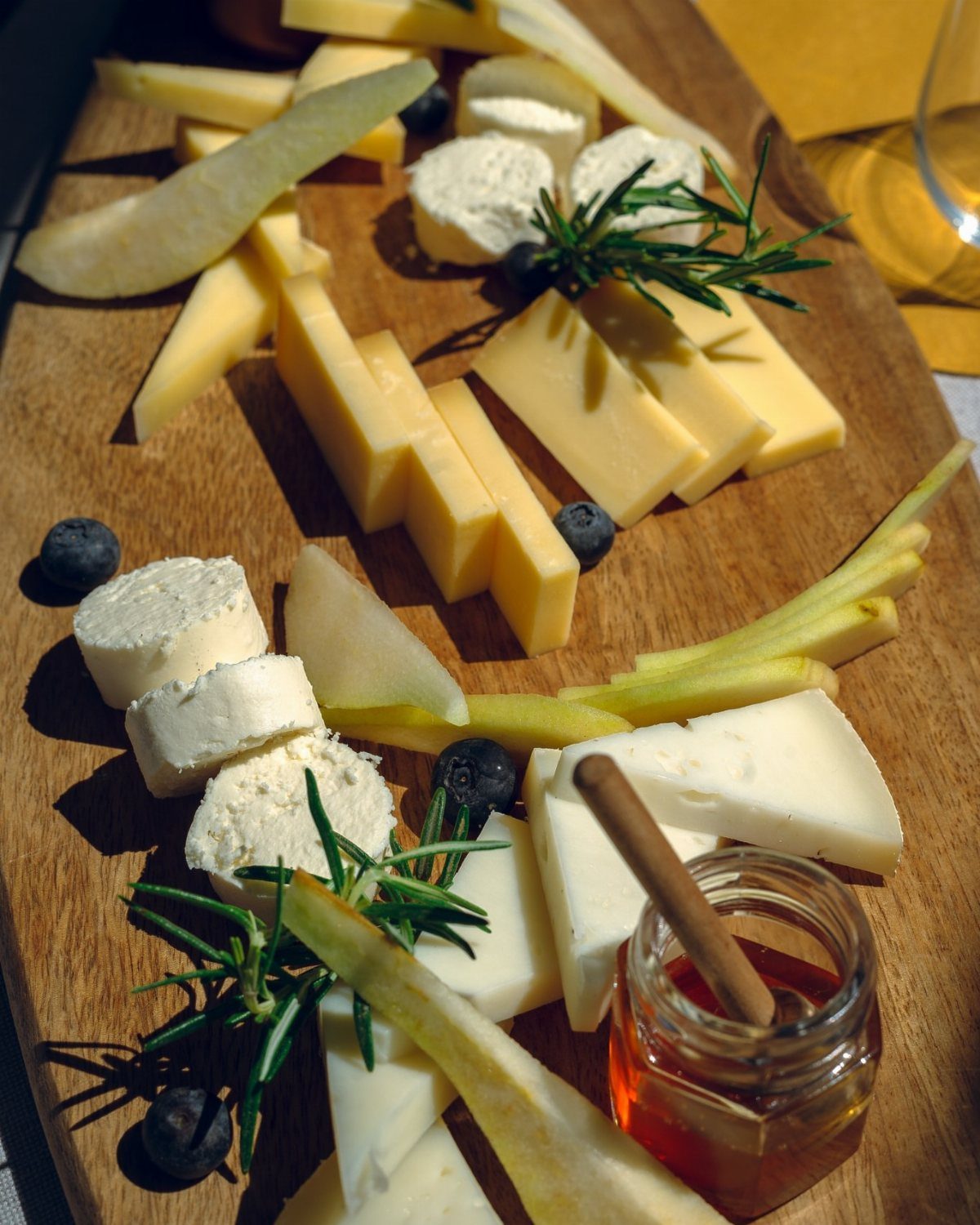
Fruit and honey bring sweetness, so this can sit comfortably before dolce.
Pull the cheese out of the fridge a little ahead so it softens. Slice the pear at the last minute so it stays crisp and doesn’t brown, and put out the honey with a spoon for drizzling.
I would buy just 2 or 3 cheeses and lean on the fruit to fill out the board.
8. Contorno
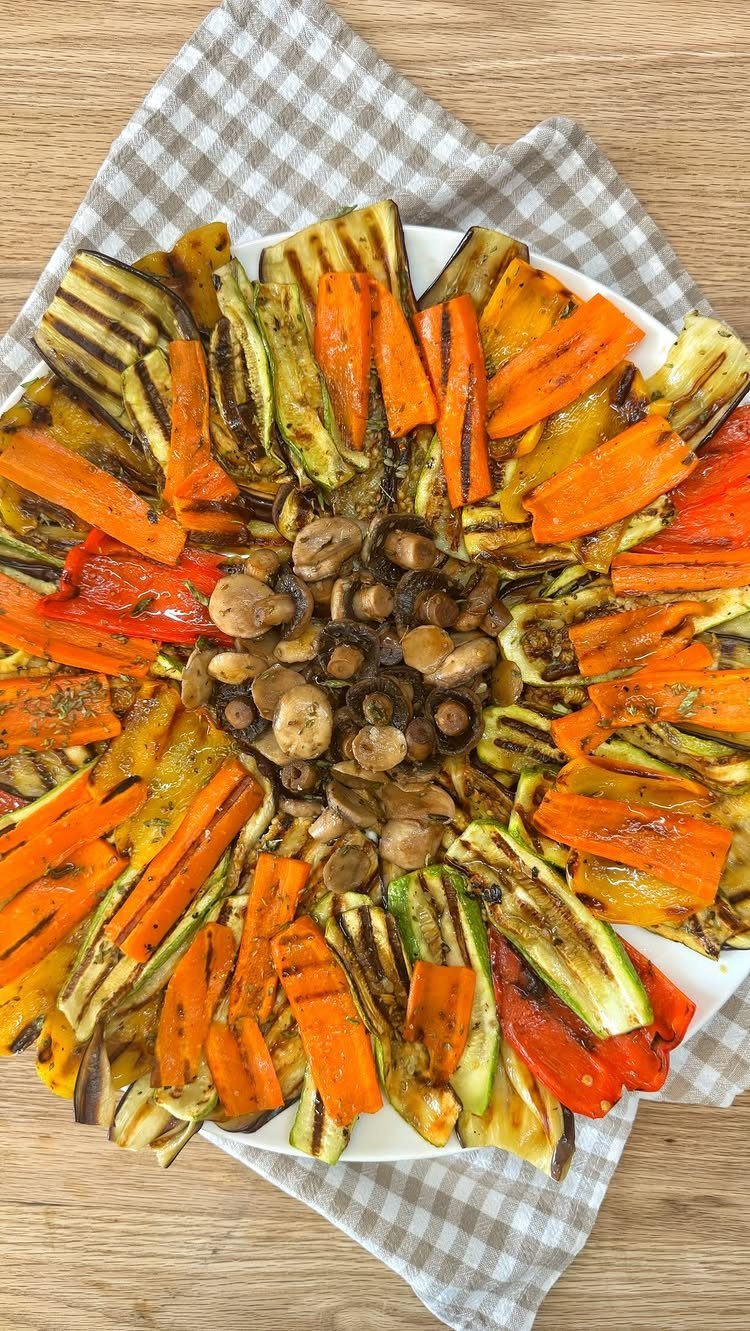
Grilled zucchini, carrots, red peppers and mushrooms make a contorno that needs no last-minute attention, and that is why I favor it. Vegetables served beside the main course ease the richness of the meat or pasta.
Cut everything to similar thickness so it cooks evenly. Then toss the vegetables gently together, cover the bowl, and let them marinate for about 1 hour.
Serve at room temperature, which frees the grill and the oven for the main dish.
Quality of Ingredients
Most Italian recipes use only 4 to 8 ingredients, so each one has to carry real flavor. Spend your budget on the few items that show up plainly on the plate: the olive oil, the cheese, the tomatoes, the fruit.
Buy what is in season. Ripe vegetables and fruit need almost nothing done to them, which also keeps your prep short.
Shortcuts still work if the ingredient is good. A great store-bought item beats a mediocre homemade one, and I would pick that every time.
Keep each dish simple; good ingredients carry the plate without much help from you. Fewer ingredients also means a shorter shopping list and a lower per-guest cost.
Importance of Meal Pacing
Plan on a few hours at the table, because an Italian dinner is meant to unfold slowly.
Plan your timeline around that rhythm. Leave a real pause between courses instead of rushing to clear plates, and don’t plate the next course until people have finished talking.
Balance matters more than quantity. Small portions leave room for dessert, so the evening can stretch as long as it wants.
I would also keep your own seat in mind: dishes that wait on their own let you sit down between courses and join the table.
A proper, full course Italian meal can last for hours. It seems like the food just keeps arriving at the table — from the first few plates of antipasti to the sweet desserts.
Regional Variations
Italian food changes by region, so you can pick a region and shop to match it. The choice also narrows your list.
- Northern Italy: risotto, polenta, butter-based dishes and alpine cheeses.
- Central Italy: pasta, cured meats, olive oil and simplicity.
- Southern Italy: seafood, tomatoes, citrus and olive oil, with longer family-style meals.
- Sicily draws on Arab, Greek and Spanish history, and you taste it most in the desserts.
I would choose one region per dinner rather than mixing them. A menu that stays in one place feels intentional, and the shopping is easier.
For a relaxed crowd, Southern Italy suits a family-style table. For a dessert-focused evening, Sicily is the one I would lean toward.
Frequently Asked Questions
What are the top Italian main courses?
Secondo is the Italian name for the main course, and the plate is built around meat, poultry or fish. Pollo al limone, braciole al sugo, grilled salmon and breaded veal cutlet (cotoletta alla Milanese) are common choices.
Expect it to be the heaviest part of the meal, paired with a plain vegetable side; near the coast, fish often takes the place of meat.
What is the correct order of Italian meal courses?
Served in order, a full dinner starts with aperitivo and antipasto, moves through primo, secondo and contorno, then ends with dolce, caffe and a digestivo.
A cheese and fruit course is looser and can sit before dessert or alongside the antipasti. Each stage has its own job, and the sequence keeps portions small and the pacing slow.
What is a 7 course meal called?
There is no single name for it.
Count every stage and you get the long version: drinks, starter, pasta or rice, protein, vegetable, dessert, then coffee and an after-dinner liqueur. Count the cheese and fruit course and it runs longer, which is why portions stay small.
Do Italians really eat all these courses?
Yes, but not at every meal. A weeknight dinner may be just a primo and a contorno, while a Sunday family meal adds antipasto, secondo and dolce.
The full structure is saved for holiday feasts, and at home you can pick the courses that suit the occasion.
Is pasta a main meal in Italy?
Not quite: pasta is the primo, the first course, and the secondo with its protein follows.
Because the pasta course carries so much weight in Italy, the secondo that follows is usually kept simple, though it is still the main course.
Dry pasta, gnocchi, ravioli and risotto all fit here, and in winter it can be a soup.





