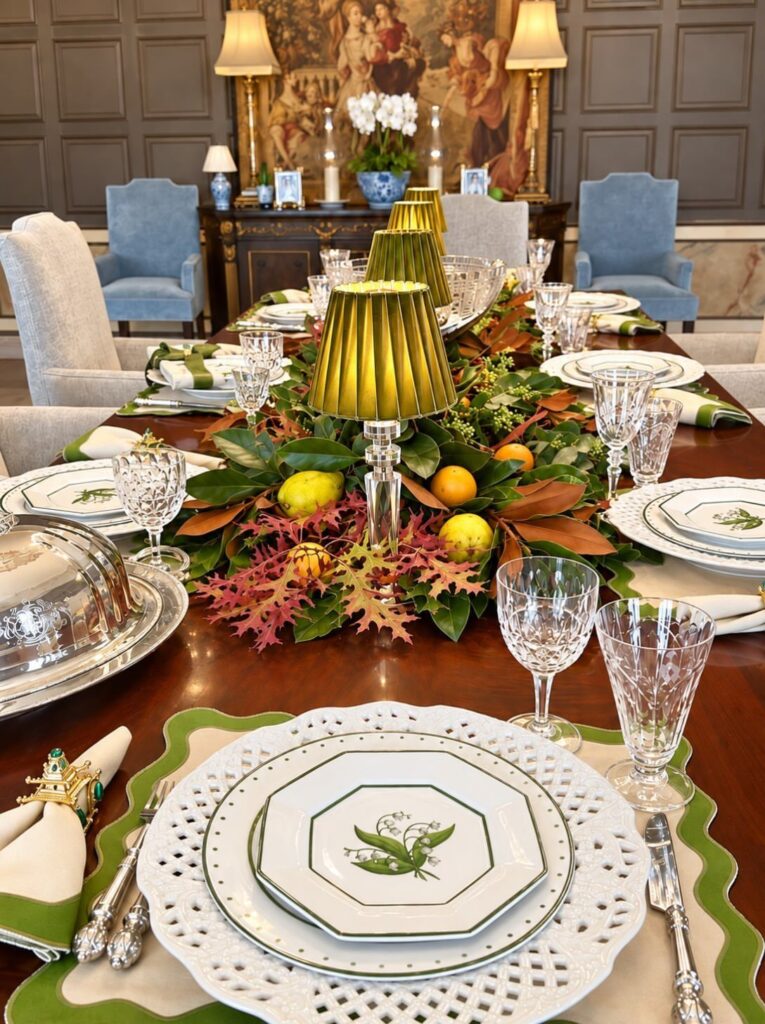
Table location and how long guests will sit facing each other settle which idea suits you: a lawn or tent wants low, heavy pieces on a wide base, while a dining room can handle something more delicate.
The list runs from fresh flowers and upcycled jars to fairy lights, fruit centerpieces and personalized napkins, with a section on budget-friendly options for hosts who want to keep the cost per table down.
Whatever you pick, keep it low enough that people can see each other and still pass dishes.
1. Fresh Flowers
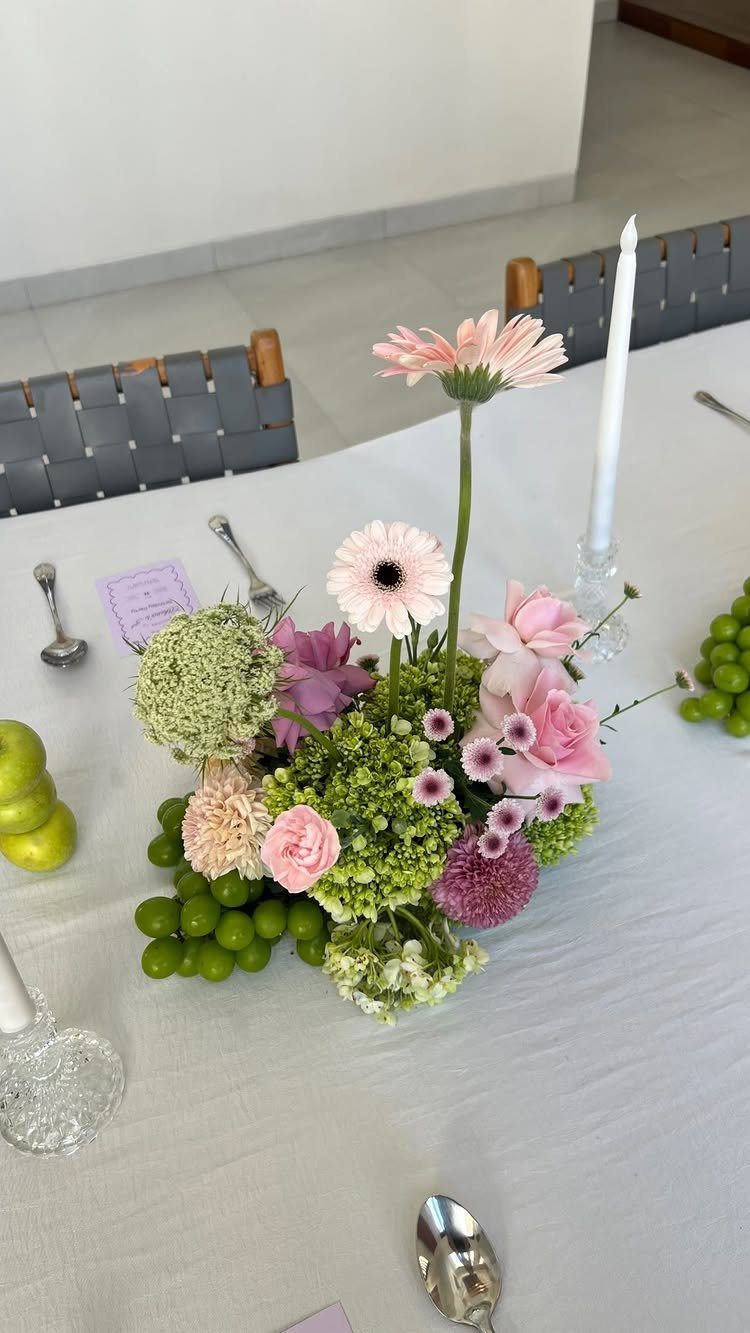
Pink gerbera daisies, roses and green grapes share one low arrangement here, and the grapes are the smart part. They fill gaps between blooms, add a second texture, and cost far less than extra flowers.
Keep the arrangement low enough to see over, so guests can talk across it.
2. Candles
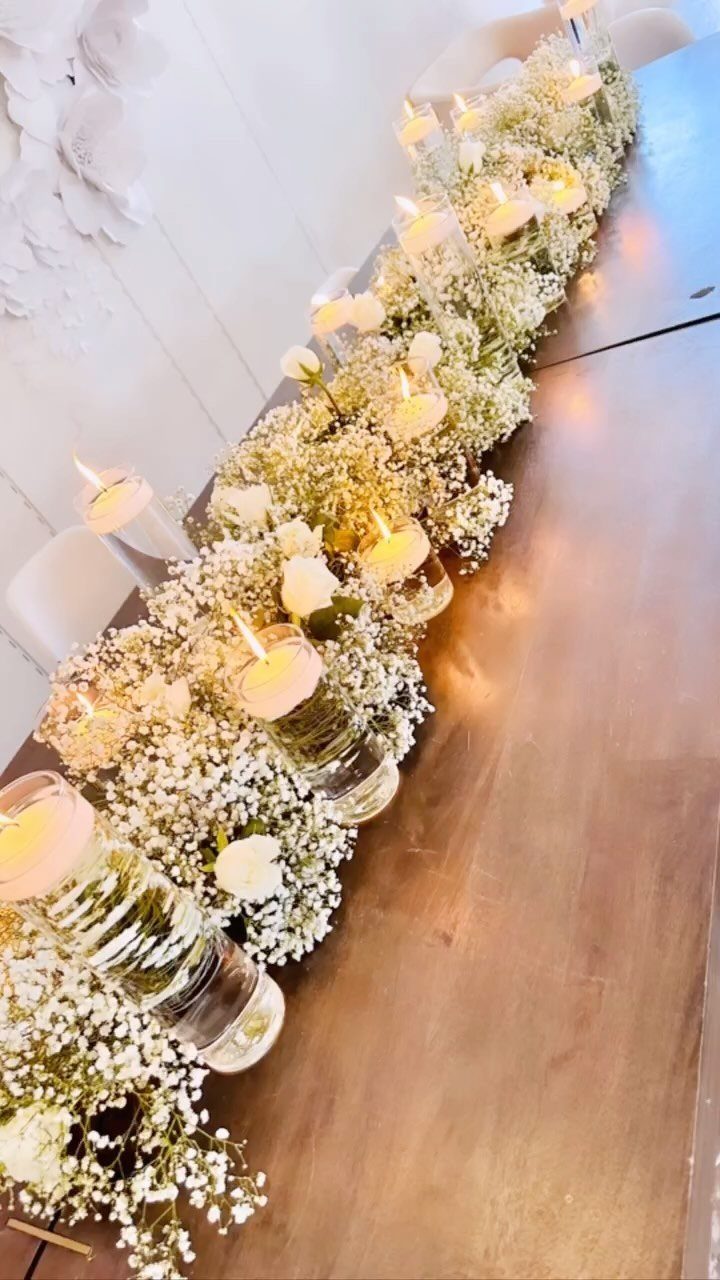
Floating candles in glass cylinders do the work of a centerpiece with almost no styling. Set several down the middle of a long table and the flame sits low, which keeps sightlines open.
A runner of baby’s breath is the budget move: it is a light, airy filler flower, and it reads as full when you lay it in a continuous strip. Light the candles as people arrive and take their seats.
3. Upcycled Jars
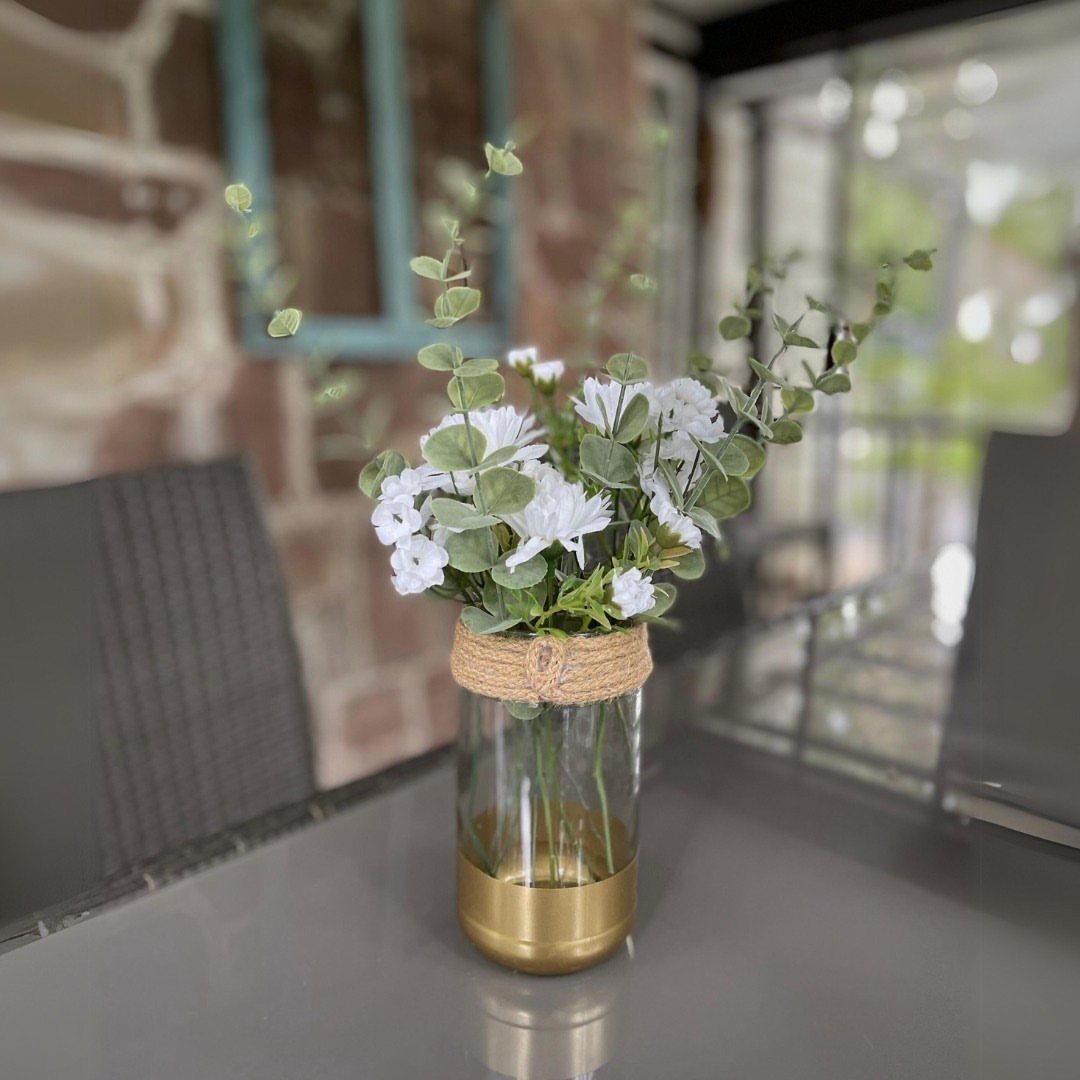
Any clean glass jar becomes a vase once you dress it: paint the base, wrap twine around the neck, and you have a centerpiece. Both steps are cheap and take little skill, which suits a tight budget.
White faux flowers with greenery mean you can make the jars days ahead and avoid a flower run right before the party. I would paint the base first and let it dry fully before wrapping the twine around the neck.
4. Fairy Lights Table Arrangement
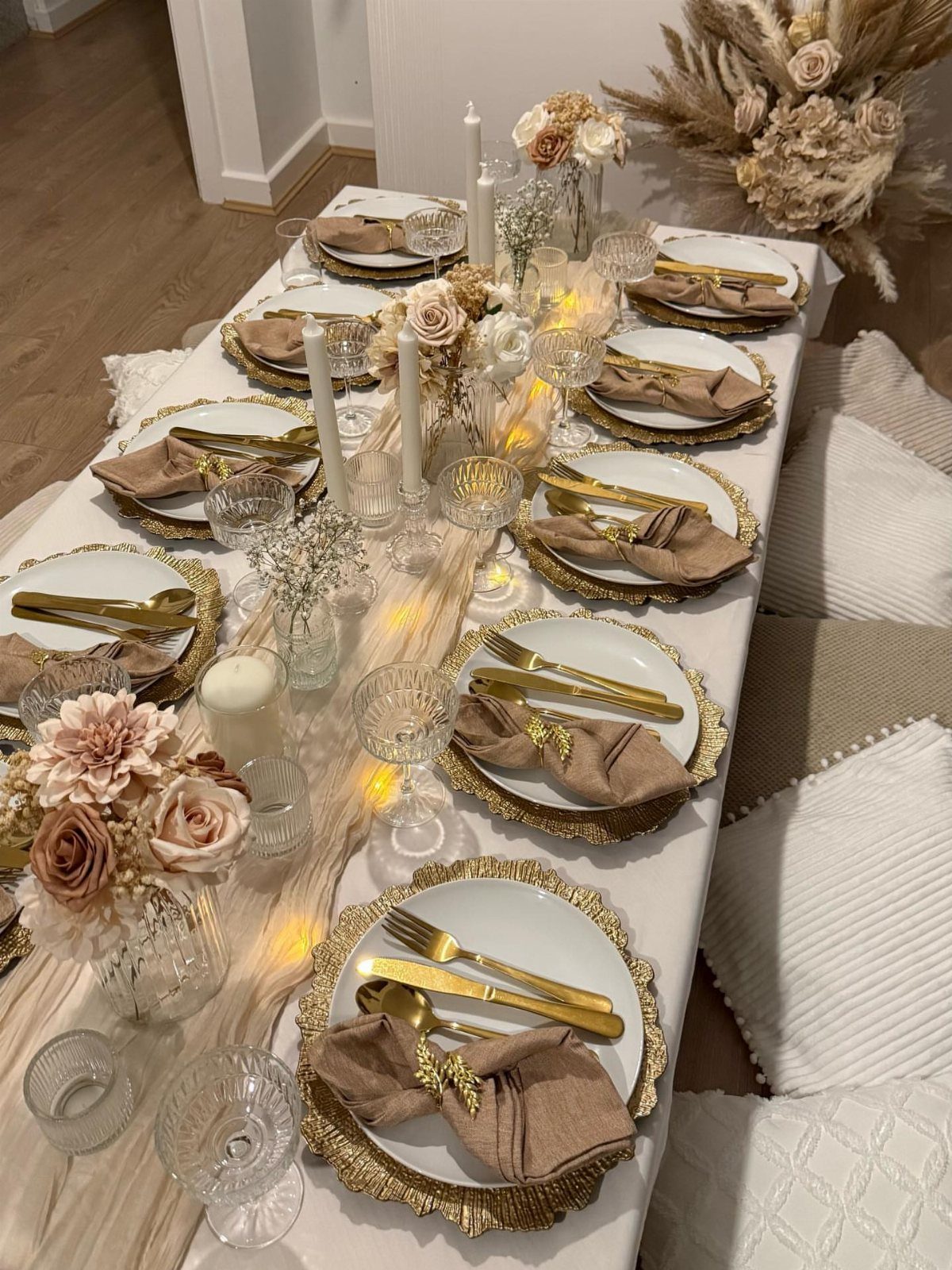
Fairy lights woven through a table runner give a formal setting a warm glow without adding another centerpiece. Thread the strand along the runner’s length, tucking it between flowers and candles so the wire disappears.
Run the cord toward one end of the table so the battery pack or plug stays out of sight.
5. Unique Centerpieces
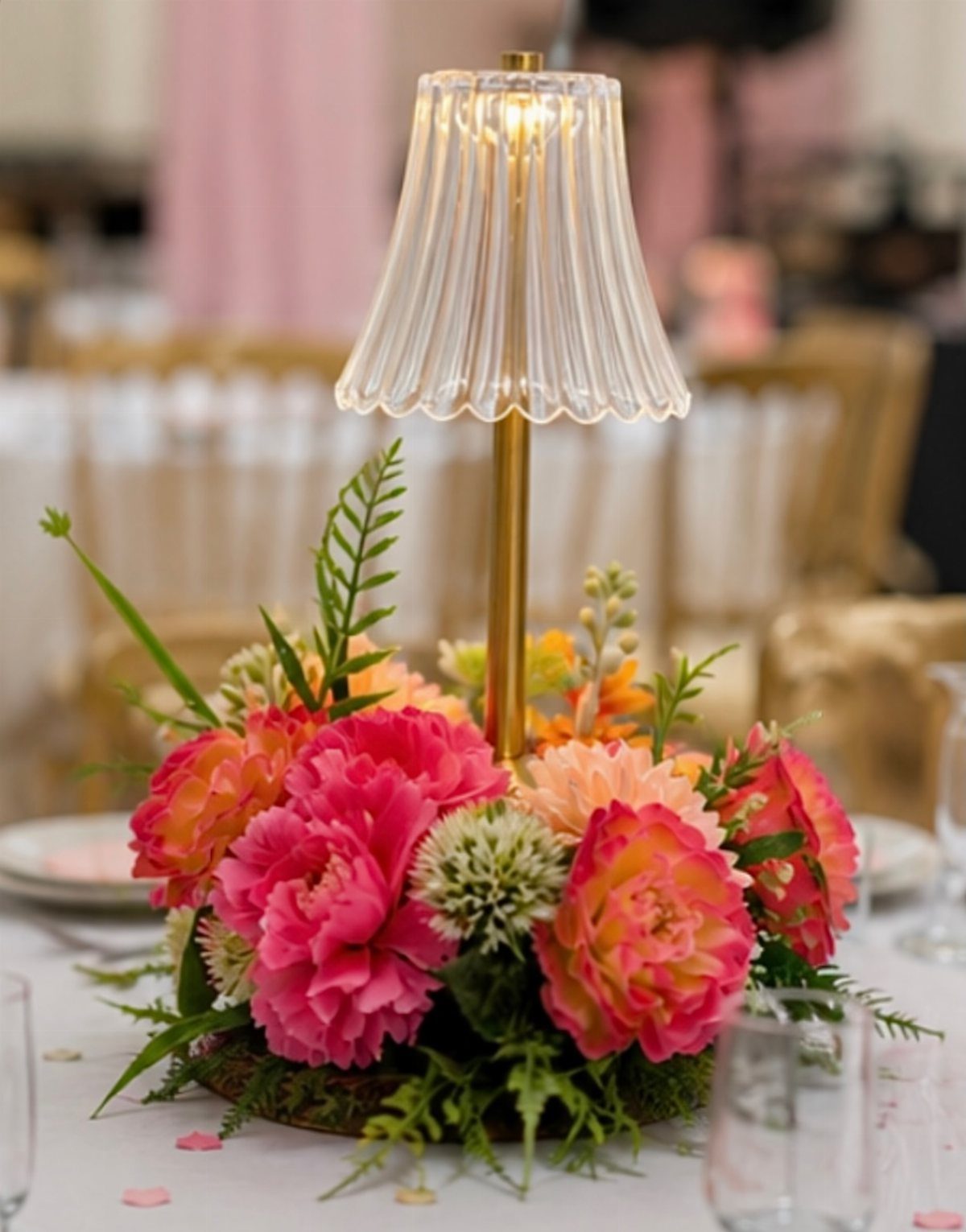
A small gold lamp tucked among pink and orange blooms is exactly how to break from the usual vase of flowers. Any unexpected object works if it matches the flowers’ palette and stays small.
Choose something with its own light or shine, since it does the job of a candle. Keep the whole piece compact so a dining table still has room for plates and serving dishes.
6. Scattered Vases
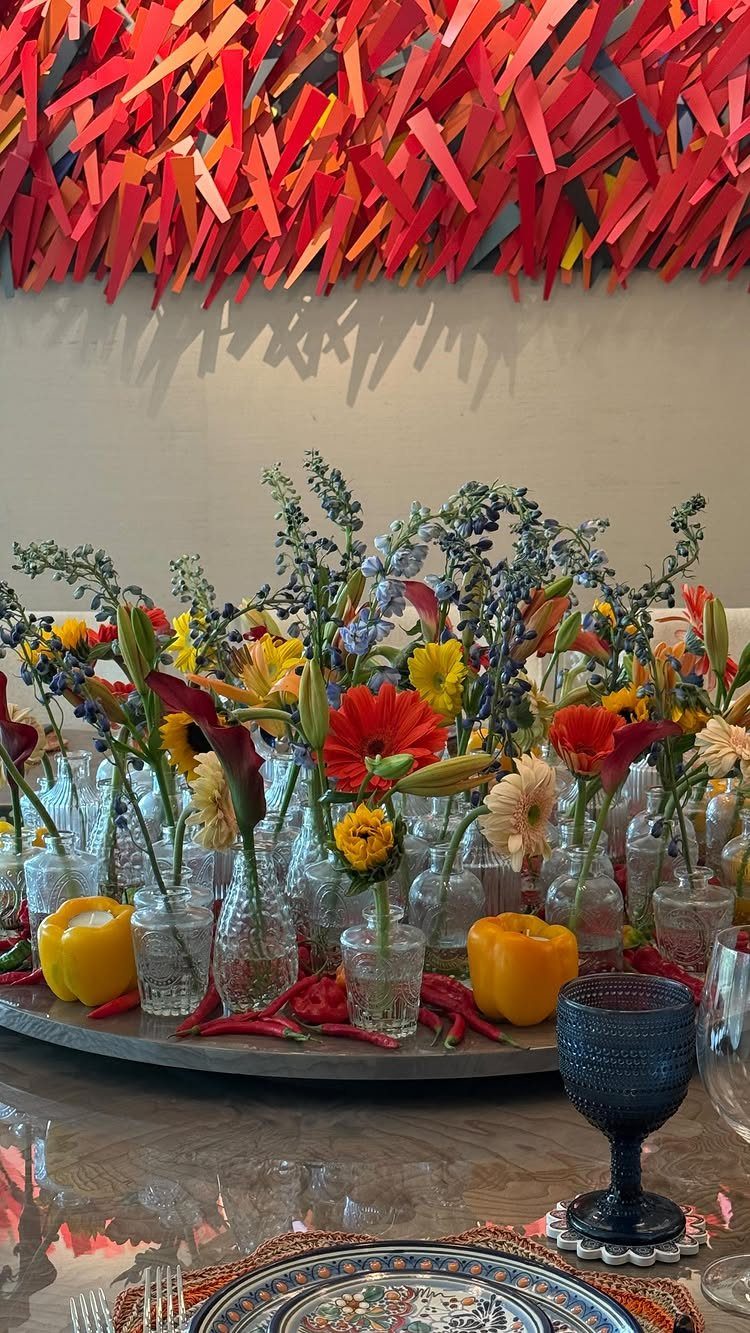
Several small vases beat one big arrangement when you want guests to see each other. Gather mismatched glass vases on a tray, give each a few stems of a different color, and let the tray anchor the group.
Even a few peppers tucked in add odd, pleasing color. This also lets you spread a small bunch of flowers across more vases, which helps a limited budget.
7. Citrus-Inspired Design
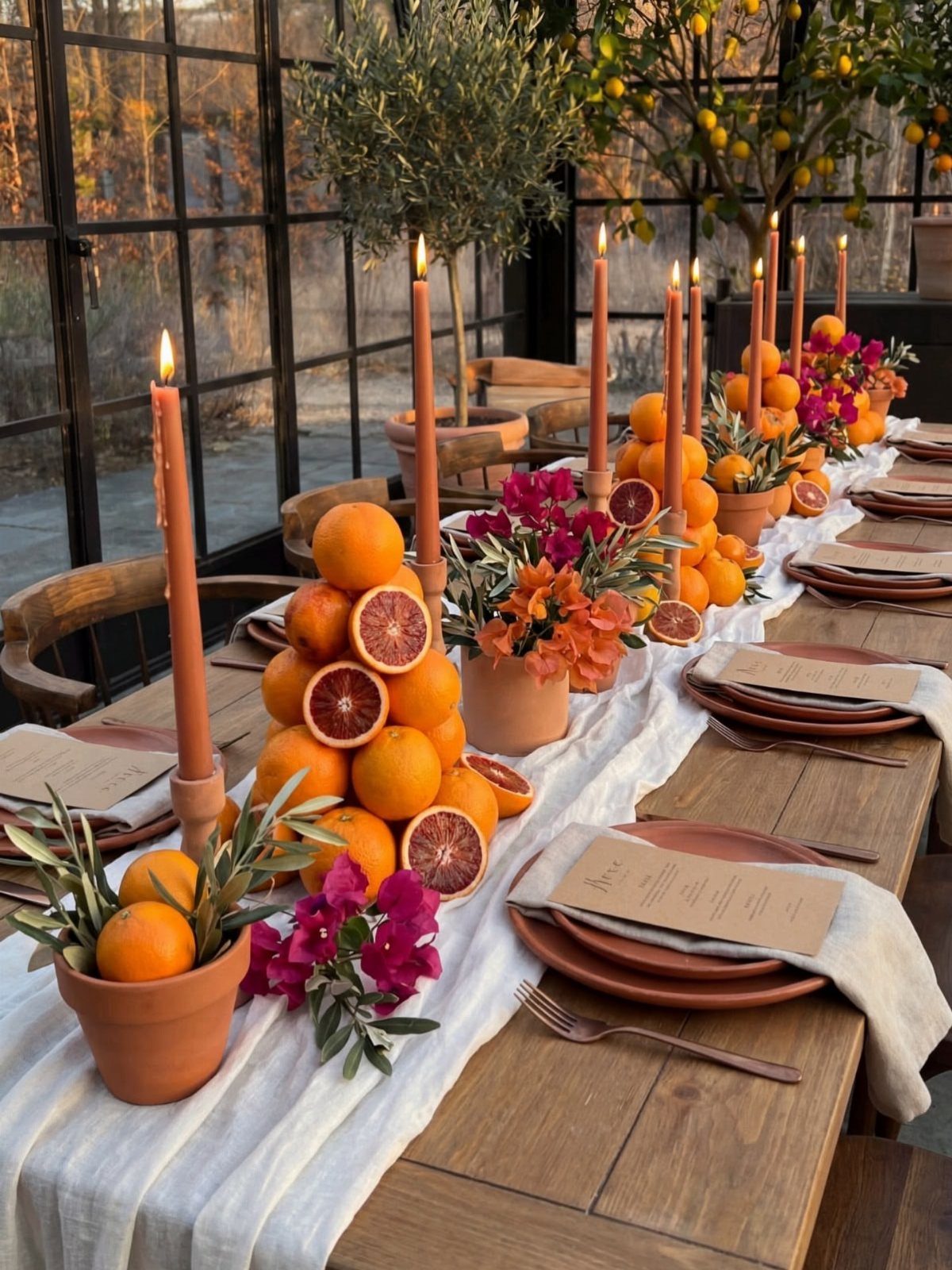
Oranges and grapefruit stacked in low mounds do the job of a centerpiece, and a few kumquats and lemons tuck into the spaces with smaller, brighter color.
Citrus costs less than most flowers and holds its shape for days, so you can build it ahead.
Press a few purple or yellow blooms between the fruit for contrast. I would pair it with orange tapers, since the candle color repeats the fruit.
8. Multiple Fruit Centerpieces
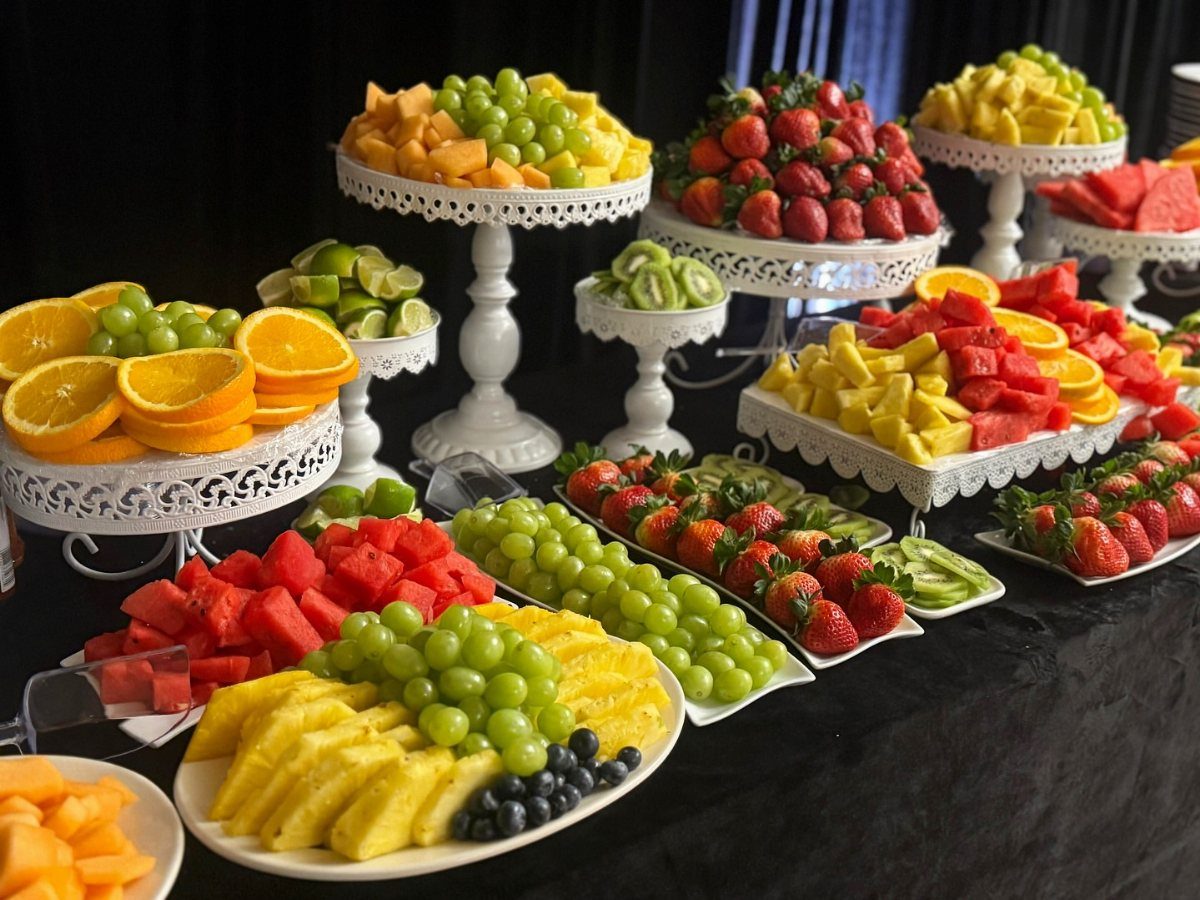
Several fruit platters at different heights beat a single bowl, because guests can eat from the table itself. Mix tiered stands with flat platters, and keep each fruit in its own section so the colors read clearly.
Store-bought cut fruit works fine if you need to save time. A black or dark tablecloth makes strawberries, melon and pineapple look brighter, and white stands keep it from feeling heavy.
9. Place Cards
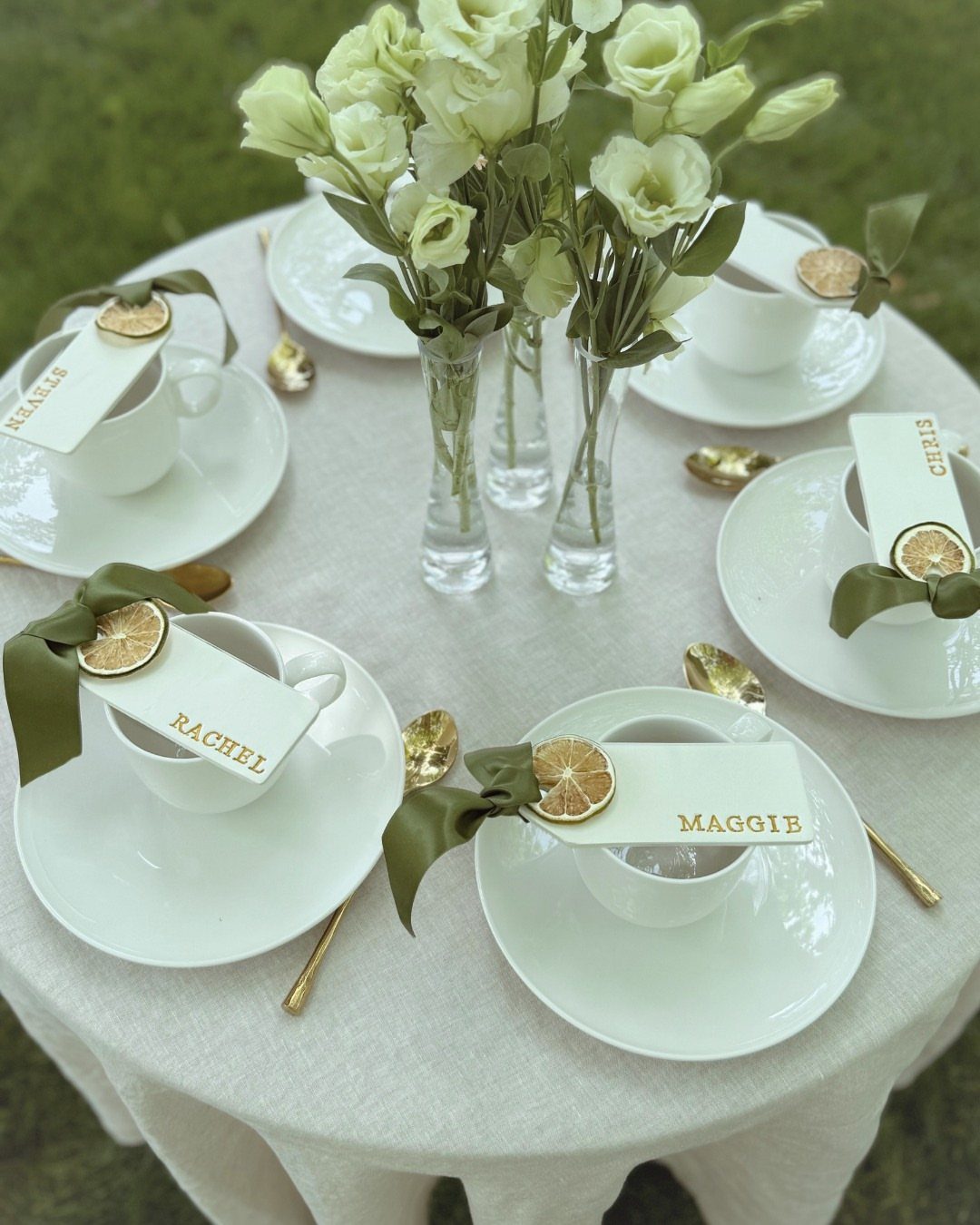
Names on place cards save guests the awkward hovering, and they let you split couples or seat a shy cousin beside someone talkative. Tie each card on with ribbon and slip a dried lemon slice under the knot.
Dry the slices ahead of time so nothing is left to do on party day. Write names in clear lettering, since guests read them from a few feet away.
10. Table Numbers
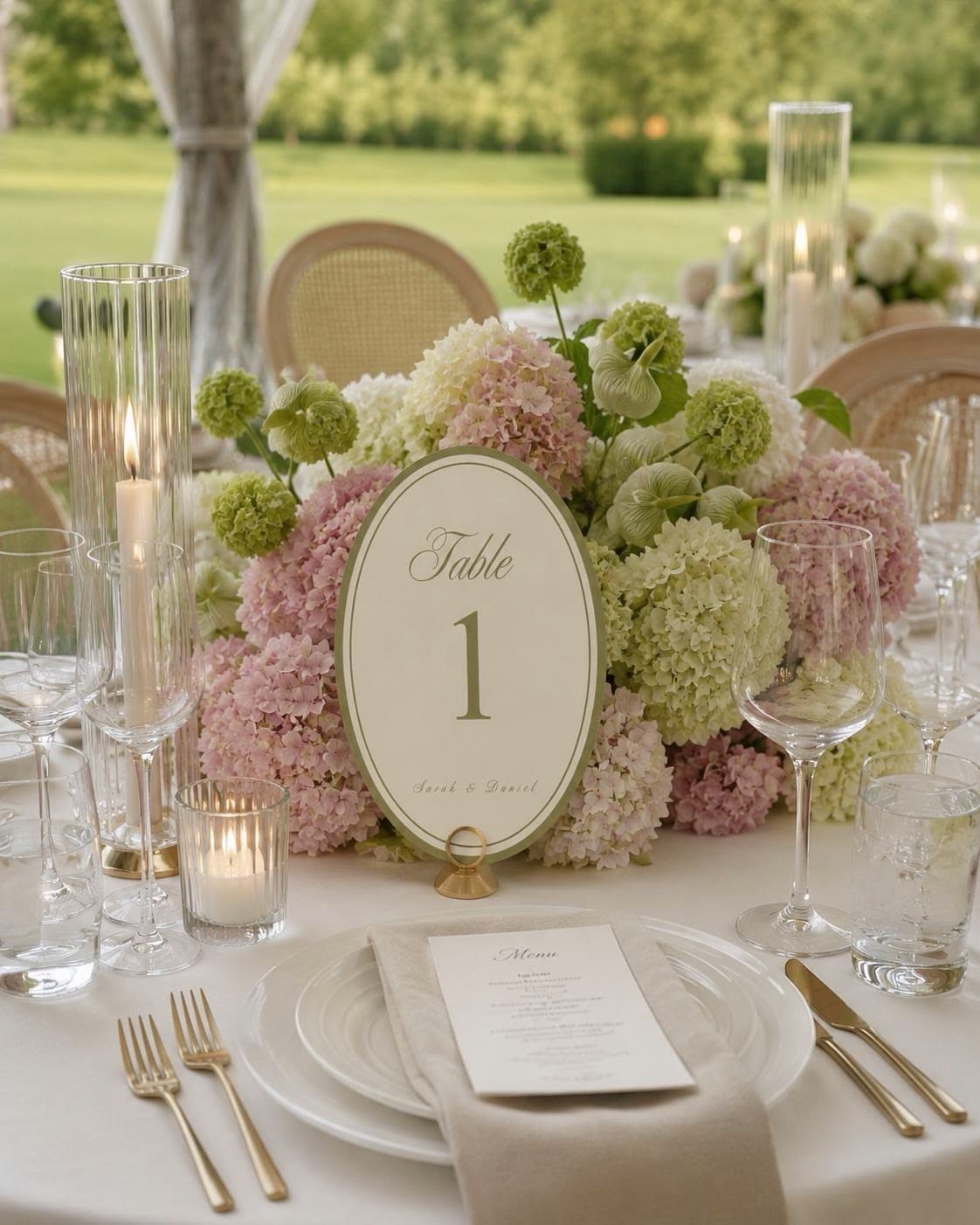
A table number only works if guests can spot it from across the lawn, so go bigger than you think and set it above the flowers. An oval sign with the number and the hosts’ names doubles as decor.
Place it at the center, facing the way guests will approach. If a seating chart is posted nearby, keep the numbering simple and in order.
11. Pumpkins for Fall
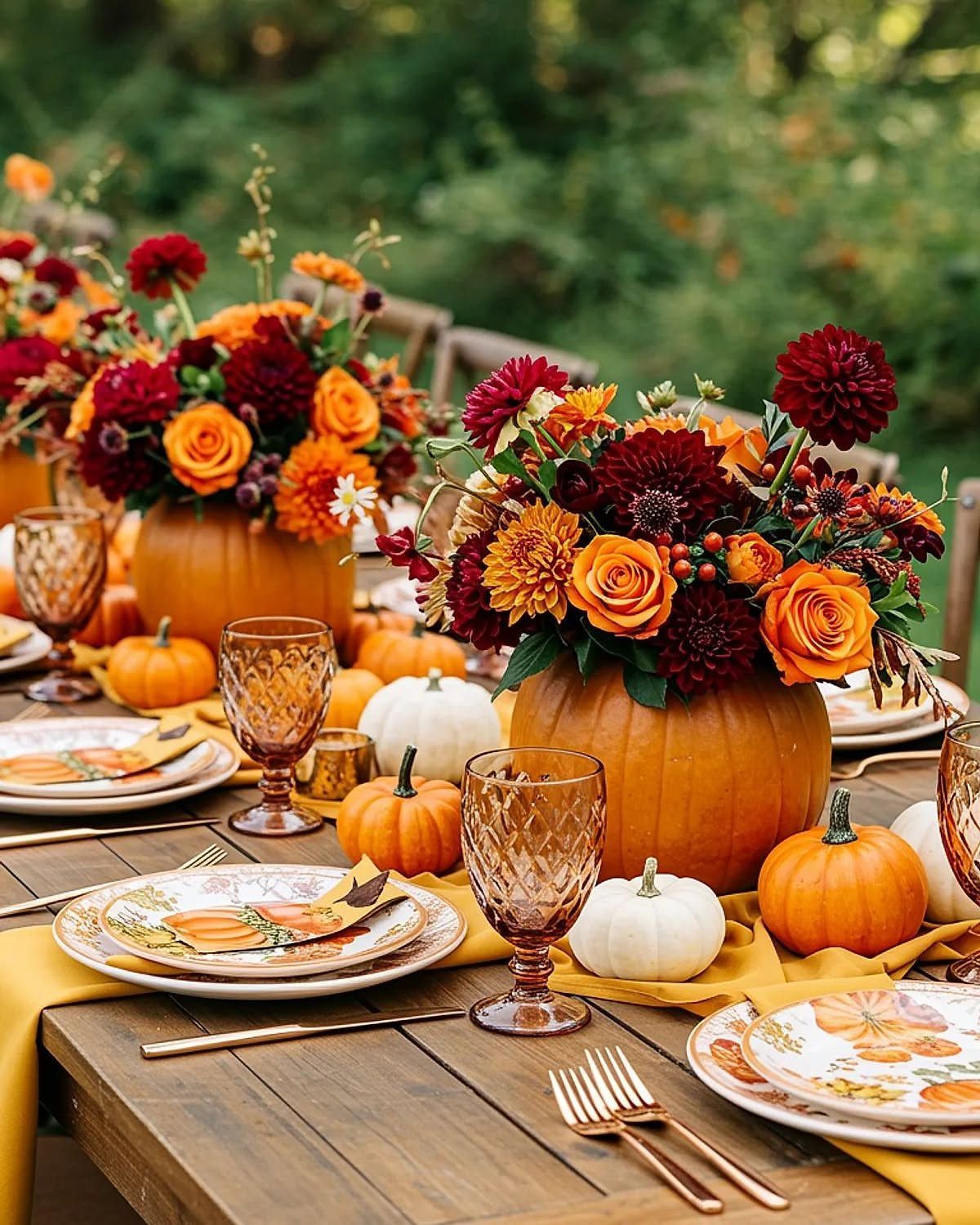
Hollow a pumpkin and it becomes a vase, which is cheaper than buying a vessel and fits the season on its own. Set a glass or small jar inside to hold water, then fill it with orange and red flowers.
Add a few small pumpkins down the table to repeat the shape. I would carve and set them up the day of, since cut pumpkins soften.
12. Personalized Napkins
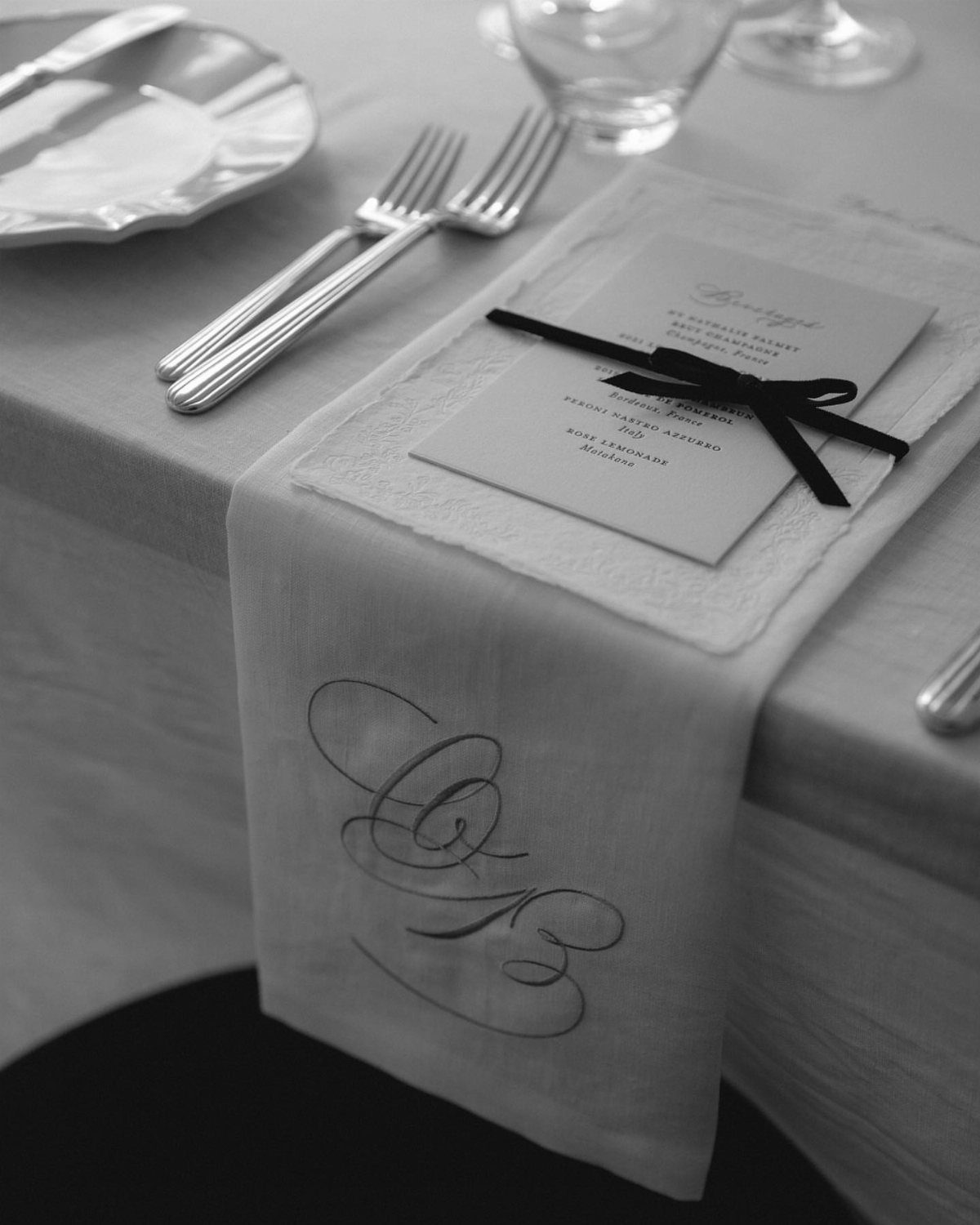
A monogrammed napkin tells each guest a seat was set for them, and it works as a place card too.
Stick to white linen with a single-color thread, which keeps it formal without fuss. Embroidery takes time to order, so start weeks ahead; for a quick version, tie on a ribbon and a handwritten tag.
13. Elongated Designs for Rectangular Tables
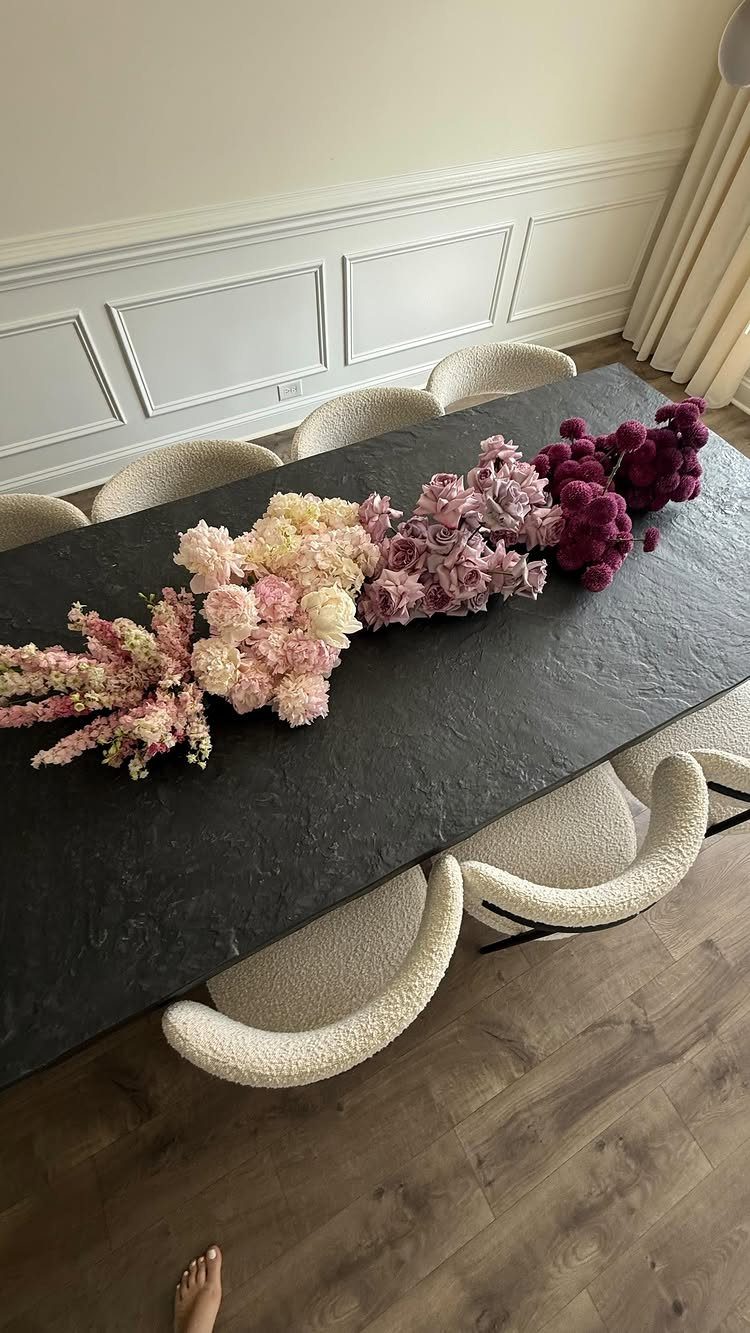
One long arrangement that runs the length of a rectangular table suits the shape better than a row of separate pieces. Pink, cream and purple blooms blended into a single band against a dark tabletop read as one deliberate line.
Build it low, so guests can see across it and still pass dishes around it. Leave a few inches of bare table at each end so plates and glasses don’t crowd the flowers.
For a tighter budget, I’d blend a couple of colors rather than many, and fill the length with greenery.
Choosing the Right Table Decorations
Start with the occasion, because it sets the level of formality. A wedding table can take polished, layered pieces with some height and shine, while a backyard supper looks better with plain, relaxed things like wood, burlap and loose greenery.
Think about who is sitting there.
A family-friendly crowd needs durable pieces that won’t break when a kid bumps the table, while a formal group will appreciate refined, intricate details. Potted plants and biodegradable materials suit guests who care about sustainability.
Under a tent or out in the open air, I pick low, heavy pieces with a wide base, because a light vase of tall stems will go over the first time the breeze picks up.
Indoors, you can go more delicate.
If guests will play table games or write messages, keep centerpieces minimal so the surface stays usable. Decide early whether the pieces are single-use or meant to be reused, since that changes what you buy.
Budget-Friendly Options
A low-budget DIY setup built from upcycled bottles, simple flowers and paper elements is the cheapest route. A mid-range version with a fruit bowl, moss and lanterns, or mini-terrariums, runs about $15–40 and takes 30–60 minutes per table.
Paper blooms cut from colored sheets or yellowed book pages run a fraction of the price of fresh stems, and they never wilt, so you can make them a week ahead.
Cut a few sizes and shapes so the bunch looks full, tuck in green paper leaves, and drop the stems into plain glass vases.
Origami cranes, flowers or stars folded in your party colors look good set in a simple bowl or tied with thread to small branches.
Paint bottles and mason jars in your colors, mix heights, and hang tags on them as table numbers.
Lighting and Ambiance
Check the room’s light before choosing anything.
Bright daylight and fluorescent tubes wash out deep tones, so I go with white or pale pastel arrangements and add a few small spots of strong color. In a dim room, simple white candles add warmth.
Light can be the whole centerpiece: a cluster of candles or a lit branch gives the table a focal point without any flowers.
Tealights and string lights add depth and warmth, and uplights can wash the surroundings in glow.
Outside, battery or solar lights are the safe choice, and anything that needs a plug is a problem when the nearest outlet is across the yard.
For a quick glow, put battery-powered fairy lights inside clear bottles or mason jars. A light coat of frosting spray on clear glass softens the glow, and grouping jars and votives of different sizes looks better than a neat row.
Frequently Asked Questions
What can I put on my table for decoration?
Low flowers, candles, and fruit are the easiest places to start. Pink roses and gerbera daisies with green grapes tucked between them look full for less money, and floating candles in glass cylinders need almost no styling.
Keep everything low enough that guests can see over it and talk across the table.
What are some good themes for decorating a table?
Match the theme to the occasion. Formal dinners suit layered arrangements with height and a little gleam, but a casual backyard supper looks right with raw wood, burlap, and greenery that spills a bit.
Seasonal themes work too: a hollowed pumpkin filled with orange and red flowers suits fall.
How do I arrange a small table?
A low, compact centerpiece leaves room for plates, glasses, and the serving dishes that have to share the surface.
A small gold lamp among a few blooms, or several small vases of different colors grouped on a tray, gives you a focal point without crowding.
Pick a piece that glows or catches light by itself, like a mirrored tray or a string of tiny bulbs, so it stands in for candles.
How do I decorate a long rectangular table?
One low arrangement stretched along the center reads cleaner than a line of separate vases, and it leaves more room for food.
Mix pink, cream, and purple flowers into one continuous band, and stop it 3–4 inches short of each end of the table.
If money is tight, narrow the palette to one or two colors and let cut greenery cover most of the distance.
How can I decorate a table on a tight budget?
Upcycled jars, paper flowers, and citrus are the cheapest routes. Days before the party, paint the bottom of a clean jar, tie twine around the neck, and fill it with white faux flowers and a few sprigs of greenery.
Step up to a fruit bowl, a layer of moss, and a few lanterns and you will spend roughly $15–40 and about 30–60 minutes on each table.





