The 9 dinner table arrangements here range from a few white blooms in jars to a burgundy runner with gold plates and red taper candles, and most of them cost less in effort than they look.
The room and table you already own should pick for you: worn wood in a farmhouse space wants Coordinated Table Linens and natural pieces like Greenery Centerpieces, while a plain room can handle the bolder Deep Burgundy and Gold Elements.
1. Fresh Flowers in Vases
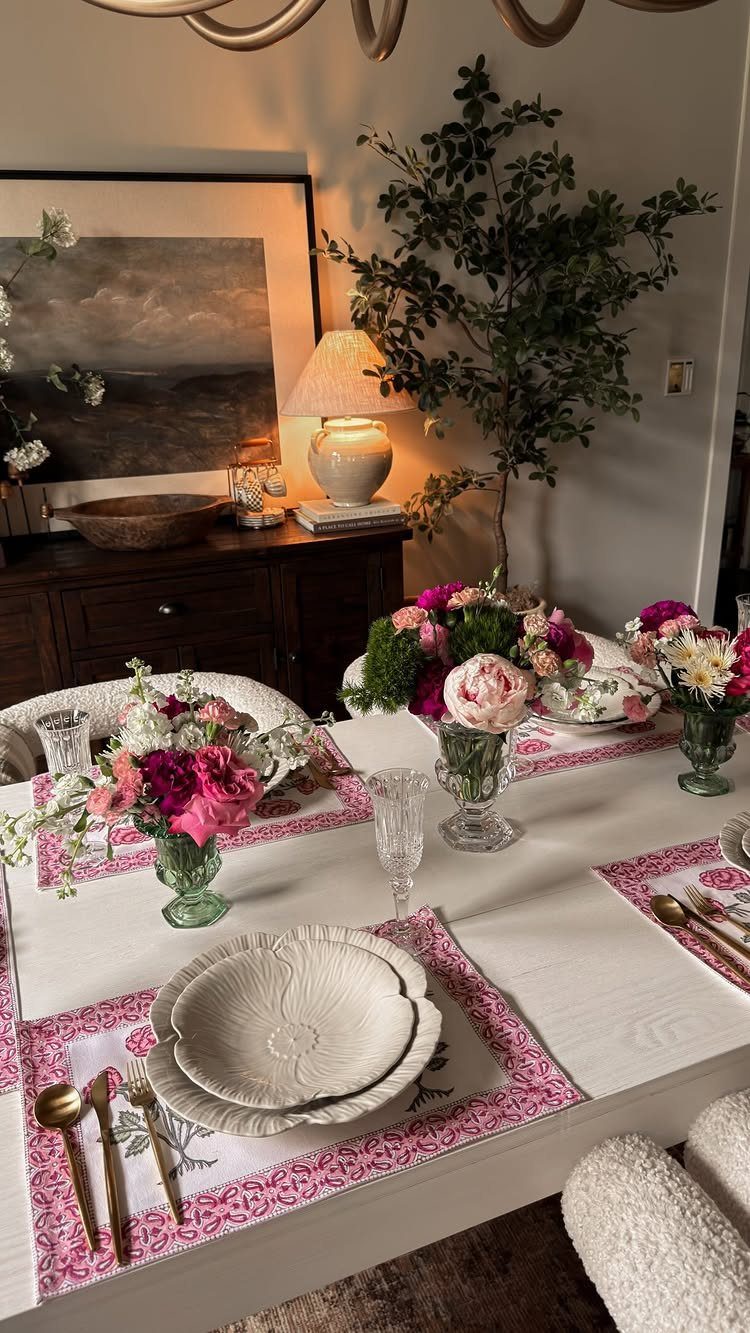
Several small vases beat one big arrangement on a dinner table. Spread down the center of the table, low vases leave sightlines open so everyone can look across the plates and talk.
Pink and purple blooms against pink placemats read as one palette, so pick flowers in the same family as your linens.
Fresh gives you softness and scent; dried works if you want to set the table days ahead. Mix in a few clear glass vases at different heights and the table looks collected, not fussy.
Whether you pull together hundreds of seasonal wedding flowers, embrace candlelit table arrangements, or curate antique vessels to place on your tables, the result will inevitably impact the overall feel of your wedding events.
— Vogue
2. Coordinated Table Linens
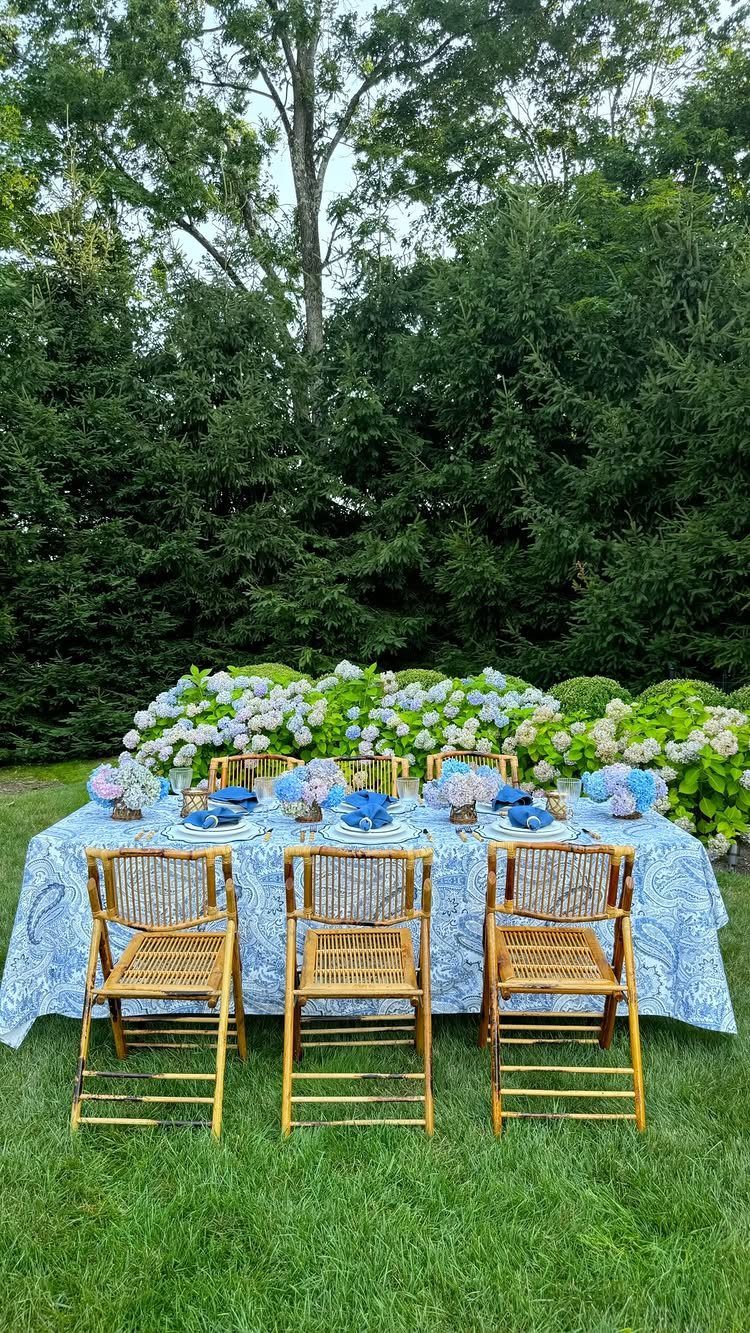
Matching napkins and tablecloth in one pattern do most of the styling work before a single dish lands. Blue and white is an easy pair because nearly any plate or flower sits comfortably on top of it.
I would pick the pattern first, then let everything else stay plain.
A busy cloth wants solid glassware and simple flowers. If buying a matched set costs too much, a patterned cloth with plain white napkins in the same shade of blue still reads as coordinated.
3. Greenery Centerpieces
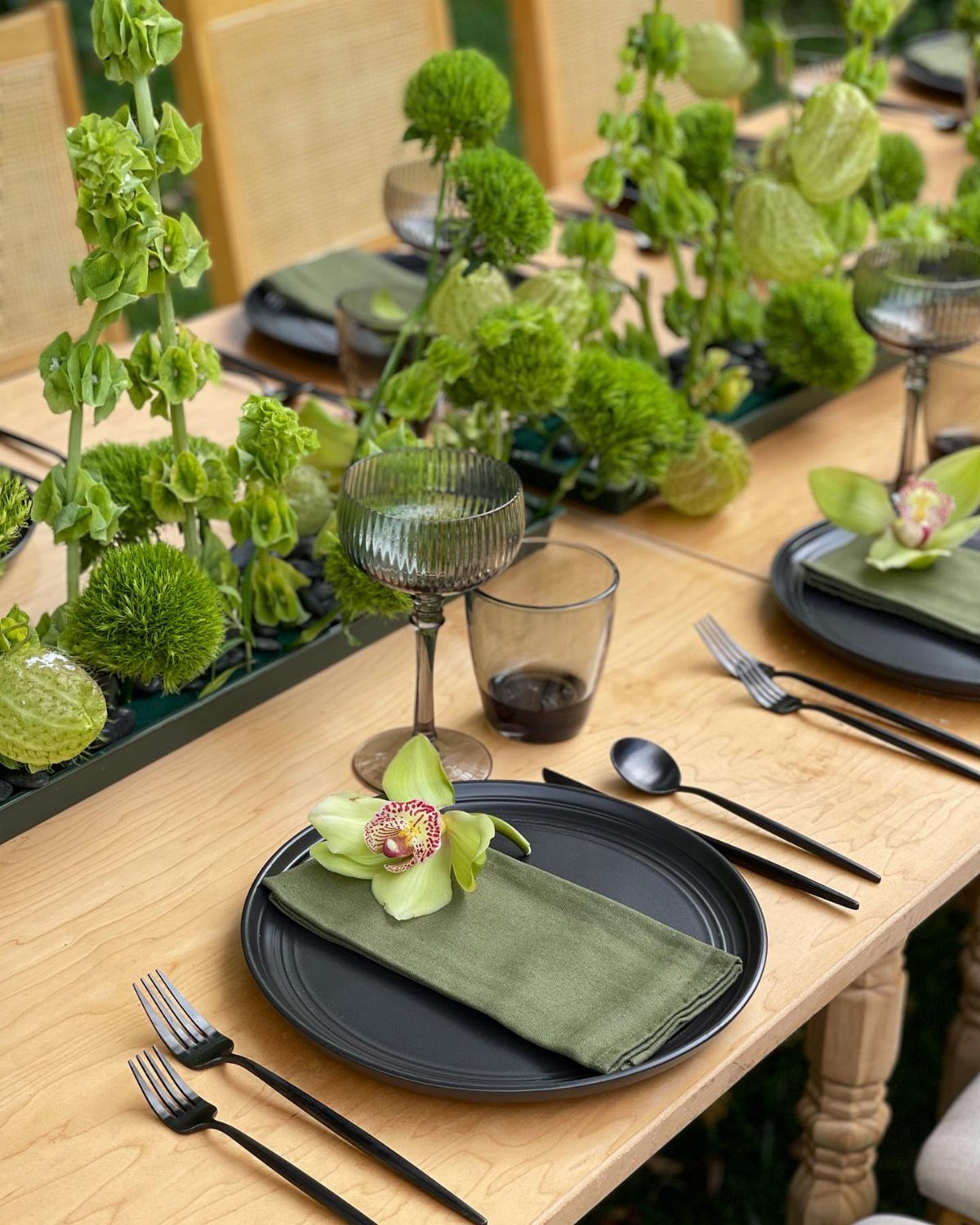
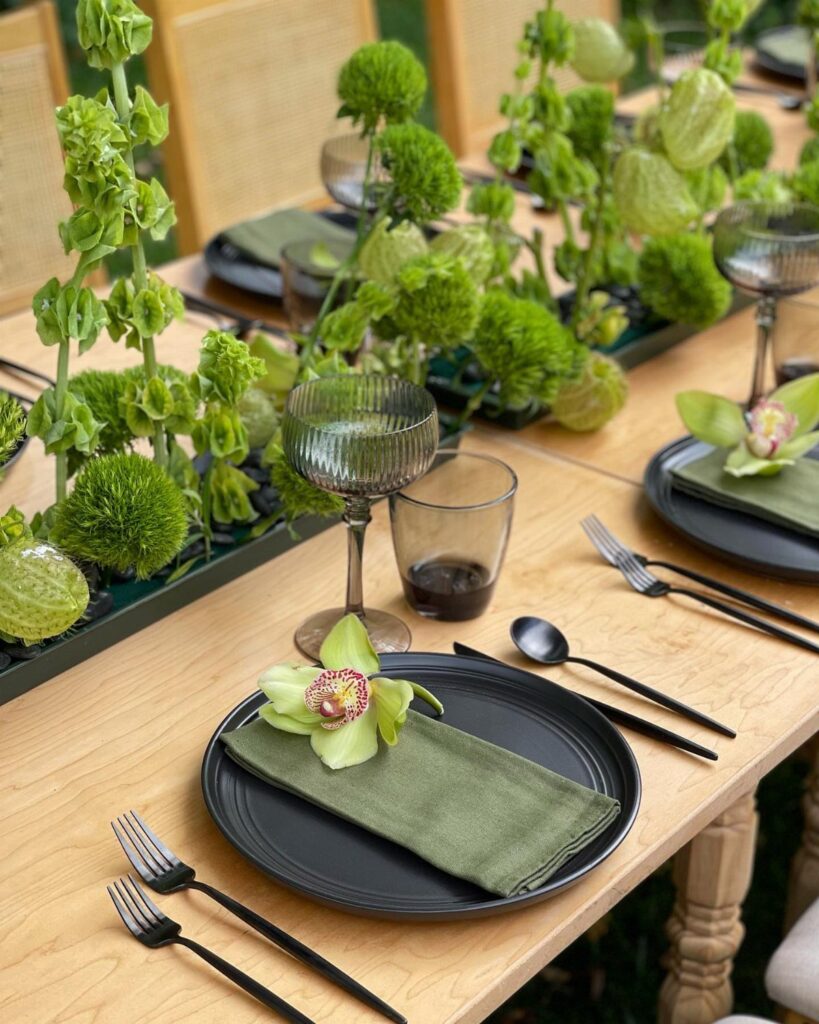
Greenery in a long, dark tray makes a centerpiece that runs the length of the table instead of crowding one spot. Mix leaf shapes and a few blooms so it looks gathered, not stiff.
Green napkins pull the plants into the place settings, a small move that ties the whole table together.
Keep the arrangement low enough to see over. A tray also protects a wooden tabletop from soil and water, so set it up on the table itself without worry.
4. Warmed Up Whites
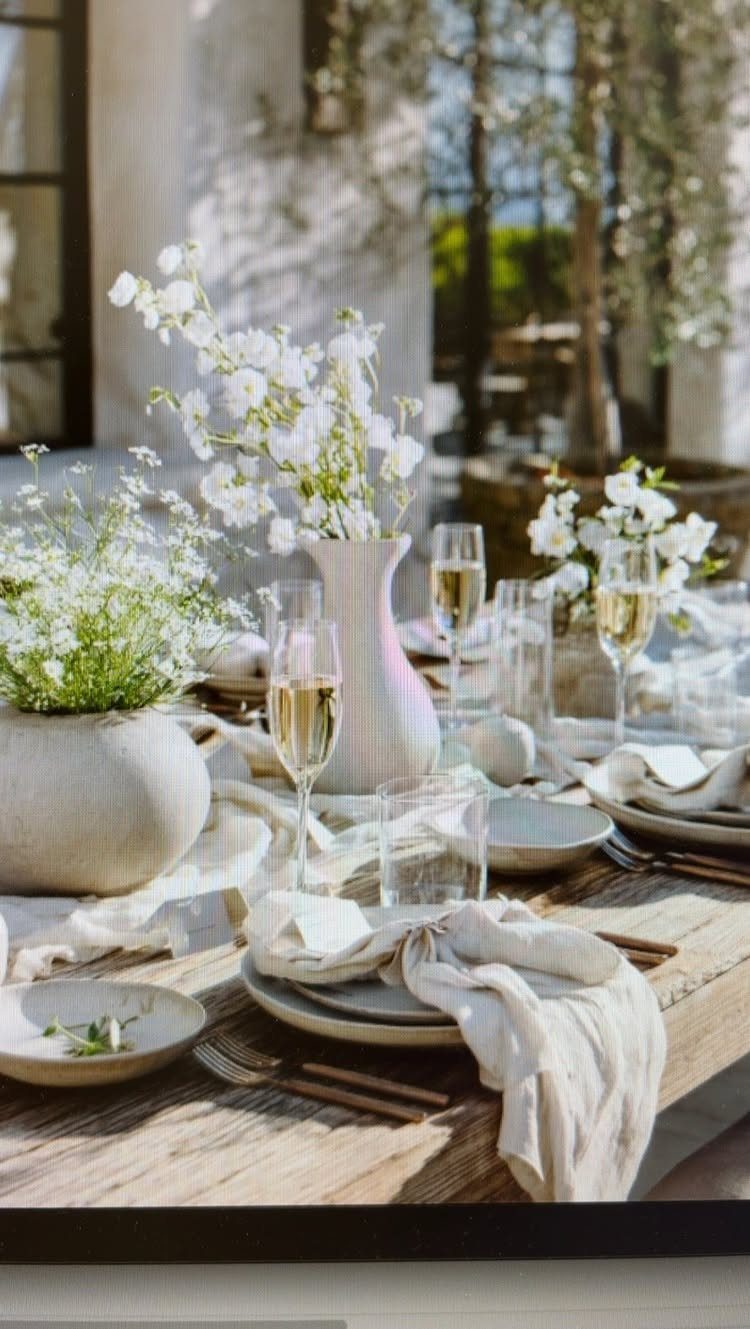
White on white can look cold, and the fix is texture. Linen napkins, glazed plates, and loose white flowers in several vases give the table warmth through material rather than color.
A rustic wooden table does the rest of the work, since the wood supplies the warmth the whites lack.
Glasses of white wine fit right in. For a budget version, skip the flowers in vases and use a few white blooms in jars, and let the linen carry the look.
5. Candlelit Charm
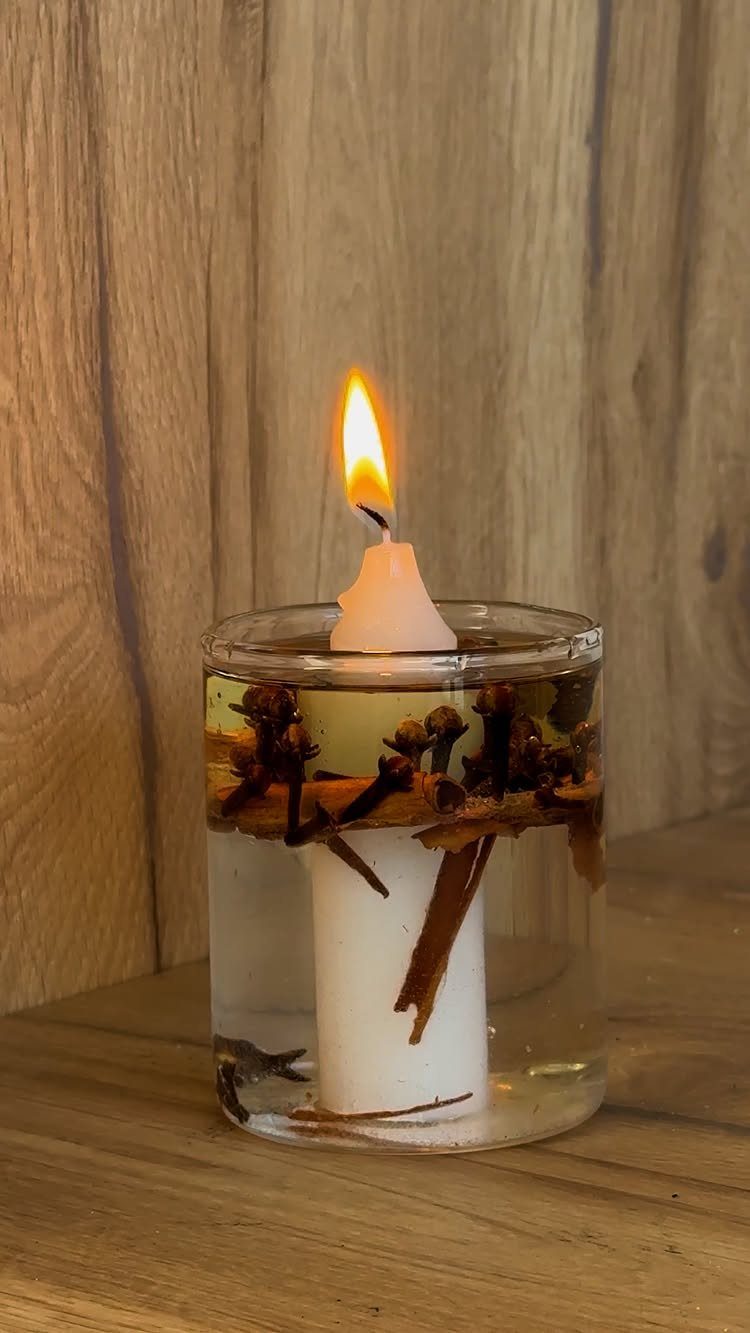
Fill the jar, drop in the spices, and set the candle on top.
I like it because the spices do the decorating, so nothing else is needed.
Cluster a few jars down the table in different sizes for a warmer glow. Keep a lit one clear of napkins and sleeves, and watch the flame as it burns low.
6. Fruit Bowl
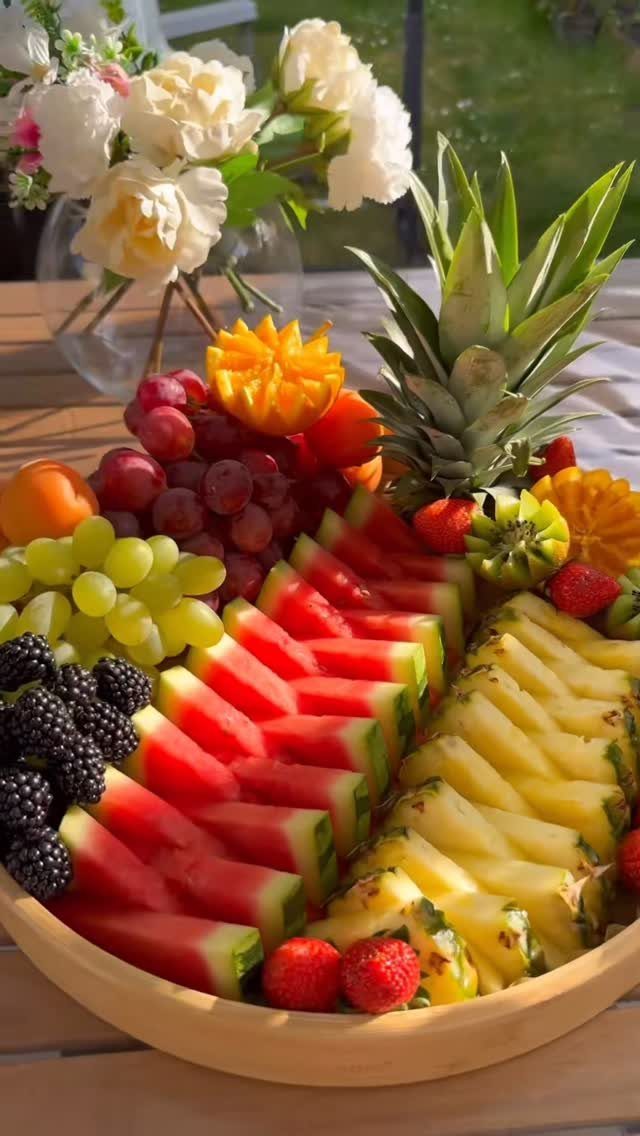
The whole pineapple top set among the slices adds height and a bit of drama.
Cut the fruit shortly before guests arrive so it stays fresh and bright.
A vase of white flowers beside the bowl makes the fruit colors stand out. Its drawback is that it gets eaten, so plan a backup centerpiece or a second bowl for refilling.
7. Scatterings of Rose Petals
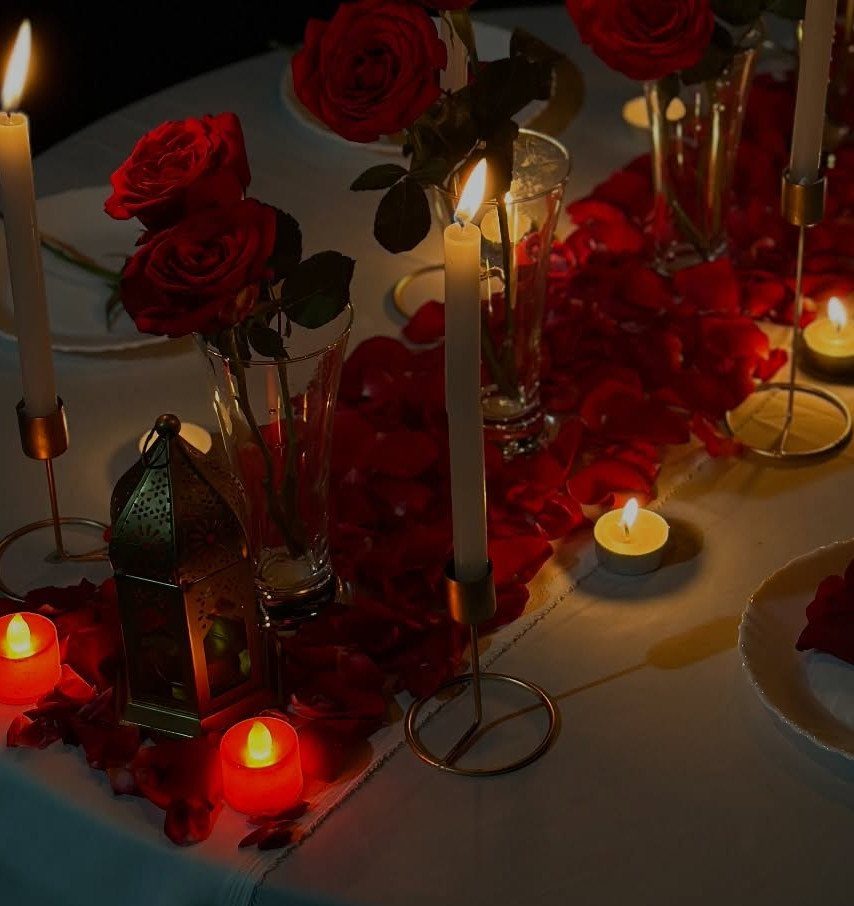
Loose petals on a white cloth cost little and read as romantic the moment the candles are lit. White gives the red its full color, so keep the cloth plain.
Scatter them by hand in small drifts between the vases and candle holders, not in an even sprinkle. Leave the plate areas clear so no one eats beside a petal.
Open roses shed the most petals, so a few extra blooms can double as your supply.
8. Autumn Pumpkins and Warm Foliage
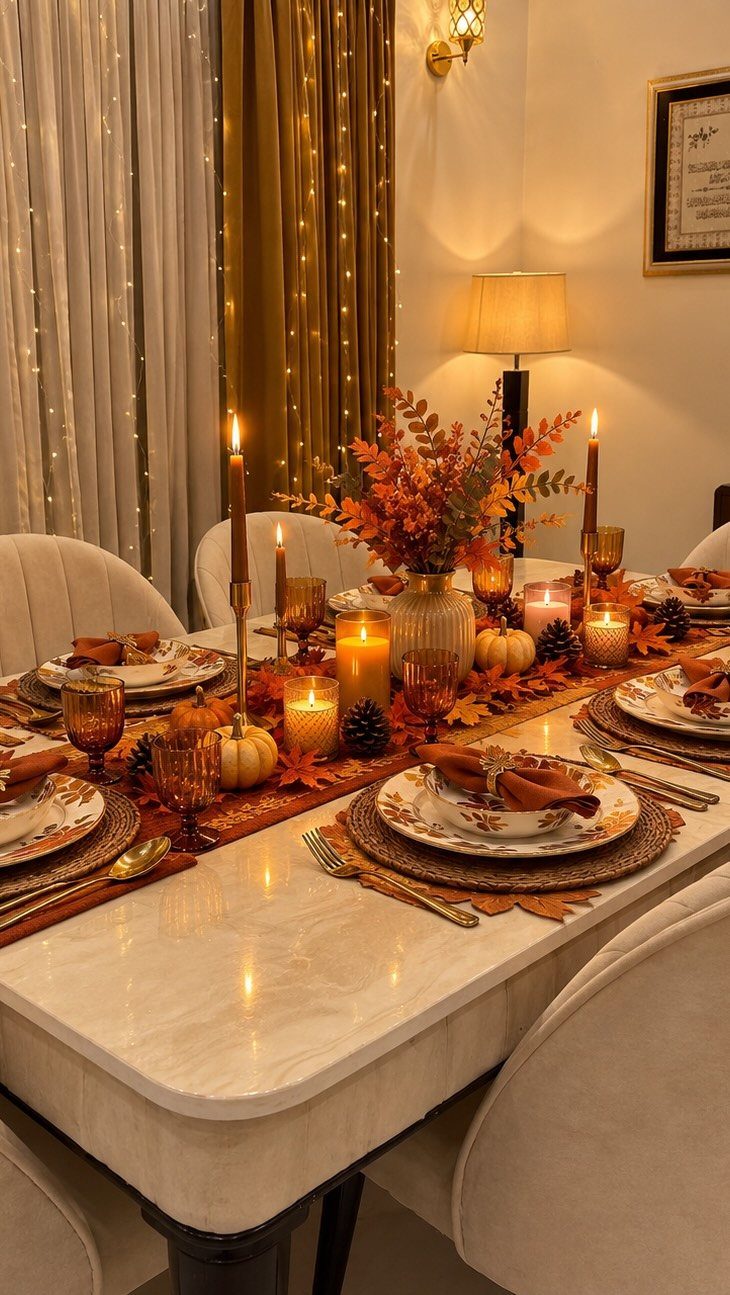
Pumpkins set low among orange leaves and candles give a fall table its whole look with very little cooking-style effort. Vary the pumpkin sizes so the line along the table rises and falls.
Lay the foliage between them to fill gaps, and tuck the candles in last so the flames sit near the leaves’ warm color. Keep any lit candle away from dry foliage, since dry leaves catch easily.
I would choose real pumpkins over craft ones, mainly for the uneven shapes.
9. Deep Burgundy and Gold Elements
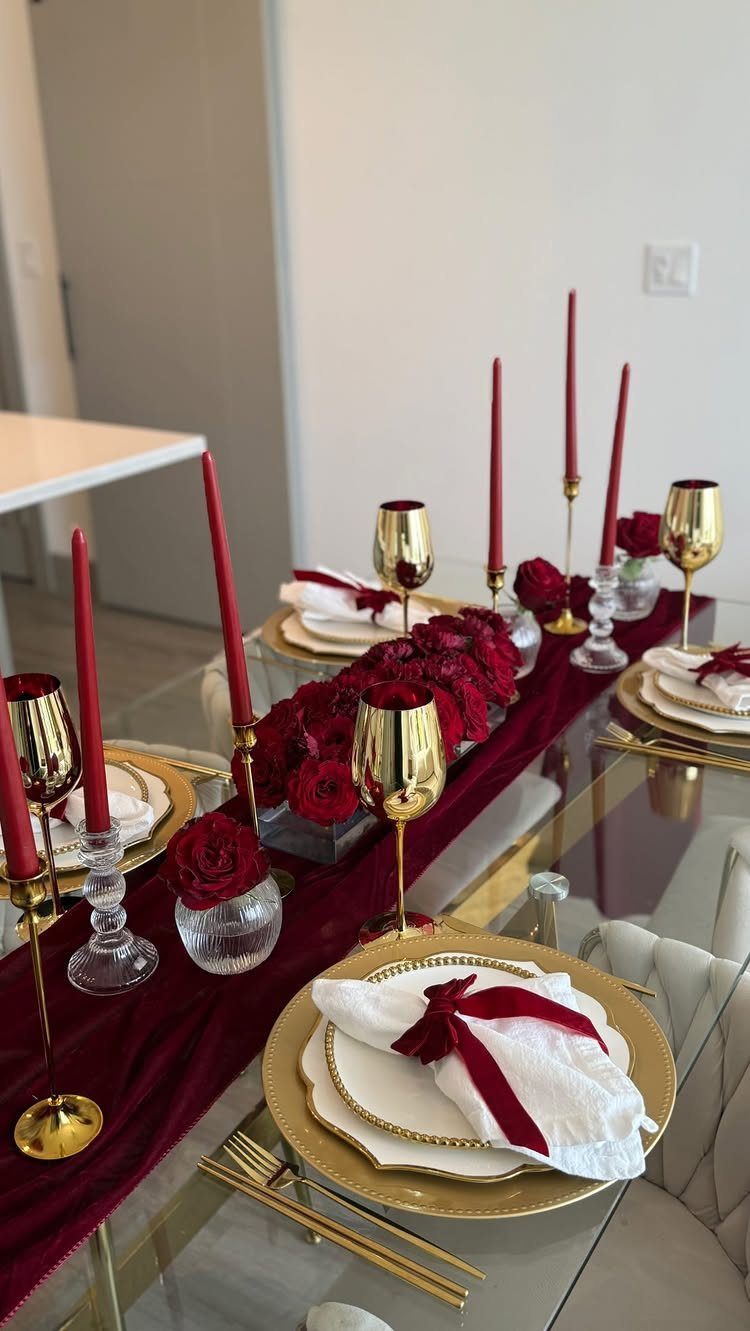
Burgundy against gold looks formal without needing a single fussy touch. A runner in deep red does the heavy lifting, and gold plates and glasses answer it.
Red roses in one centerpiece plus a few small vases repeat the runner’s color, and red taper candles carry it up to eye level.
Let the burgundy and gold carry the table, and keep everything else quiet: simple napkins, plain flatware, and a few unscented candles.
A glass tabletop lets the runner stand out, so on a wood table I would use the same runner and expect a warmer, heavier result. Gold-rimmed plates are a cheaper way in than full gold sets.
Cohesive Home Decor
Look at the room around the table before you buy anything.
A farmhouse space with worn wood and woven baskets wants natural materials like wood, stone, and linen, while a sleek modern room can take a single ceramic piece with clean lines.
On ordinary nights, a clear, tidy surface matters more than decor, because the table still has to hold plates and elbows.
One small, natural piece in the middle is plenty, and it should move aside in seconds when plates come out.
If you are unsure, borrow from what already sits in sight: the wood tone of a nearby shelf, or the metal on a light fixture.
Repeating one material from the room ties the table to the space without any matching sets.
Height Variation
A flat table looks flat, even with lovely pieces on it. A footed tray or a footed container lifts one element above the rest, and on a round table it gives the middle a natural focal point.
Put the tallest piece in the center and let smaller items step down around it. I like a footed tray holding a few candles or small objects, since it adds height without needing a big arrangement.
Check the sightlines once you are done. Sit down in a chair and check your sightline to the person opposite; if the tallest piece blocks it, lower it or slide it to one side.
Color Palette Consideration
Start with the room’s mood, then pick colors to match it. A calm, neutral dining room suits a tight palette of 2 or 3 shades, while a bright room can handle bolder color if you keep the rest quiet.
Let one color lead and use the others in small doses.
If the walls or rug already make a strong statement, stay in the same color family for the tabletop; if the room is plain, let the table supply the color.
Test it in the room’s real light before guests arrive. Colors look different at night under lamps than they do by a window at noon.





