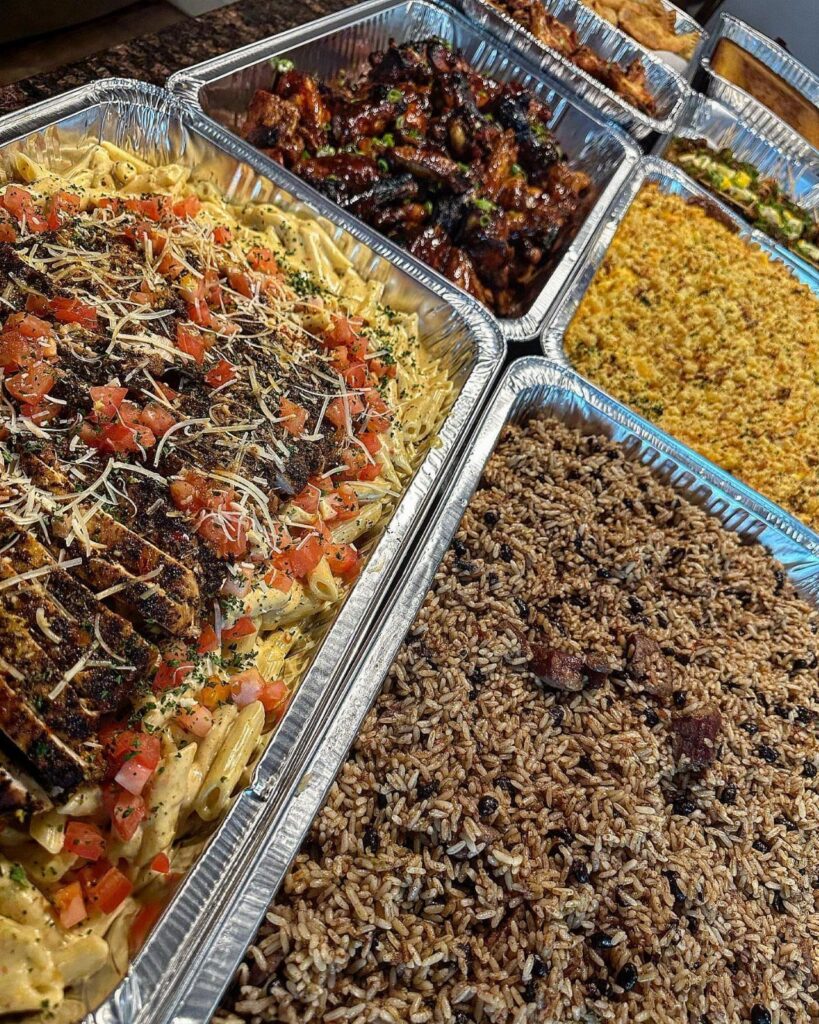
Catering quotes run from $10 to $180 per person, and guest count decides which style makes sense: a table of 12 or fewer suits a private chef or family-style platters, while a longer list calls for a buffet, a cocktail spread, or a food truck.
Whatever you pick, plan the dietary plates before you request a single quote.
1. Drop-Off Catering
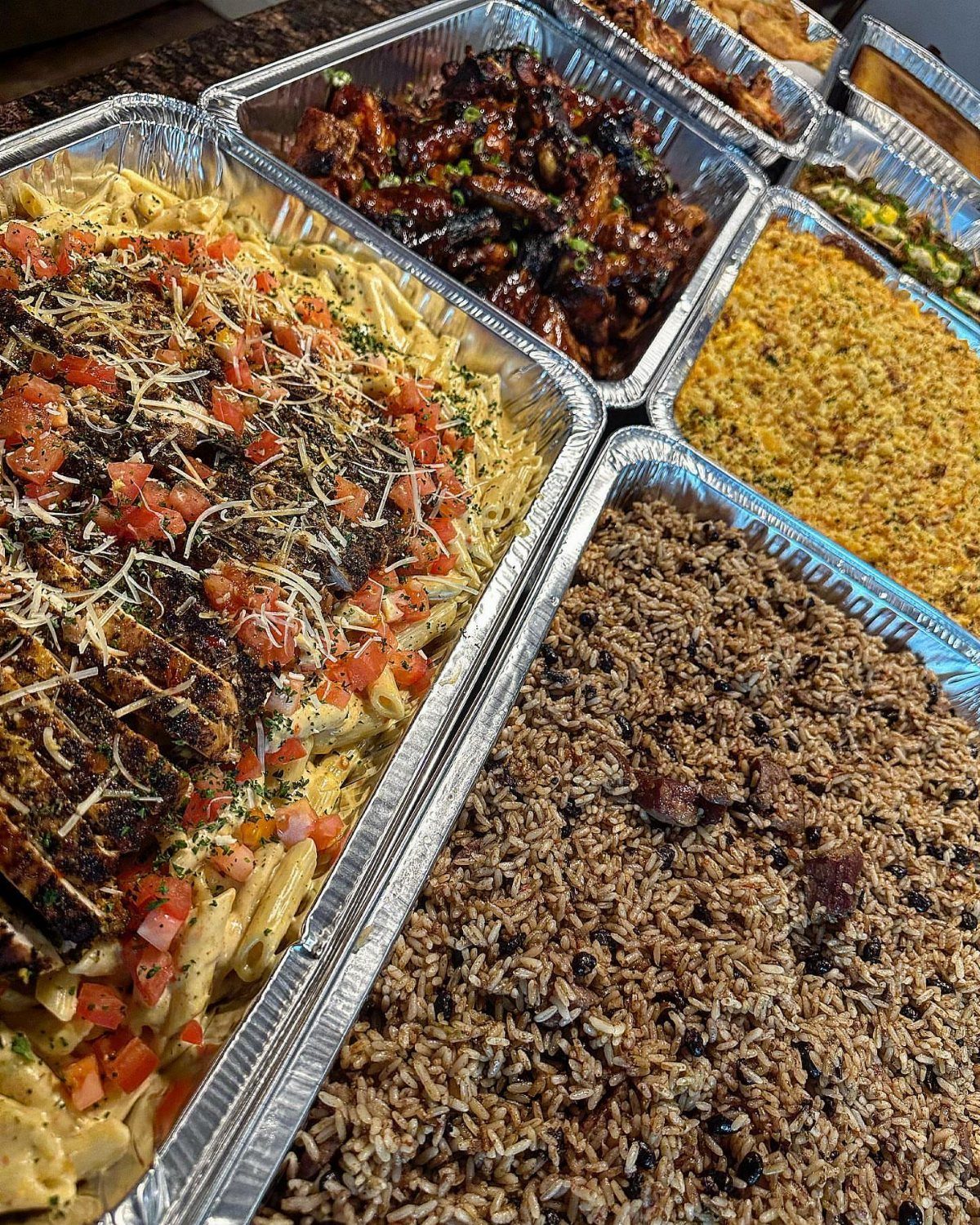
Foil trays of pasta, rice, and a glazed meat arrive hot or ready to heat, which is why drop-off is the cheapest way to skip the stove.
You pay for the food and the delivery, not for a server standing in your kitchen.
Order a starch, a protein, and one vegetable, then add a salad you toss yourself. Set out your own serving spoons and warm plates, and the trays stop looking like takeout.
I’d pick this for a relaxed dinner where the host wants to sit down with everyone.
2. Private Chef Dining Experience
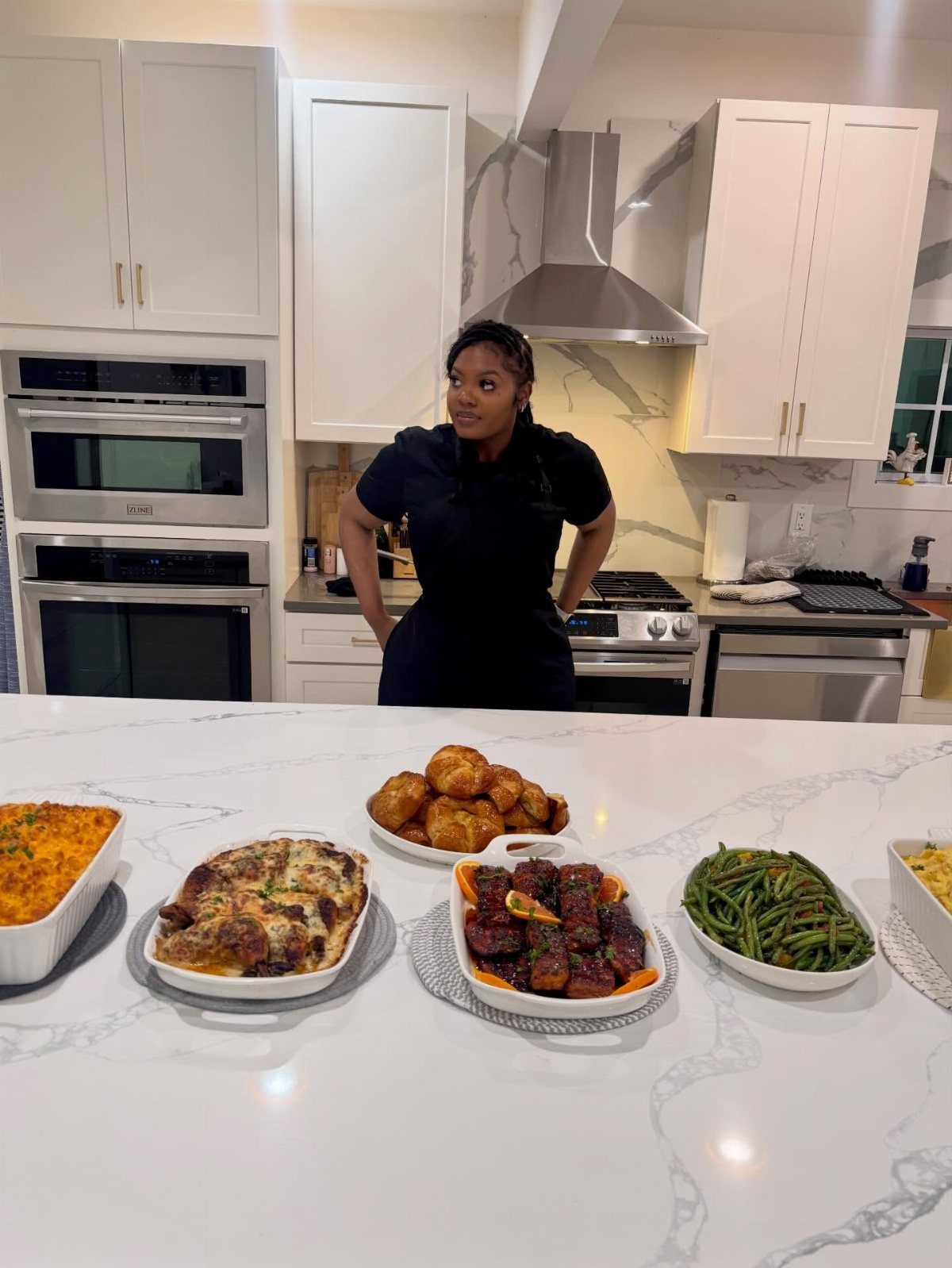
A chef in your own kitchen cooks the menu course by course, so the dinner feels like a restaurant night without the reservation. Dietary needs are easiest to handle here, because the menu is built around your guests.
Tell the chef about every allergy and restriction before the menu is set. Clear counter space, since plating happens in your kitchen.
Expect to pay more per guest than with trays. For a small table, I think it’s the one option that feels truly personal.
Or you can buy a ticket to a dinner at a private apartment, which costs $195 per person.
— Eater
3. Family-Style Catering
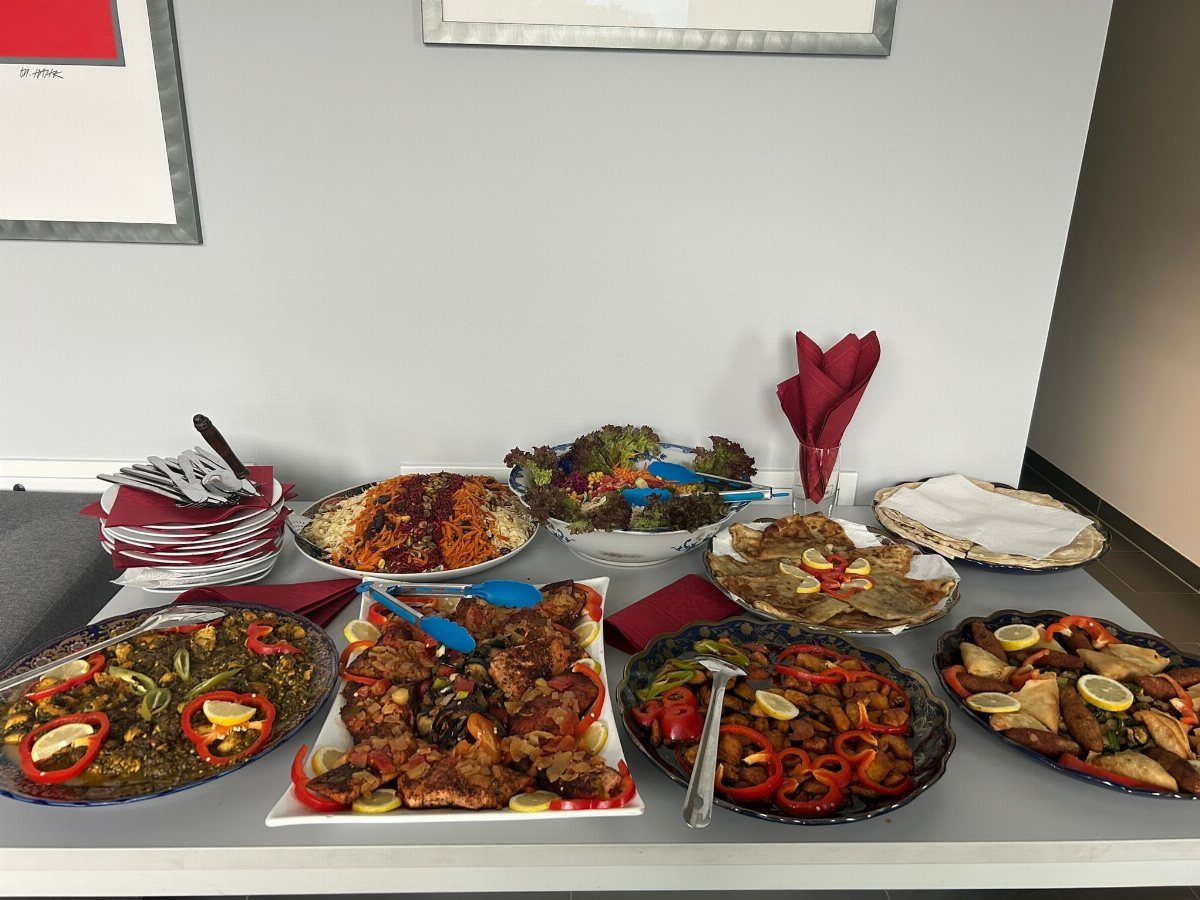
Big platters of grilled meat and vegetables, plus a salad bowl, go to the center of the table and guests pass them around. People serve themselves at their own pace, which keeps conversation going.
Plan the table first.
Platters need room, so leave a clear stretch down the middle and skip tall centerpieces. Stack plates at one end and put napkins within reach.
Family-style works best for a seated group. Past that, the platters run out of table, and a buffet is easier.
4. Buffet-Style Catering
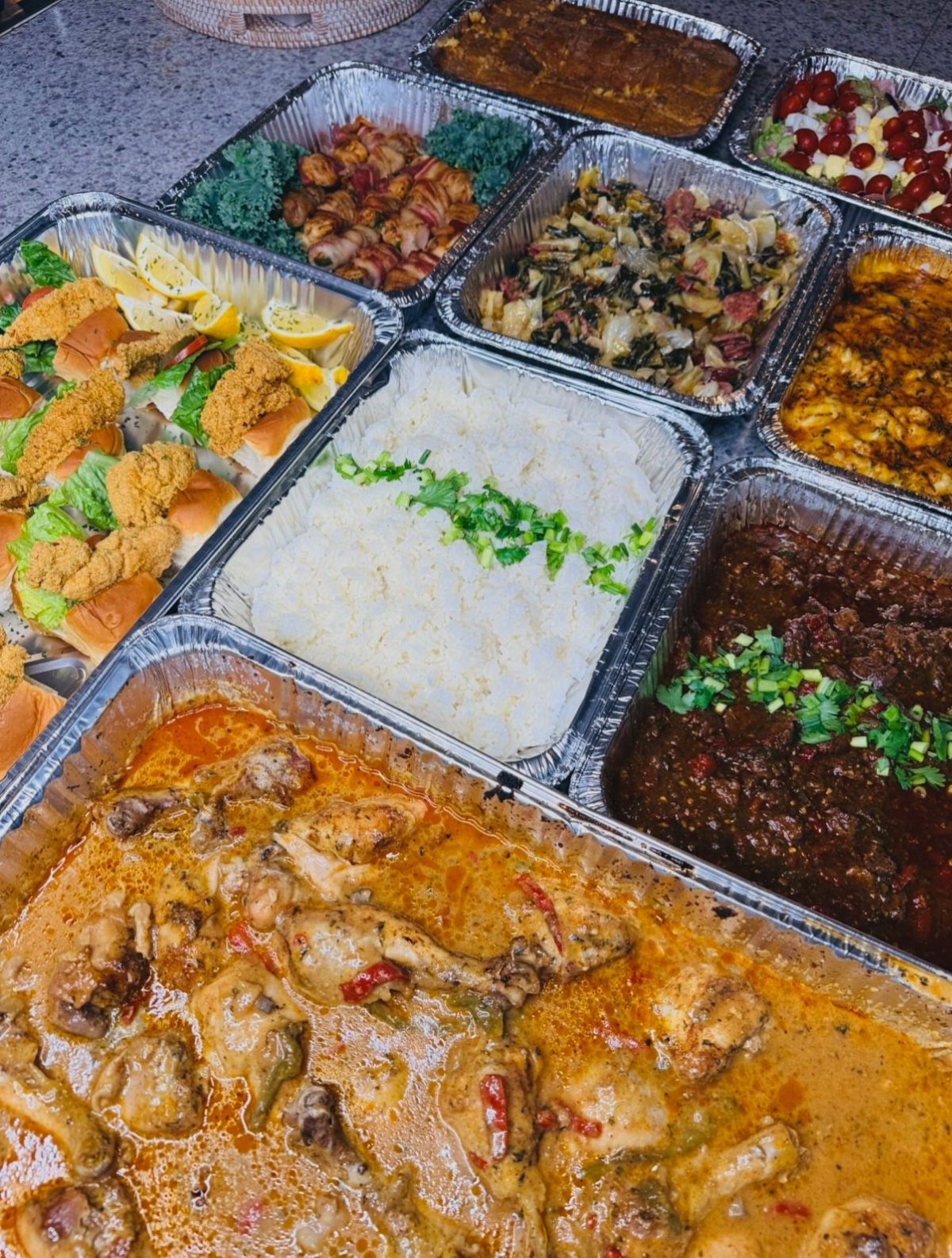
Trays of chicken, rice, sliders, and stew set on a counter let a crowd serve itself, and nobody sits waiting on a plate. A mix of dishes also covers picky eaters and different diets with no extra effort.
Set the line up so it flows one way: plates first, mains in the middle, napkins and utensils at the end. Label each tray, especially for allergens.
I like a buffet when the guest list is long. For a small, sit-down dinner it can feel like a work lunch.
5. Dessert Stations
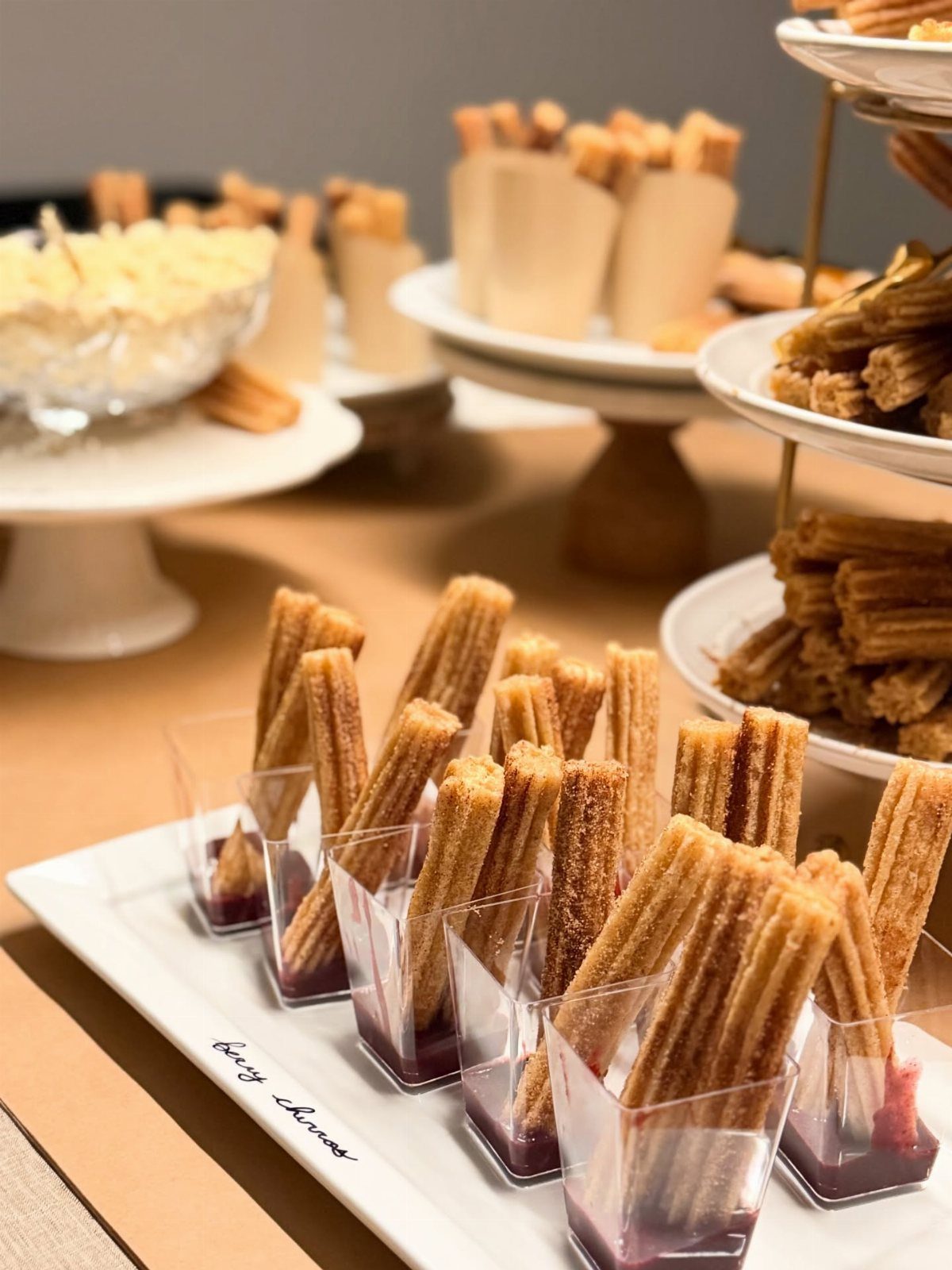
Mini churros in clear cups of berry dip sit beside popcorn and other small sweets, and guests pick a few instead of committing to one slice of cake. Single-serve cups mean no cutting, no plates, and no sticky serving spoons.
Choose items with different textures: something fried, something creamy, something fruity. Label each one on a small card.
I’d order the dip cups from the caterer and add the popcorn yourself, since that’s the cheap part.
6. Cocktail Party Catering
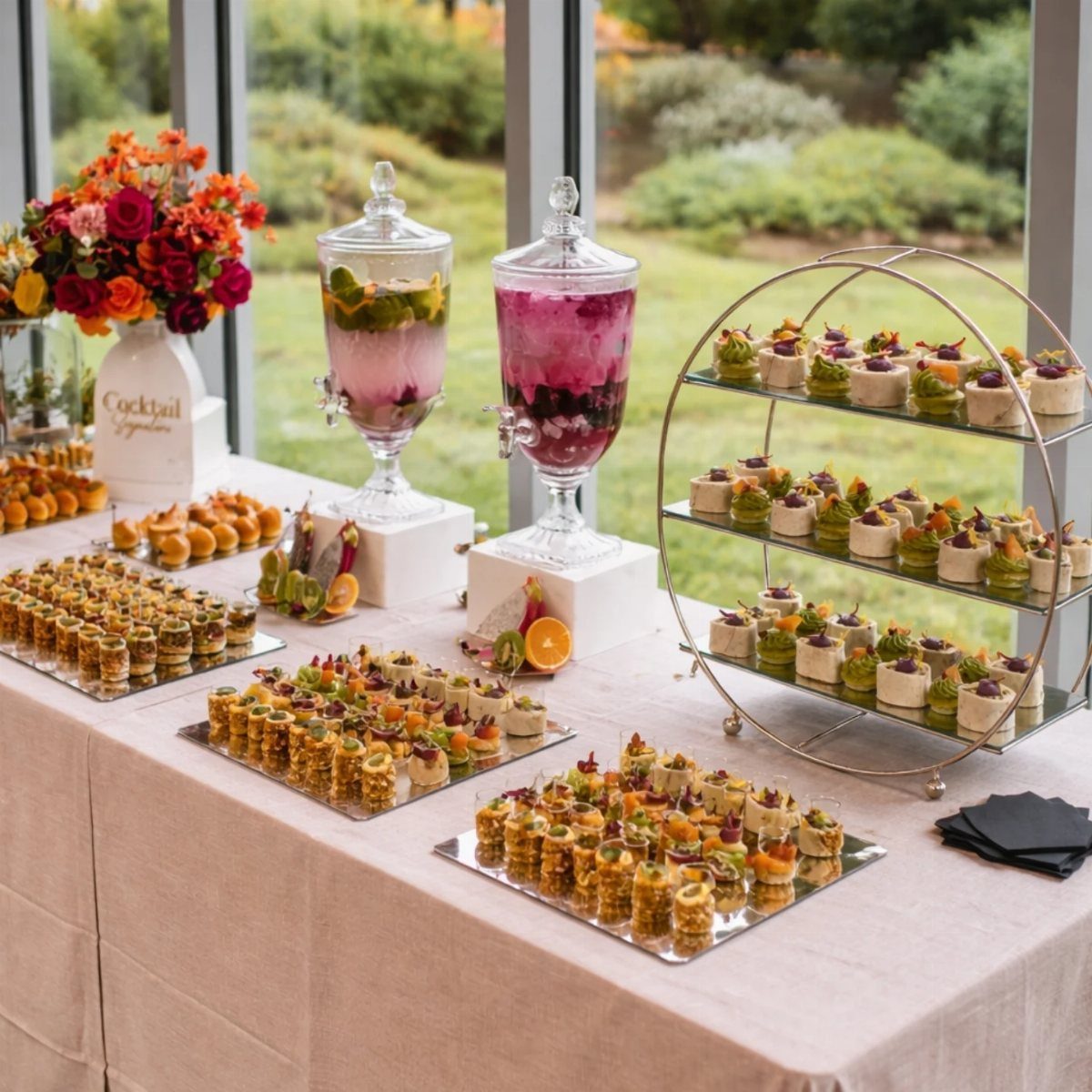
Trays of small bites, a tiered stand of hors d’oeuvres, and 2 drink dispensers with fruit make a full party without a single sit-down course. Guests stand, mingle, and eat with one hand.
Put the drinks at one end of the table and the food at the other so people spread out. Name one signature drink on a sign and keep the rest simple.
For a casual crowd, I find this the easiest option to host. Add a few heartier bites, though, or guests leave hungry.
7. Catered Food Truck
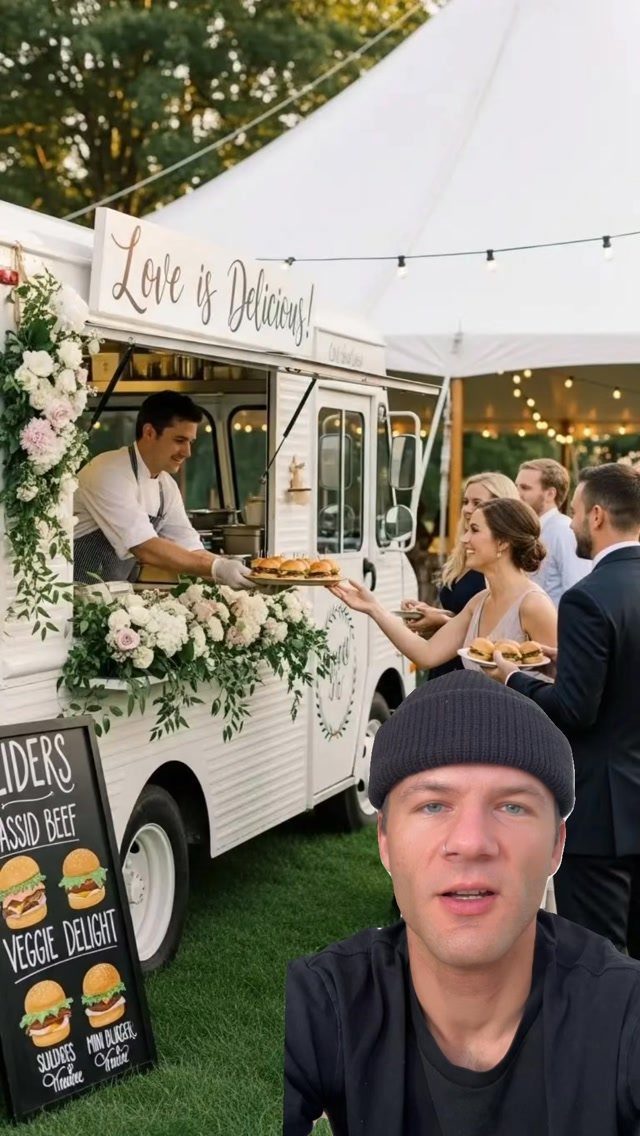
A food truck parked at the edge of the lawn serves sliders made to order, so guests get hot food from a window instead of a tray.
The menu board does the explaining, and the line itself becomes part of the party.
Set up a tent beside the truck so people have shade and a place to eat.
Keep the menu short, since a window moves faster with a few choices. Ask the truck whether a vegetarian option is on it before you book.
Because a truck needs level ground and room to park, check your yard first. A food truck suits a relaxed backyard party best, especially when guests would rather graze and mingle than sit through a plated meal.
Catering Cost Considerations
Catering runs anywhere from $10 to $180 per person, and the gap comes from three things: the kind of event, the cuisine, and the number of guests. Settle those before you ask for a single quote.
Write down your head count and the style of meal, then request prices on the same terms from each caterer so the numbers compare fairly.
Divide the total by the number of guests to get your per-person cost, and check it against what you planned to spend.
If the total lands too high, cut the menu before you cut guests. Fewer dishes, or a simpler cuisine, bring the number down faster than most people expect.
Dietary Restrictions
Offer gluten-free, vegan, and nut-free choices at every dinner, and plan them from the start instead of patching them in later.
Gluten-free guests are easy to feed if you trade wheat flour for rice flour in sauces and batters, and cook a box of gluten-free pasta in place of the regular kind.
For vegan dishes, build around lentils, chickpeas, tofu, or tempeh, and use coconut or almond milk in place of dairy.
Pumpkin seeds, sunflower seeds, chickpeas, and lentils carry the protein on a nut-free menu, so no one at the table gets a sad side dish.
Label every dish. Note common allergens (gluten, dairy, nuts, soy, shellfish) and mark what is vegan or vegetarian, so guests can choose without asking.
Event Planning Tips
Start with the event itself. A cocktail-style birthday, a formal anniversary dinner, and a casual get-together each call for different food, and guest count, space, and overall mood should guide the choice.
Casual gatherings suit finger foods and small plates. Milestone dinners call for plated courses and a more polished feel.
Before you pick a single dish, think about the guest list: ages, family traditions, and what people eat all steer the menu.
Roughly 6% of Americans eat gluten-free and about 5% are vegan, so at a table of 12 I plan on at least one person needing a separate plate.
A menu has to match how the evening will run, whether that means a sit-down course or a buffet, and a dish that only sounds good on paper will cost you in the kitchen.
Frequently Asked Questions
What is the cheapest food to cater for a party?
Drop-off catering costs the least of any option I know, because the bill covers food and delivery but no staff hovering in your kitchen.
Simple dishes made in bulk keep the bill down too: pasta like baked ziti, rice and beans with toppings, baked potatoes, potato salad, and sheet cakes or brownies for dessert. A food truck can also be budget-friendly.
How much does it cost to have a party catered?
Catering runs from $10 to $180 per person, depending on the kind of event, the cuisine, and the number of guests. For private parties with 50 or more guests, regular catering often lands around $20–$40 per person, and food trucks or pop-ups run about $10–$25.
Ask each caterer to quote the same menu, the same service style and the same guest count, then divide each total by your head count so the per-guest numbers line up.
How can I feed 50 guests cheaply?
Choose filling dishes that are easy to make in bulk, such as pasta, rice dishes, casseroles, sandwiches, wraps, and salads.
Serve them buffet or family-style, which helps hold costs down. Chicken and pork usually cost less than beef or seafood, and cookies, brownies, or a fruit platter keep dessert simple.





