The number of people you’re cooking for decides this menu more than any recipe does.
Risotto, carbonara and cacio e pepe all need last-minute attention, so I’d keep them for a small table, while lasagna, eggplant parmesan and a board of antipasti hold up for 12.
The list runs from a platter you assemble from jars to a pot of bolognese that improves overnight, and one of the sauces here asks for a 13-inch skillet so you can toss the pasta without crowding it.
1. Spaghetti Bolognese
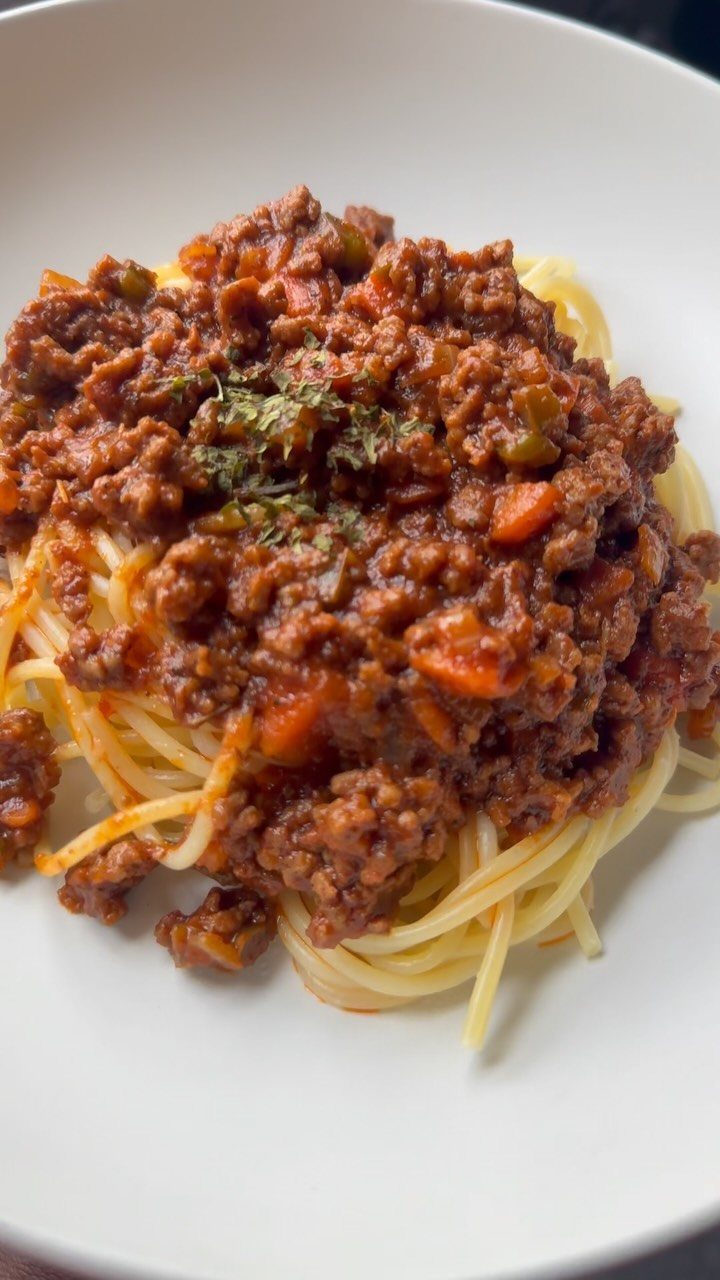
Bolognese earns its place on a dinner party menu because the sauce improves while you do other things.
Dried herbs go in with the meat, and they need time at a low heat to soften into the sauce before the pasta ever hits the water.
Make the sauce a day ahead and reheat it gently.
Cook the spaghetti last, so it hits the bowl hot. With a sauce this thick, I’d serve smaller portions than usual if a first course comes before it.
2. Caprese Salad
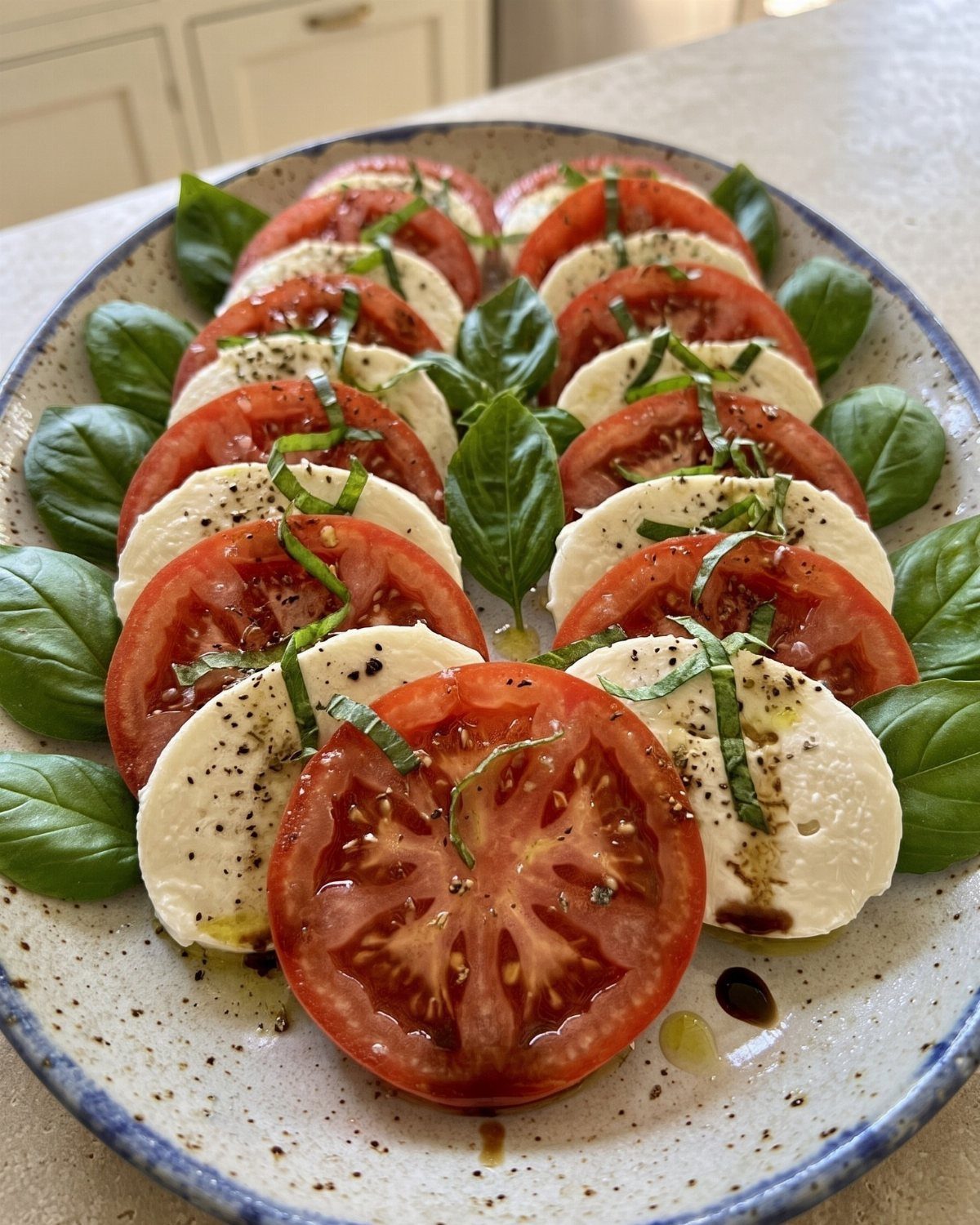
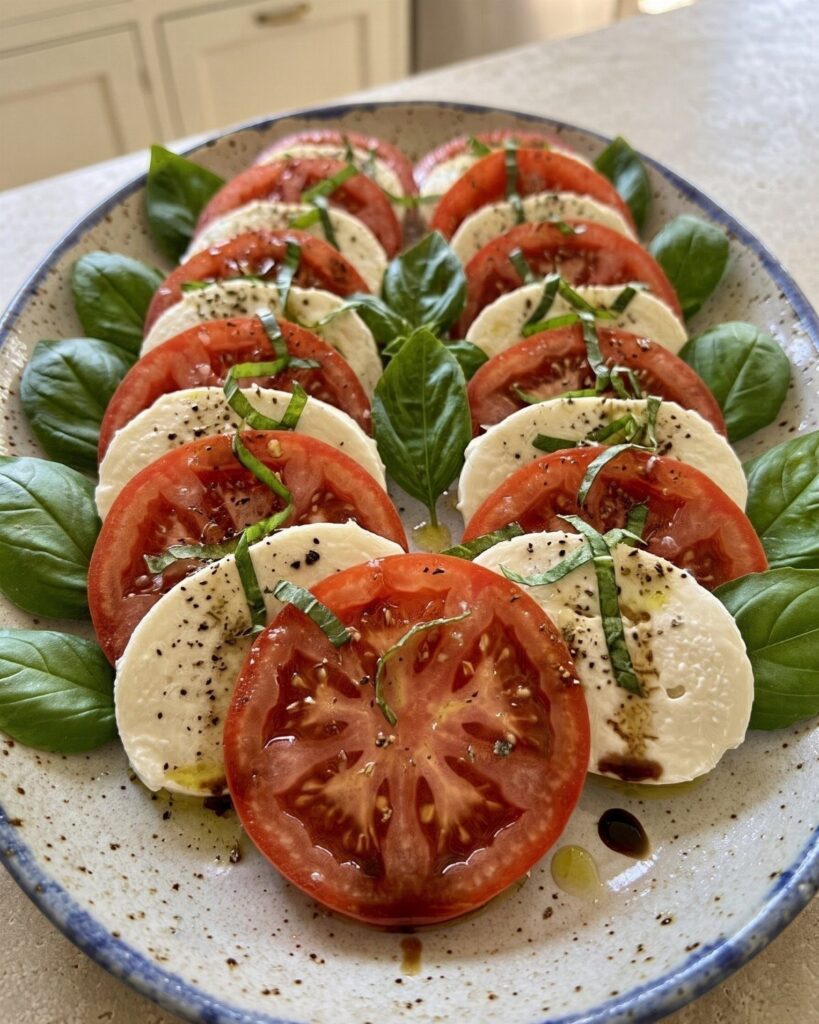
Sliced tomatoes, fresh mozzarella and whole basil leaves, finished with oil and a balsamic glaze, make a starter that needs no stove. Choose the best tomatoes you can find, because nothing hides them here.
Arrange the plate just before guests sit down so the tomatoes stay firm.
A glaze looks tidier than thin balsamic, and a speckled platter keeps the red and white clean. It pairs well ahead of a heavy baked pasta.
3. Eggplant Parmesan
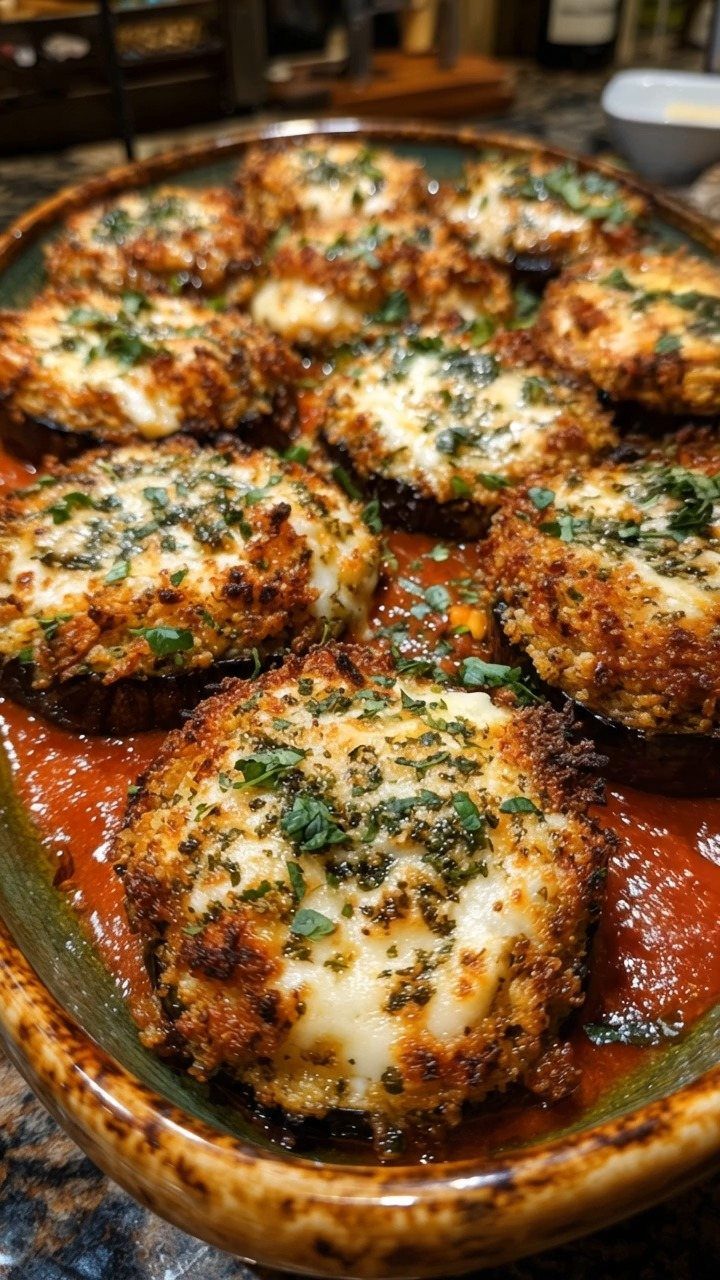
Breaded eggplant under melted cheese and red sauce is the vegetarian main I would put on a table without apology.
Bake the breaded slices on a sheet pan with a drizzle of olive oil for 20 minutes, until crisp and golden. That step keeps them from going soggy under the sauce.
Then layer them in a baking dish with sauce and cheese, and bake until the sauce is bubbly and the edges are browned. You can bake the slices ahead and do the final bake as guests arrive.
4. Risotto
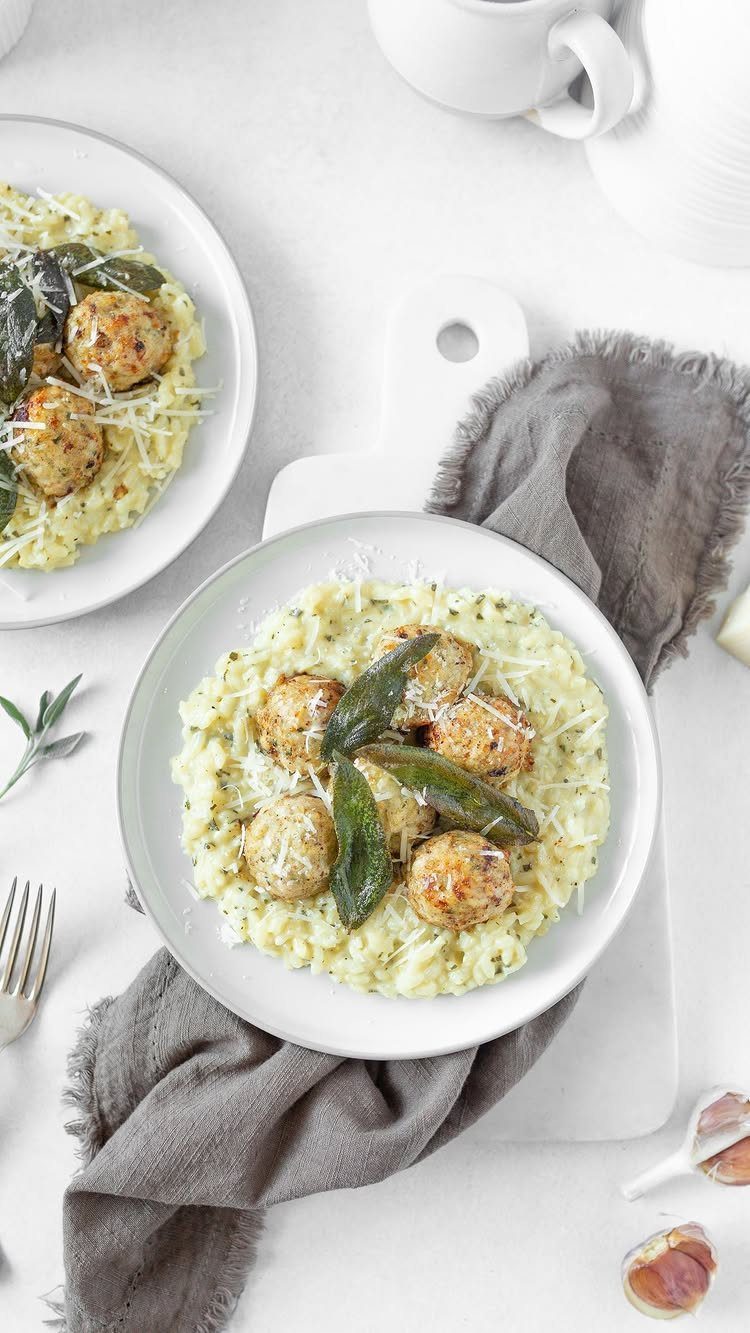
Risotto with turkey meatballs and fried sage turns a stirring dish into something close to a full plate. Roll the turkey into 1-inch meatballs and bake them on a parchment-lined sheet at 400°F, which frees your hands for the pot.
Toast the rice and sage in butter for 1 minute before any liquid goes in.
Risotto wants attention, so I’d serve it for a small table rather than twelve. The meatballs can be made earlier and reheated.
5. Bucatini All’Amatriciana
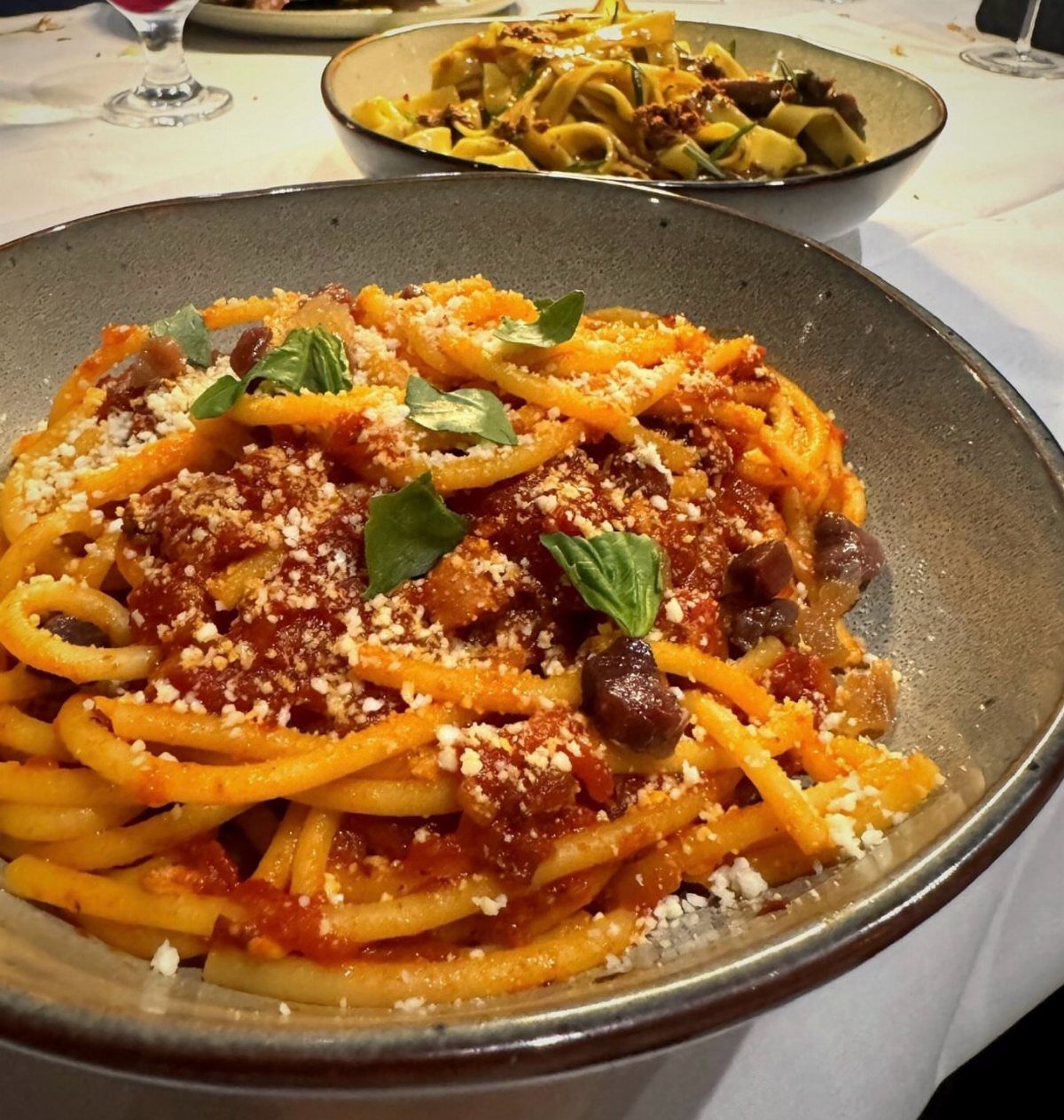
Amatriciana pairs a spicy edge with a sweet tomato sauce, and bucatini, the hollow strand, holds that sauce inside as well as outside.
It suits a cook who wants big flavor without a long ingredient list. I’d put it after a light starter like the caprese, since the sauce is bold enough to carry the main course alone.
6. Pasta Al Pomodoro
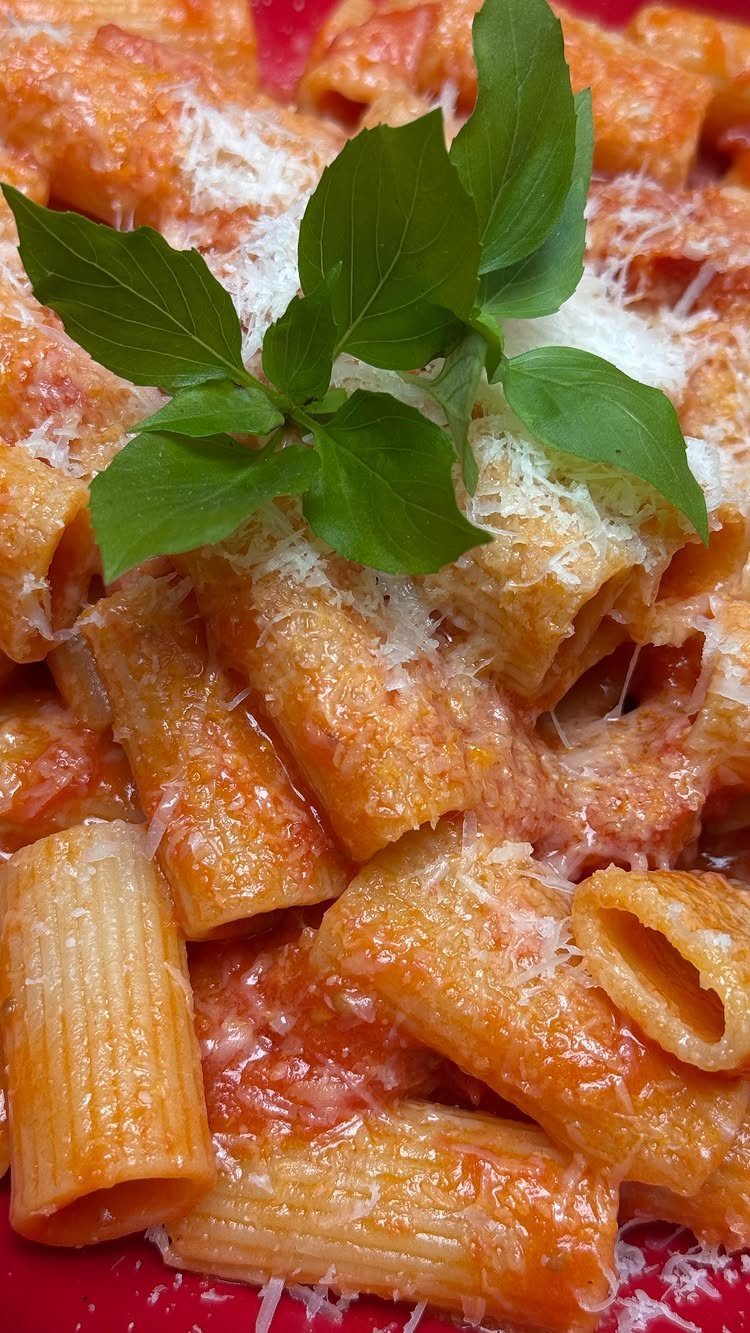
Pasta al pomodoro is the quiet dish on a menu of rich ones, and I like that it lets everyone rest. Rigatoni works well because its ridges grab the tomato sauce.
Pasta al pomodoro is the easiest pick for guests who dislike heavy sauces, and it costs little per head. Serve it beside something baked, like the eggplant.
7. Pizza Margherita
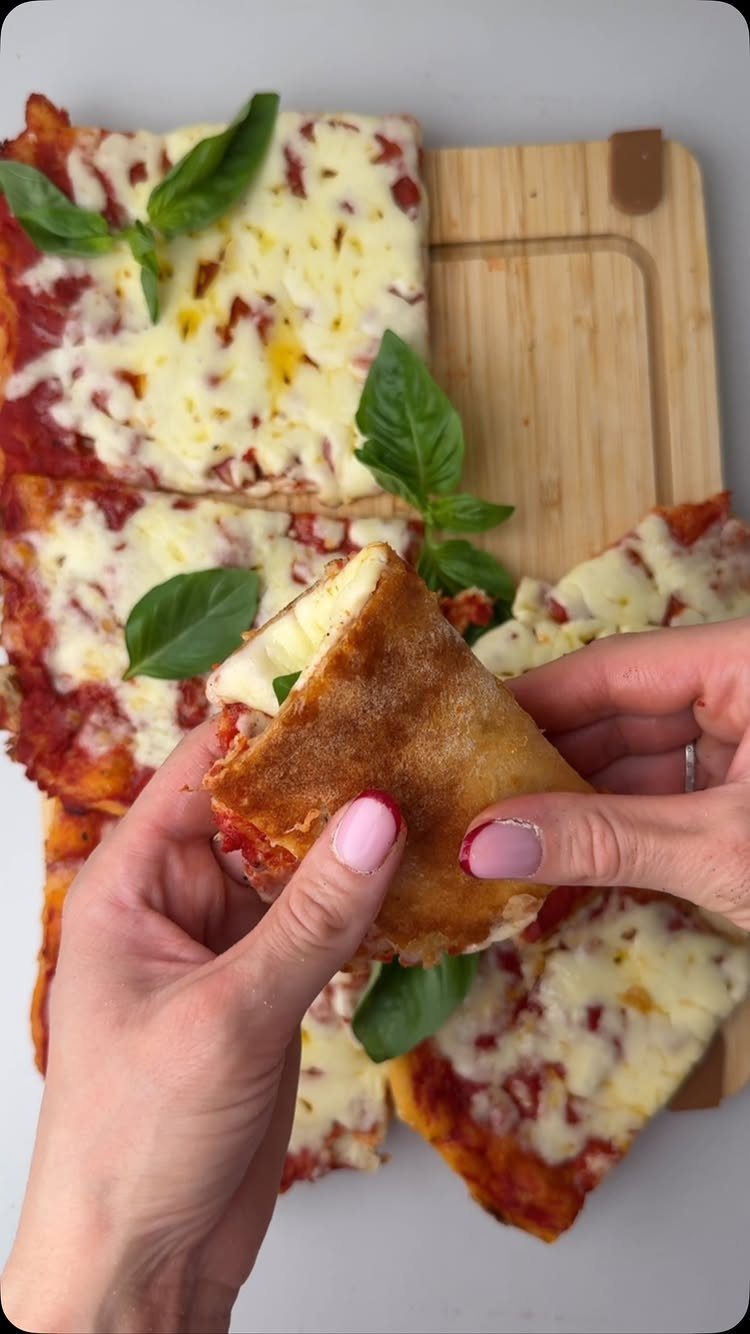
Bake margherita on a sheet pan and cut it into squares: the slices hold together, travel to the table easily, and work as finger food for guests eating standing up.
That makes pizza the loosest course on this menu, so I’d put it with the antipasti, not after a heavy pasta.
Add the basil after baking so it stays green. Cut the pizza into squares for finger-food portions.
8. Lasagne Soup
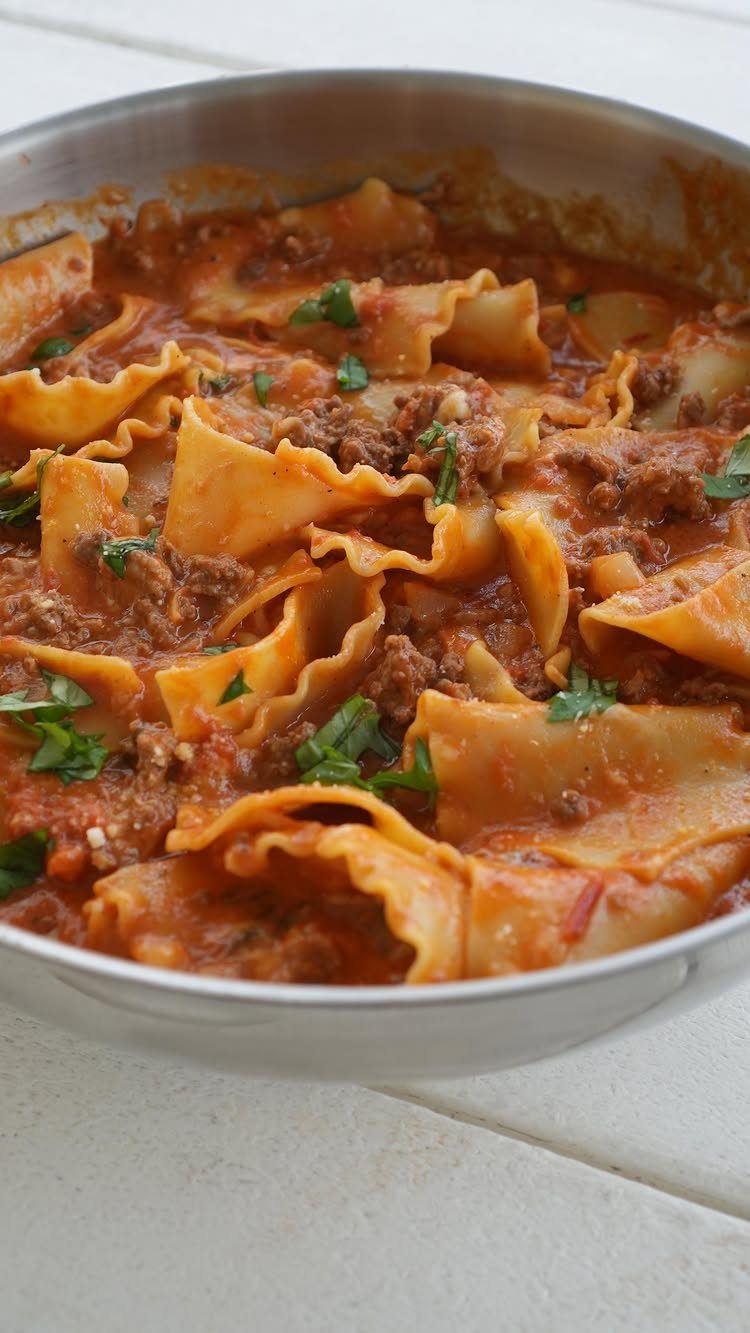
Lasagne soup gives you the flavor of the baked dish in a pot, built from just 5 simple ingredients.
Lasagna soup keeps the flavor of the baked dish with none of the layering: broken lasagna noodles, a ground meat tomato sauce in broth, and a handful of parsley stirred in at the end.
For a dinner party I’d serve it as a first course in small cups or bowls, since it asks for a ladle and not an oven. It also frees the oven for another dish, like the eggplant.
Cook the noodles right in the pot, and serve soon after, because they keep softening as the soup sits.
9. Lasagna
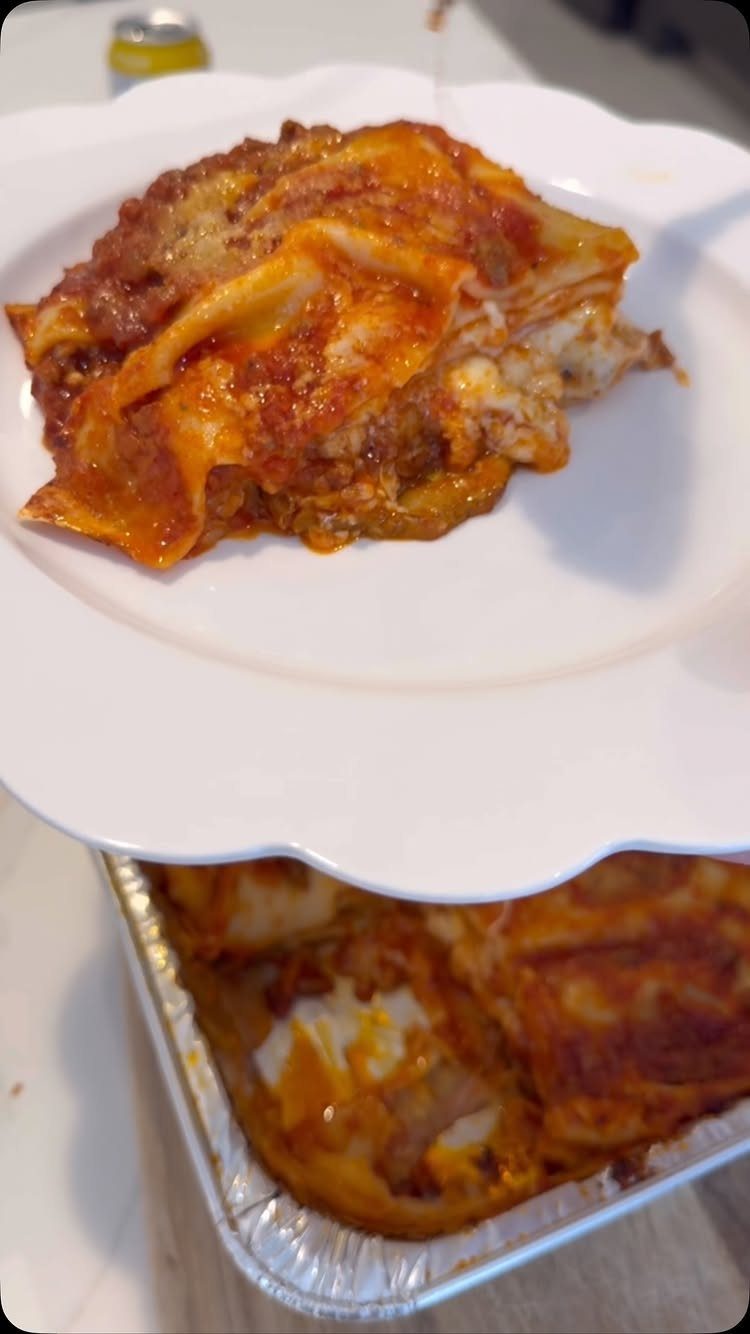
Lasagna is the dish for a table that wants to be fed properly. Cook it in a foil pan and the cleanup is almost nothing, which matters when you’re hosting.
The maker of this one adds 300g of good quality ham, whole or diced, between the layers. Cover with foil and bake for 50–60 minutes, removing the foil for the last 10 so the top browns.
Cut slices after a short rest so they hold their shape on the plate. Since the caprese before it is already light, a second pasta course would weigh the table down, so let the lasagna be the only heavy dish.
10. Antipasti Platter
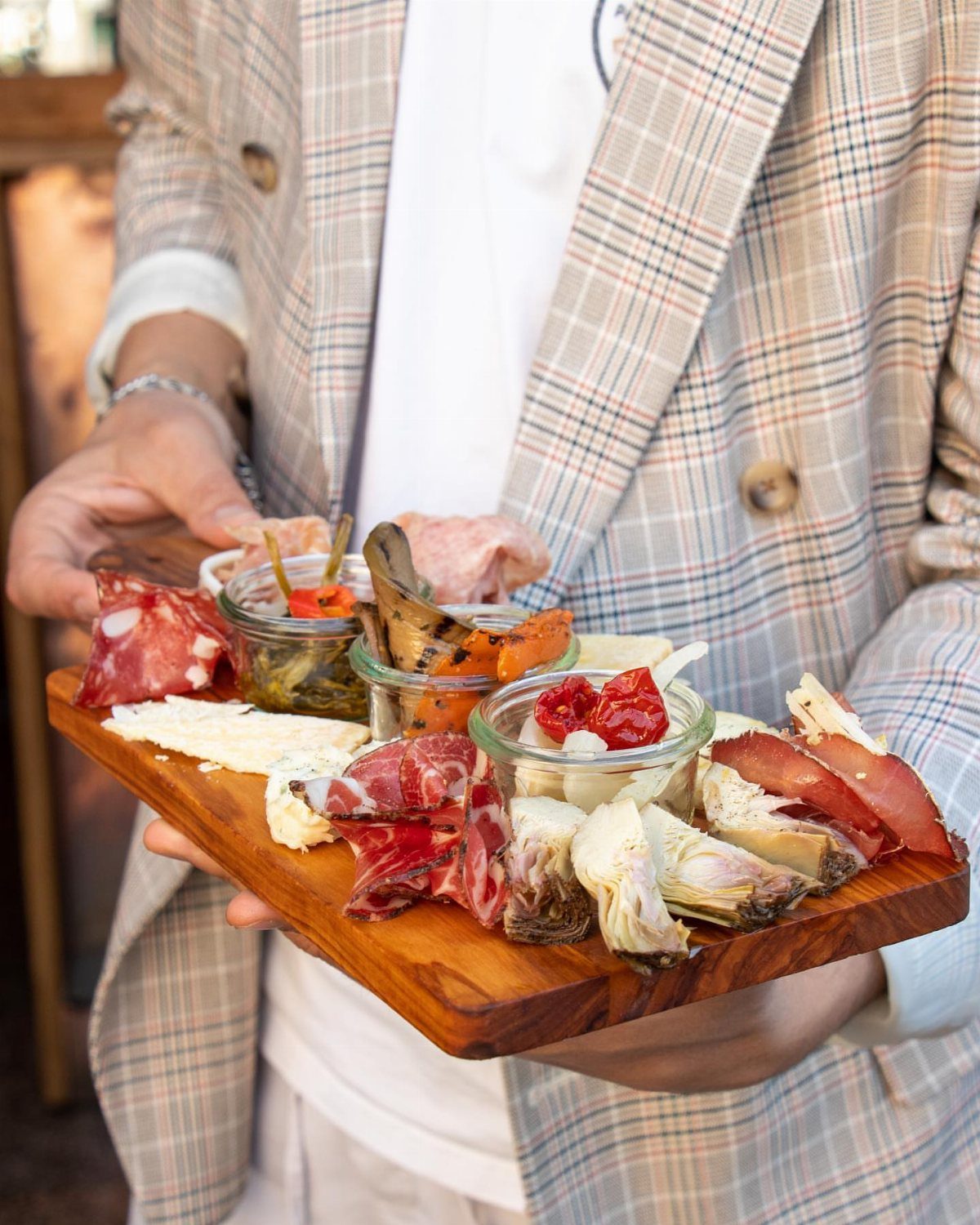
An antipasti platter is the one course where shopping replaces cooking: cured meats, cheeses, and jars of marinated vegetables, all arranged on a wooden board.
I like buying the vegetables in jars, since they’re already seasoned and stay good on the counter while guests arrive. Set the board out first and let people graze while the pasta finishes.
Use a big board for a crowd and a small one for two. Either way, the board covers the first hour of the party.
11. Pasta Carbonara
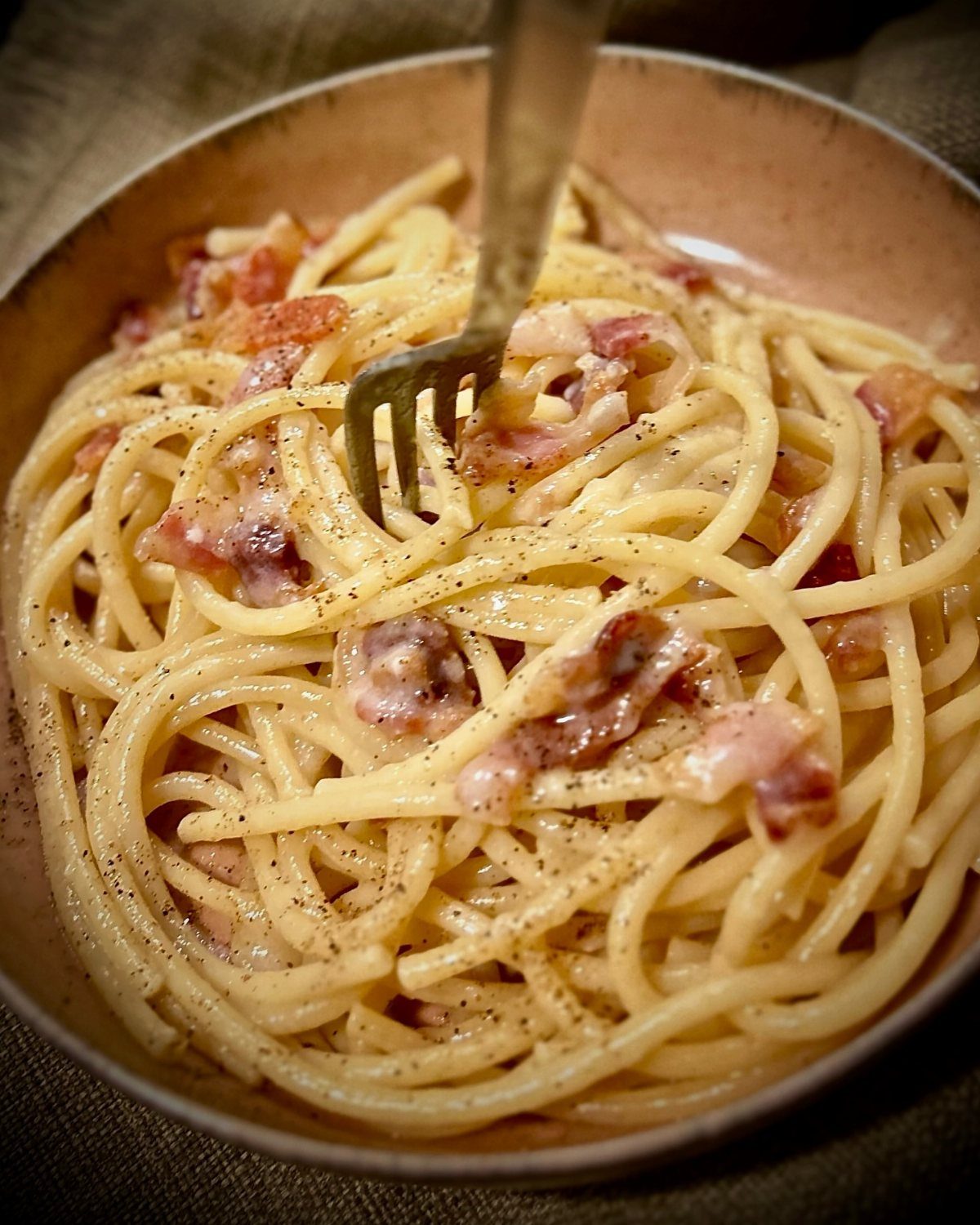
Carbonara is a bowl of creamy noodles speckled with crisp pancetta and plenty of cracked black pepper. Render the pancetta until crisp before anything else, then keep it nearby for the finish.
It rewards a small table. The sauce comes together at the last minute, so I’d serve it to a few guests rather than twelve, and cook it while everyone is seated with the starter.
Grind the pepper fresh, and put a little over each bowl at the table.
12. Cacio E Pepe
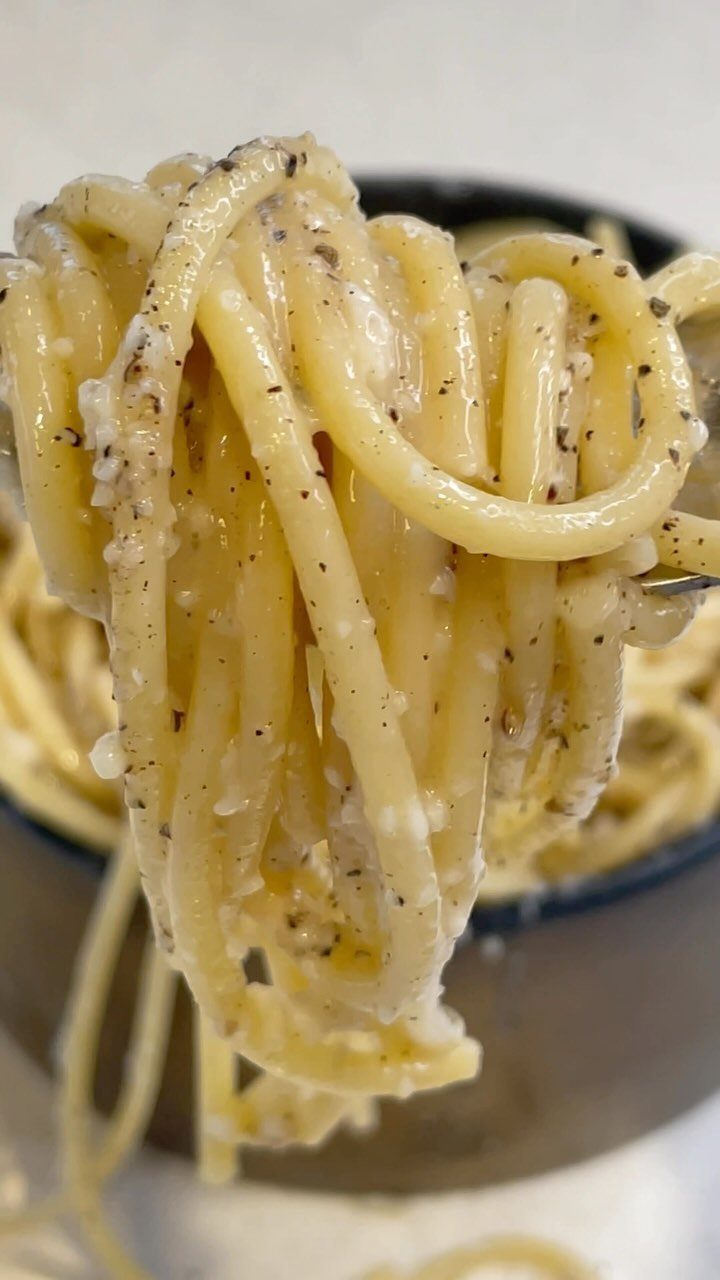
Cacio e pepe has 2 real flavors, cheese and black pepper, and thick noodles carry both well. A spaghetti with some heft keeps the sauce from feeling thin.
The maker of this version starts the water in a 13-inch skillet, so the pan stays wide enough to toss in. They stir the cheese into the pasta in 3 additions, stirring continuously, which keeps the sauce smooth.
Serve right away, topped with a bit more cheese and pepper. It won’t wait, so I’d save it for a small table.
13. Creamy Sausage Farfalle
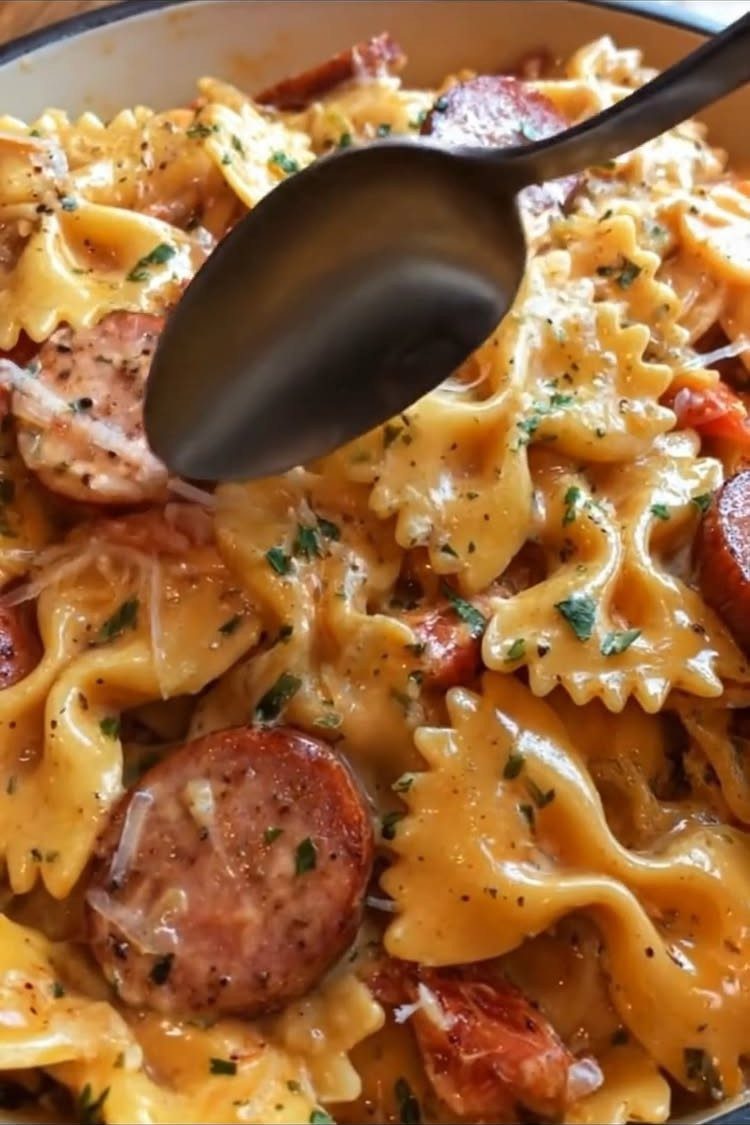
Sliced Italian sausage gives farfalle a savory backbone, and the creamy orange sauce clings to the folds of each bowtie. It’s a one-pot dish, which suits a host who wants to stay at the table.
The maker softens chopped onion for about 4 minutes, adds garlic for 30 seconds, then covers the pot and simmers 12–15 minutes, stirring now and then, until the pasta is tender and most of the liquid is absorbed.
Finish with grated cheese and parsley at the table. I’d put it where a rich main belongs, after the caprese.
14. Salmon Rigatoni
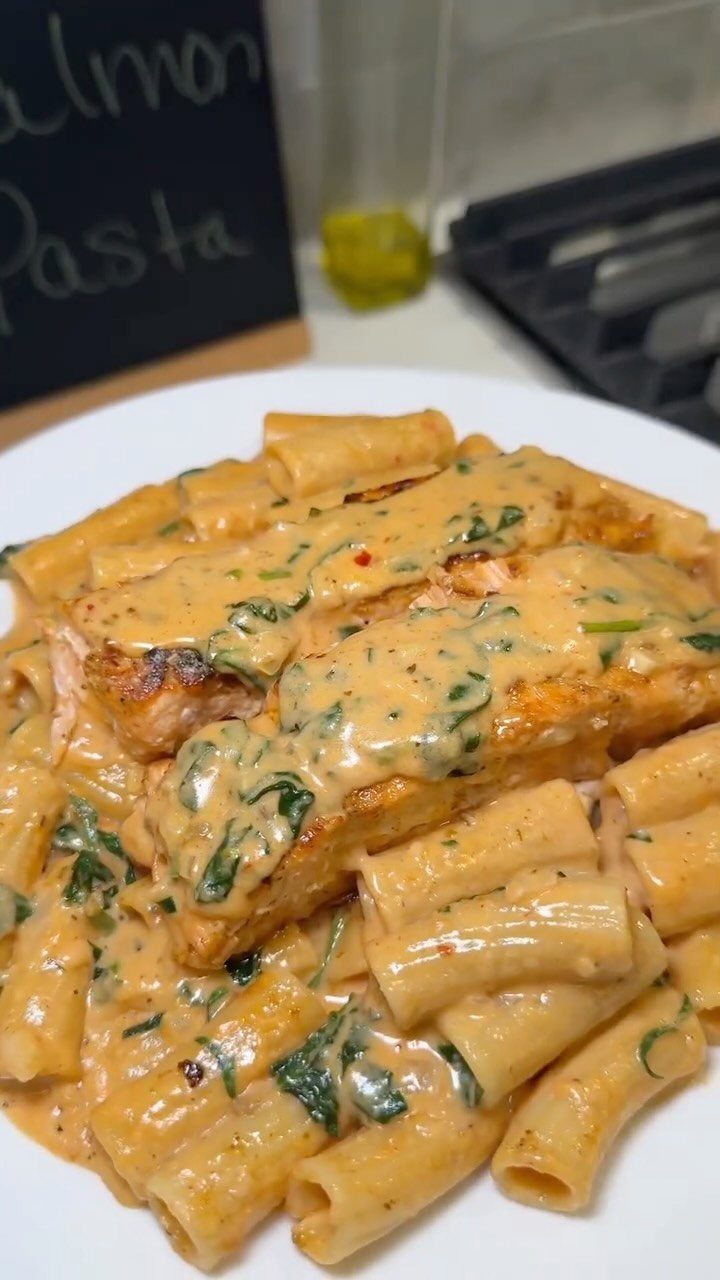
Salmon over rigatoni in a creamy tomato-spinach sauce is the pick for guests who skip red meat. The wide tubes catch the sauce, and a whole fillet on each plate looks more deliberate than a scoop of pasta.
Cook the salmon separately and set it on top at the end, so it doesn’t break apart in the sauce. I’d serve it as the main after a light starter, and not alongside another cream dish.
15. Lemon Spinach Pasta
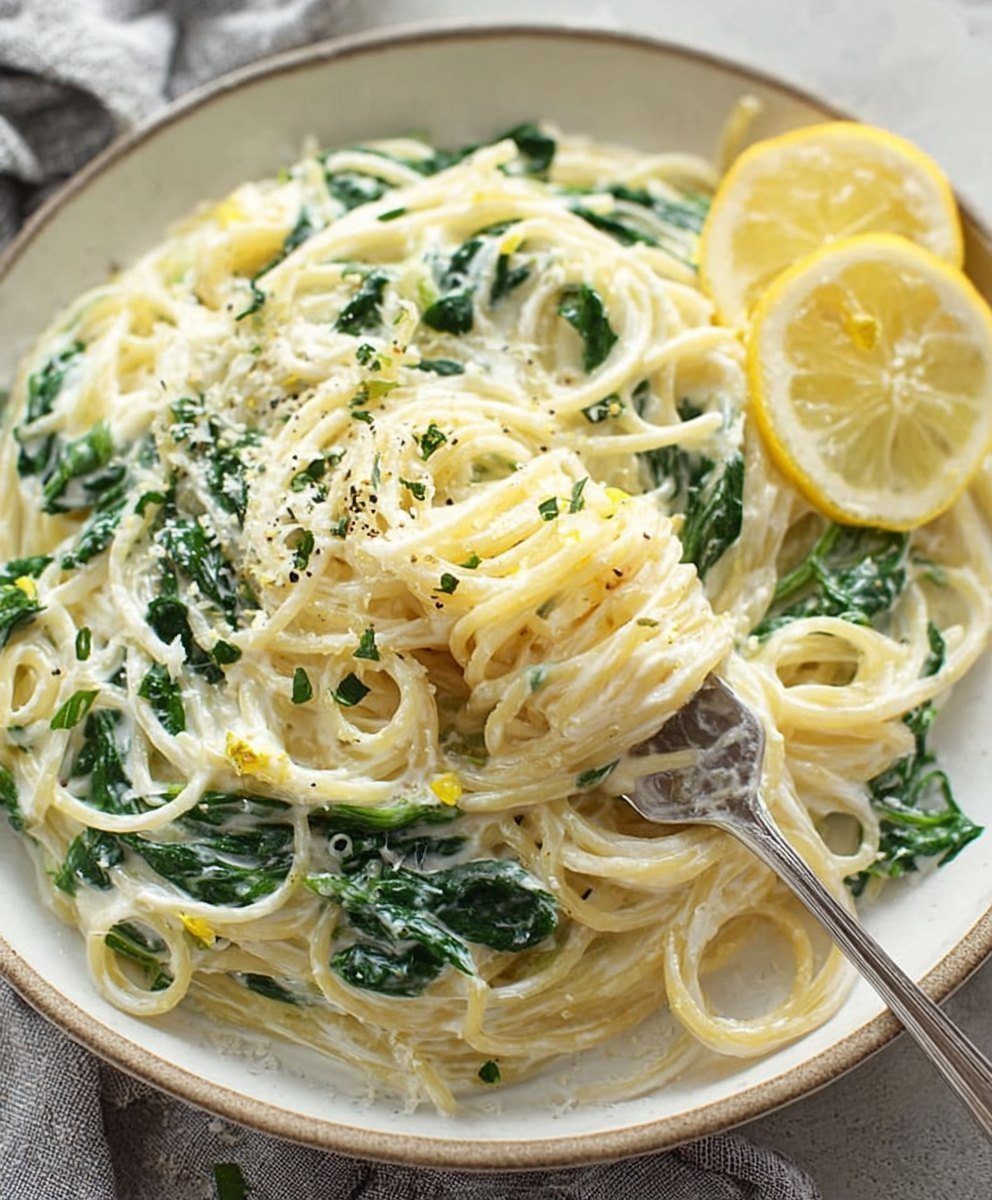
Lemon is what keeps this creamy spaghetti from going heavy. Wilted spinach, shaved parmesan and plenty of cracked black pepper fill out the bowl, and the lemon slices on top are for looks as much as taste.
I’d offer it as the lighter pasta on a menu full of tomato and cheese, since it costs little and cooks fast.
16. Pasta with Mozzarella Pearls
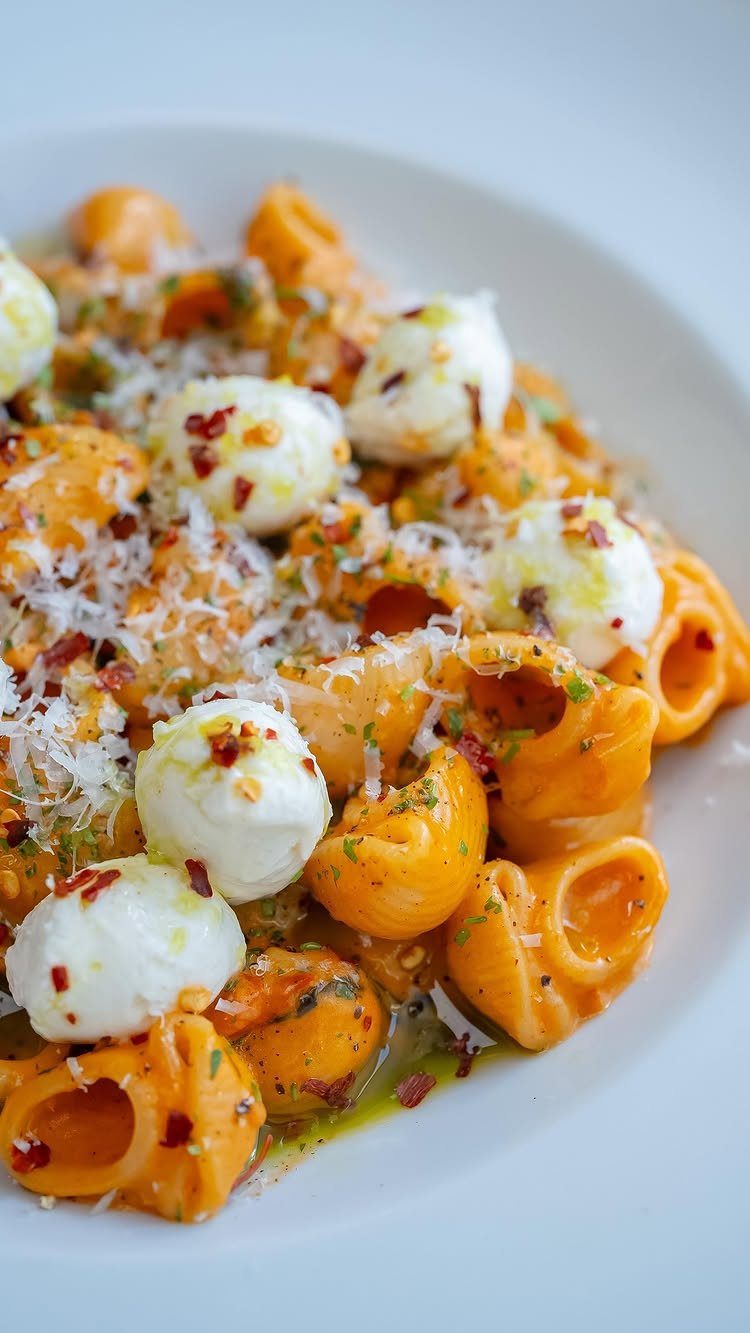
Mini mozzarella balls melt into a rich orange sauce over pasta shells, and each shell holds a little pool of it. Chili flakes and grated parmesan finish the plate.
Add the mozzarella pearls at the last moment, off the heat or on the plate, so they soften without dissolving.
Red pepper flakes over the plated pasta add heat, so go light and let the cheese and olive oil carry the rest. It’s an easy crowd pleaser, and kids will go for it too.
Planning and Pacing the Meal
A classic Italian dinner runs in order: aperitivo, antipasto, a first course of pasta, a main course, then dessert. At home, 3 or 4 of those steps are plenty; antipasti, pasta, a hearty main and dessert keep the pace balanced.
Spend your money on a few things that carry the meal: good extra-virgin olive oil, fresh herbs and one or two high-impact ingredients. Simple food has nowhere to hide weak basics.
Make the antipasti a few hours ahead and hold them in the fridge until guests arrive; marinated vegetables, cured meats and fresh mozzarella all hold up fine, and cold keeps the greens snappy.
Pasta is best the minute it’s been tossed with its sauce, so I boil it while guests are finding their seats and carry the bowl straight to the table.
For tomato sauces I pour a medium-acid red like Chianti or Montepulciano, and for lighter starters a dry sparkling white such as Prosecco is the easier pairing.
Give pans room, too. Crowded food steams instead of browning, and the flavor turns flat.
A simple green salad and a fast skillet main, like chicken cutlets, sit in my back pocket in case dinner runs late, because they fill out the meal without extra planning.
Dietary Accommodations
Ask guests about allergies and dietary needs when you invite them, not on the night. A quick text saves you from improvising at the stove.
For gluten sensitivities, cook a separate pot of gluten-free pasta, or swap in zucchini noodles. Keep it in its own pot with its own serving spoon so nothing crosses over.
For vegetarians, eggplant parmesan or stuffed peppers give a real main, not a side plate of leftovers. One vegetarian dish and one gluten-free dish cover most tables, so a separate menu for every diet isn’t necessary.
Setting the Table
Family-style serving does most of the work for you. Set the platters down the center and let guests pass them around; family-style serving makes a table feel lively and skips the plating entirely.
Set out water and bread before anyone sits. Everyone settles in fast once the food is within reach, which frees me to watch the clock on the next course.
Choose simple plates and serving boards, since the food should be the focus.
Frequently Asked Questions
What are some Italian dinners?
Lasagna, risotto, eggplant parmesan and a rich pasta like carbonara or creamy sausage farfalle all work for a dinner party.
Eggplant parmesan gives vegetarians a real main, and salmon rigatoni suits guests who skip red meat. For a table of 12, favor baked dishes like lasagna over risotto or carbonara, which need last-minute attention.
What are some Italian appetizers?
An antipasti platter of cured meats, cheeses and jarred marinated vegetables is the easiest, since it takes shopping instead of cooking.
Tomato, mozzarella and basil on a platter takes 5 minutes and needs no cooking. Sheet-pan margherita pizza, cut into squares, disappears fast when people are standing with drinks.
What’s on an Italian menu?
The full structure is aperitivo, antipasto, primo, secondo, then something sweet.
Pick 3 or 4 of those: start with appetizers, add pasta, a protein dish and one dessert. That keeps the pace balanced without leaving you stuck in the kitchen.
What desserts should I include in an Italian-themed menu?
Tiramisu, panna cotta and cannoli are what people expect; a fruit tart or good gelato feels less heavy.
Keep servings small since you’ve already fed them 3 courses. Serve coffee or espresso alongside the sweets.





