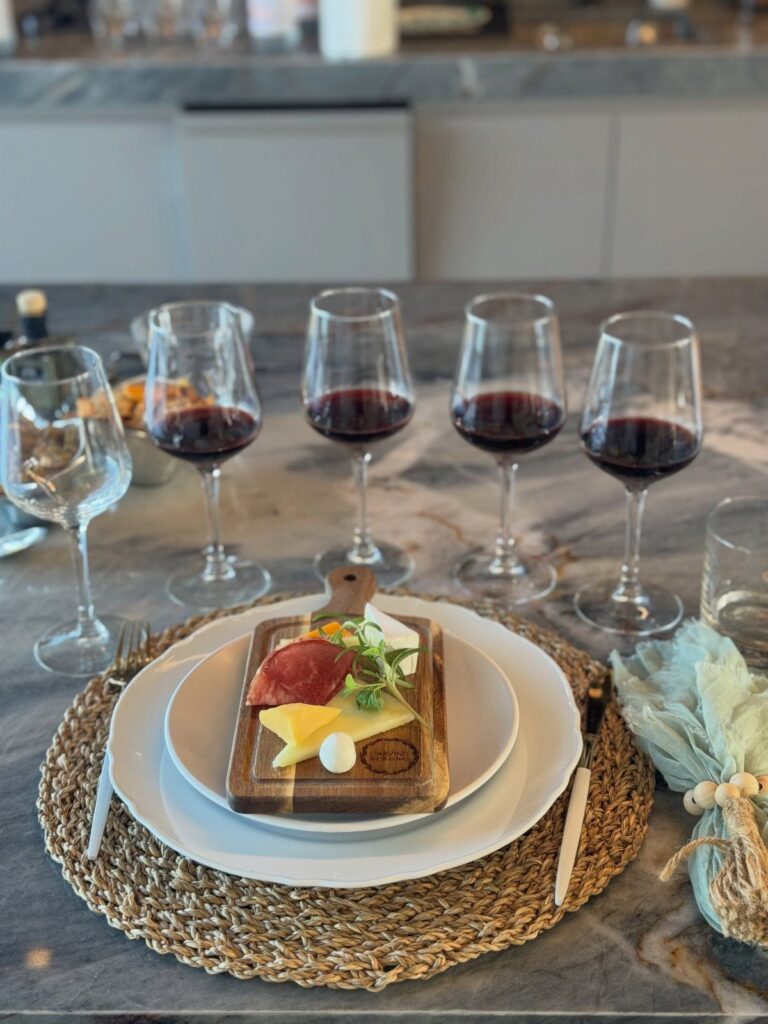
How many glasses you have changes the plan: one per guest means rinsing between pours, while a full set lets each wine get its own stem.
Some ideas cost nearly nothing (brown paper for tasting notes, ice in a bucket), while others like caviar and blinis let you spend where it counts.
Pick 4–6 bottles that share a thread, like Malbec from two countries or Chardonnay at different price points, and that lineup sets the tone.
1. Blind Tasting
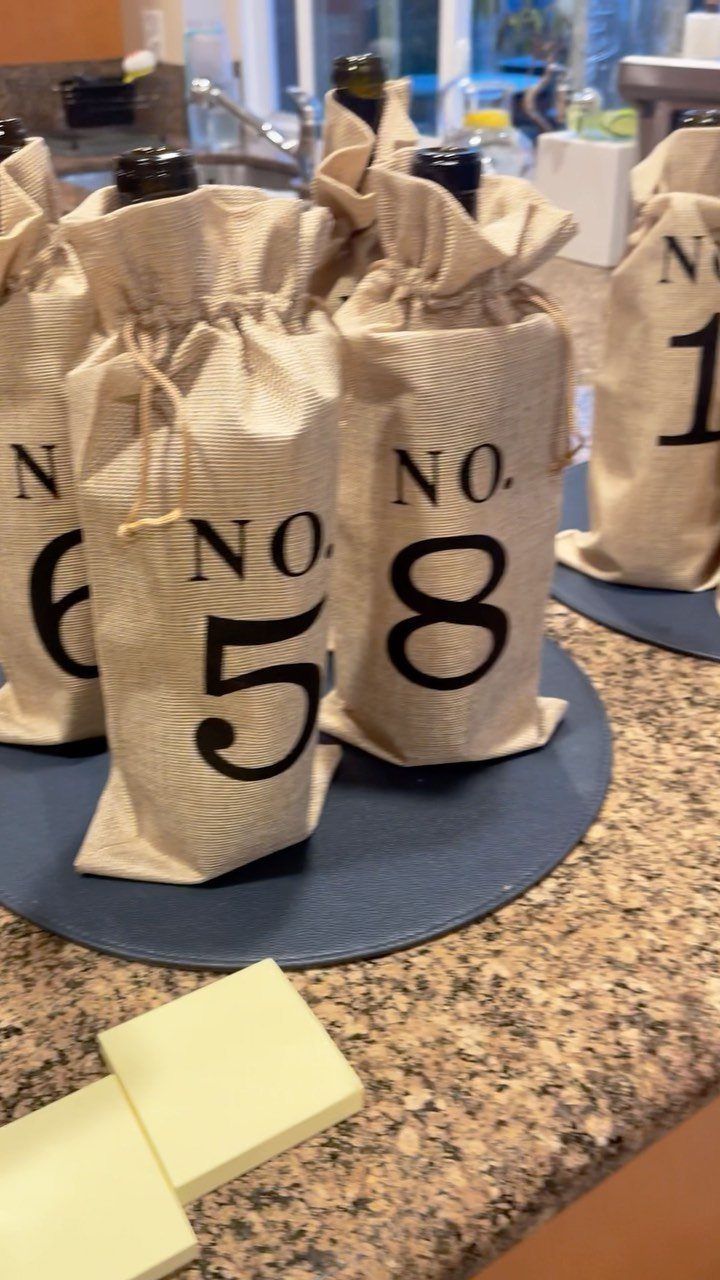
Slip each bottle into its numbered bag, then keep a private answer key on a separate sheet.
Sticky notes on the counter help you track pour order. I’d keep the reveal until everyone has committed to a guess, since that is where the arguing and laughing happen.
Pick bottles at similar prices so no one wins on a hunch about the label.
2. Cheese and Charcuterie Food Pairings
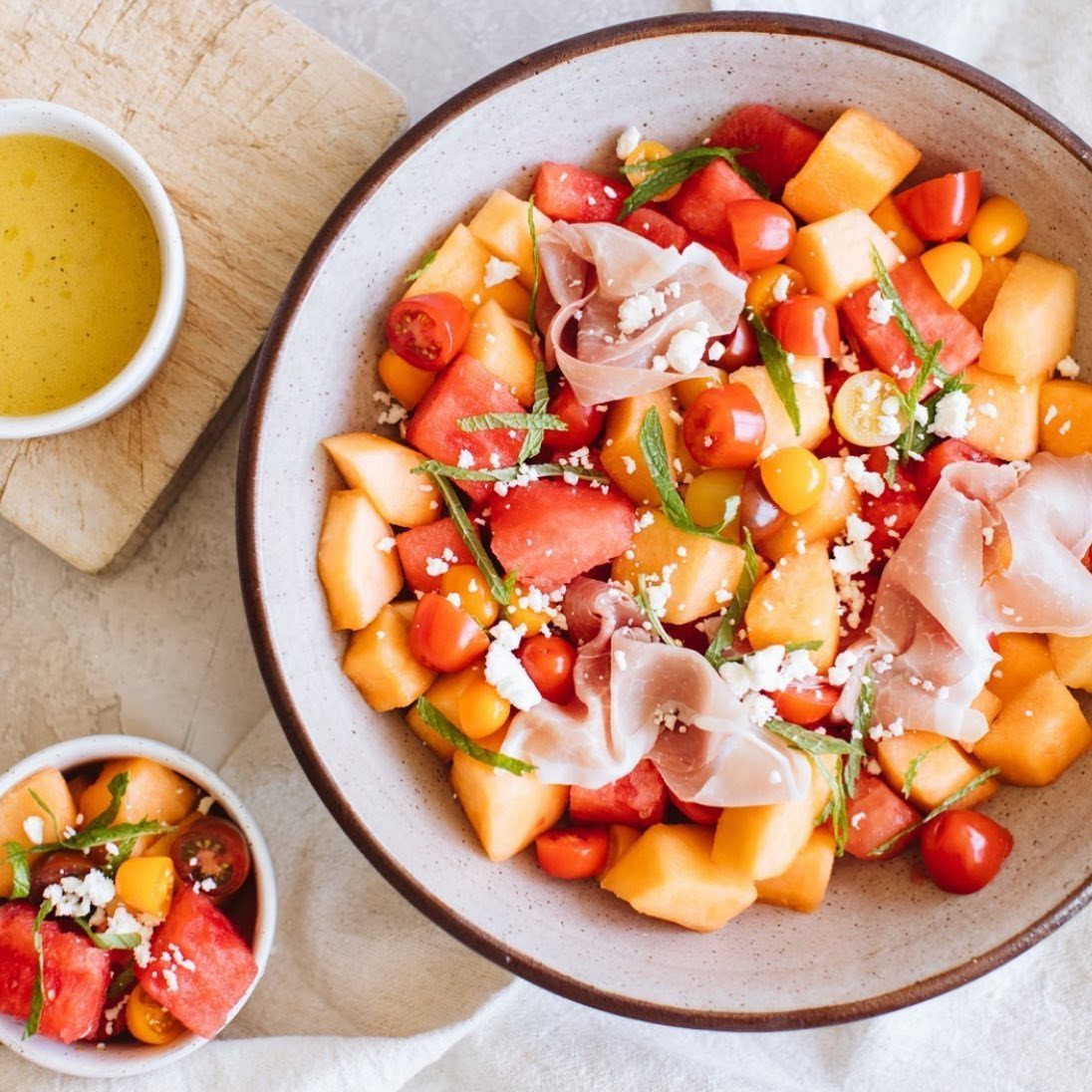
A melon and prosciutto salad with feta sits on the cheese board’s lighter side, and it works because salt and sweetness meet in one bite. Cherry tomatoes add acidity, which keeps the plate from feeling heavy next to the wine.
I would pair it with a crisp white and let people argue about whether it works.
For a full board, add a few cheeses and cured meats to this salad rather than replacing it.
3. Use Wine Glasses
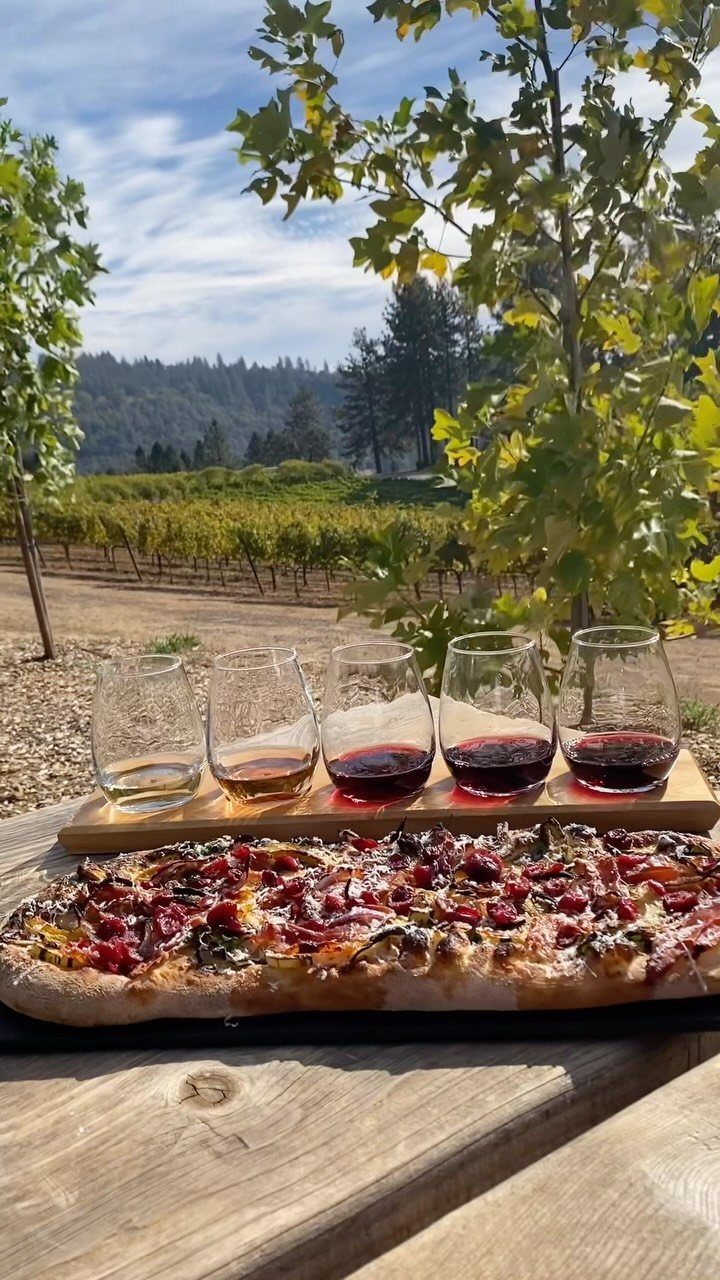
Stemless glasses, one per wine, keep a tasting table simple and hard to tip. If you have only a few glasses, a stem glass per guest plus a water rinse between pours still works.
Buy or borrow enough that nobody has to share or wash mid-tasting. I prefer one glass per wine when budget allows, since mixing flavors muddies the notes.
Set the glasses on a wooden board or tray so guests can carry them with food. A flatbread alongside is an easy, cheap match for several wines.
4. Wine Tasting Notes
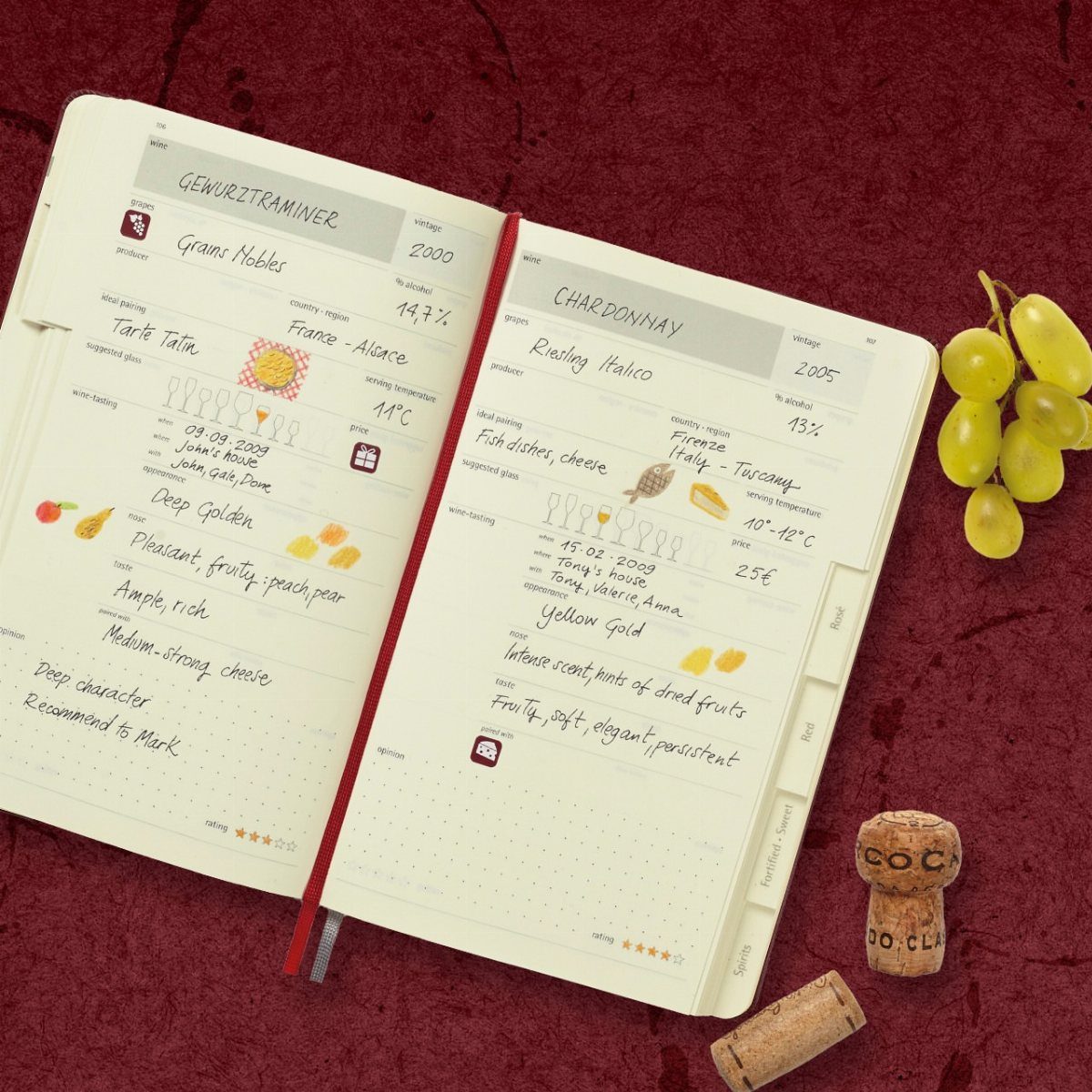
A small notebook per guest, or one shared at the table, gives people somewhere to put their impressions. Start each page with the grape name, such as Gewurztraminer or Chardonnay, then leave room for color, smell and taste.
Don’t ask for fancy vocabulary.
"Peachy" or "too sharp" is a real note, and it helps beginners relax. Keep pencils or pens on hand, and put the notebooks beside the glasses, not in guests’ laps.
5. Use Scorecards
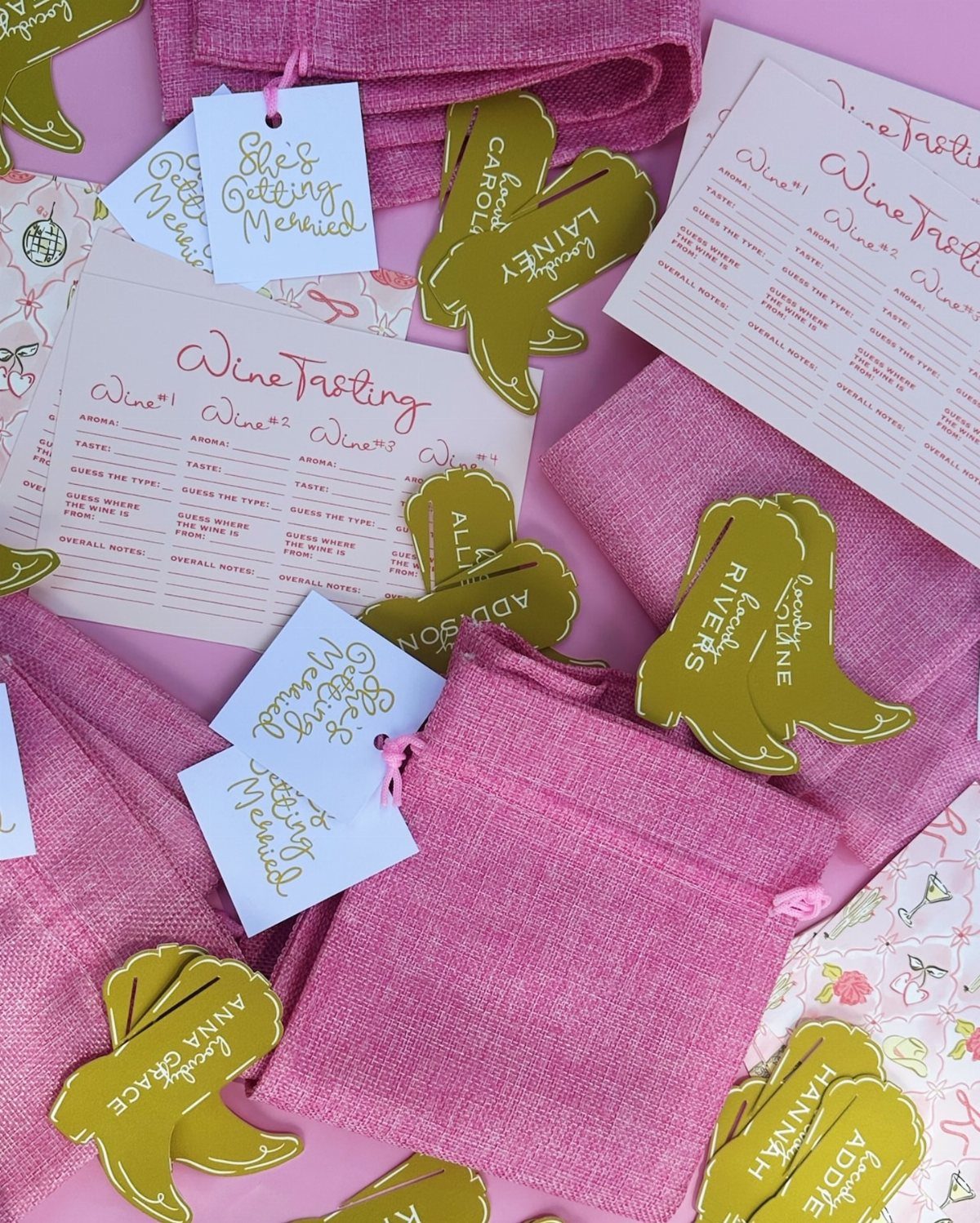
Printed scorecards give each guest a quick grid to fill in, which keeps a mixed-experience group on the same page.
For a shower, match the cards to your theme: pink pouches and gold name tags tie the table together, and a line like "She’s Getting Married" makes each seat feel personal.
I’d keep the card short: wine number, a score, one line of comments. Collect them at the end and tally the winner while people snack.
Print extras, because someone always spills.
6. Non-Alcoholic Beverages
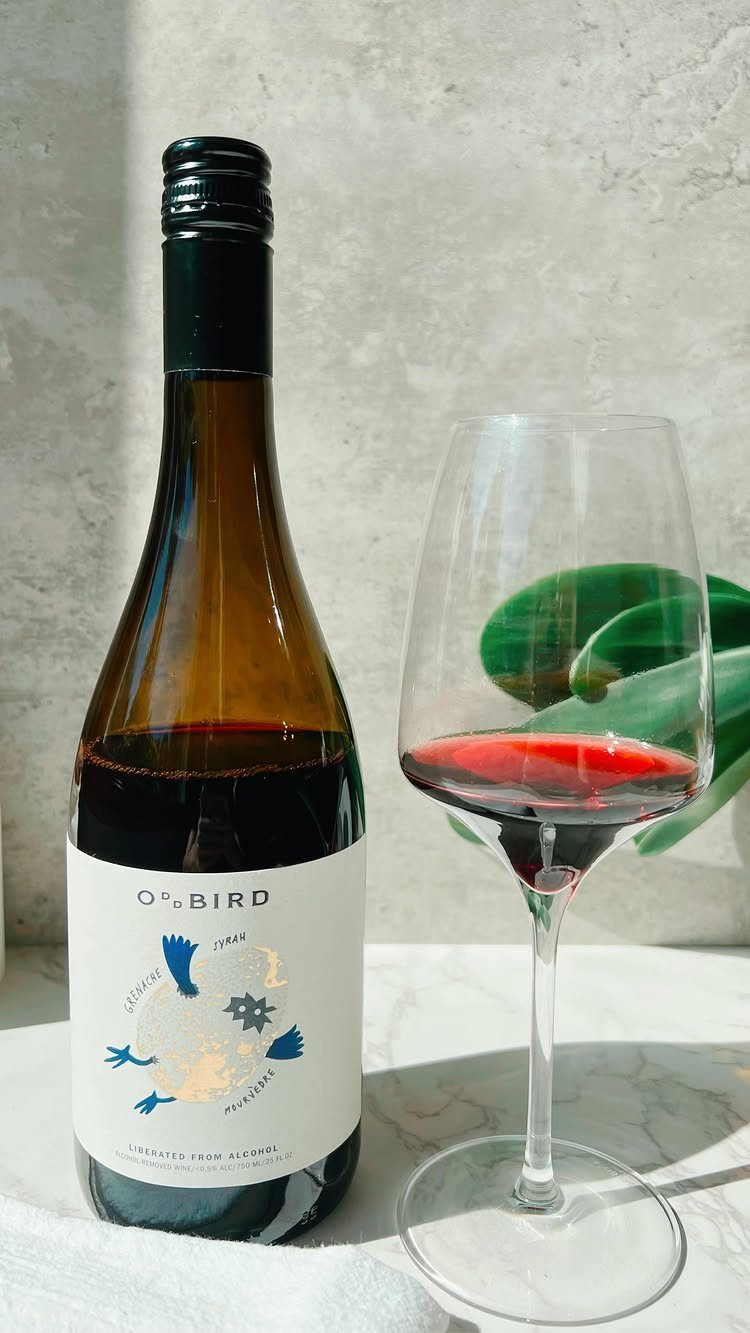
Alcohol-free wine belongs in the lineup as a real pour, not a sad afterthought. Oddbird makes a non-alcoholic red, and served in a proper wine glass it sits alongside the others without anyone feeling singled out.
Buy at least one bottle for guests who are driving, pregnant or simply not drinking. I’d also add sparkling water and a pitcher of something simple, since palates need resetting between wines anyway.
Pour it in the same glass style so the table looks even.
7. Wine Chilling Bucket
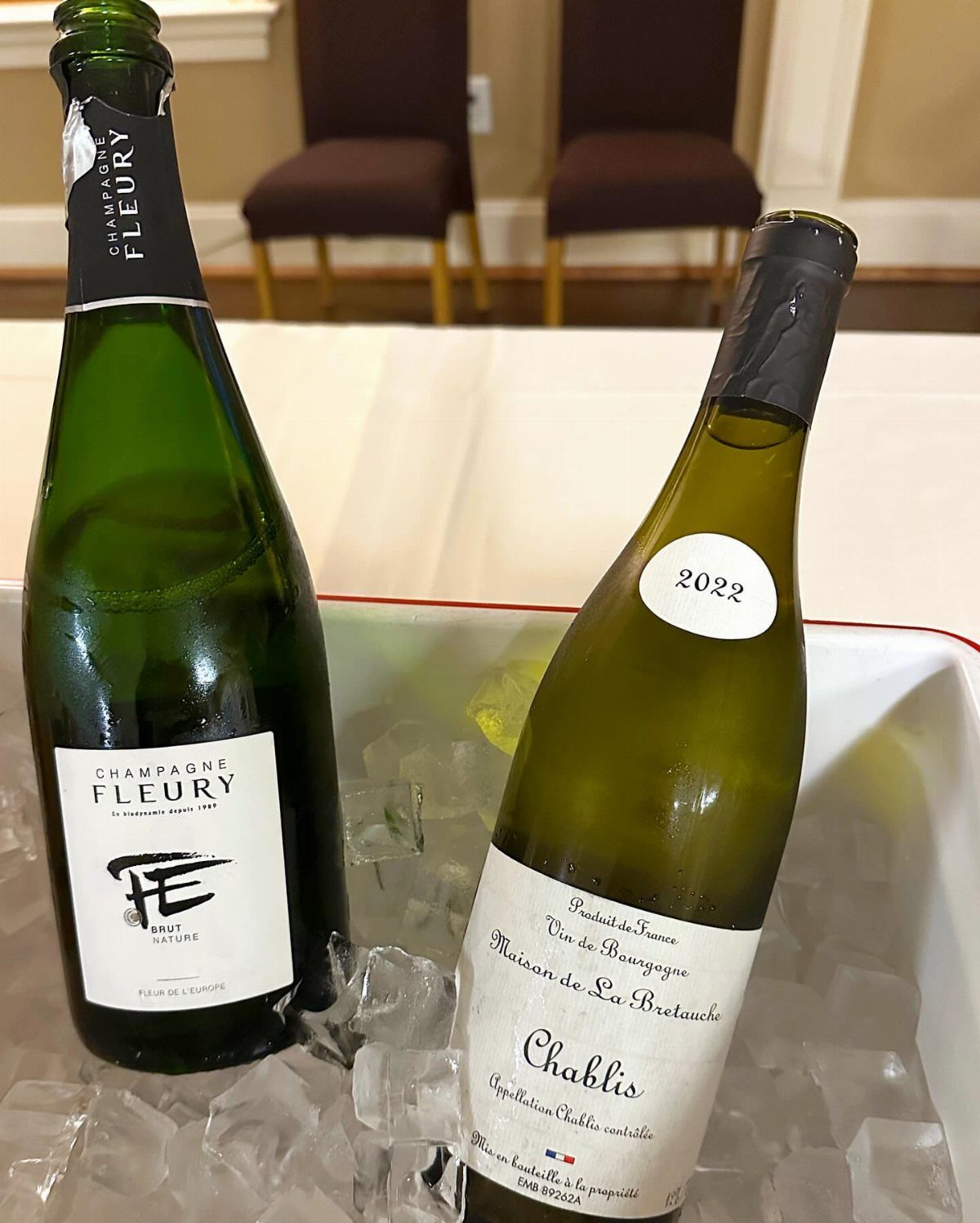
A white ice bucket holds two bottles at once, which is plenty for a small table: one sparkling, one still white, both ready to pour.
Fill it with ice and cold water rather than ice alone, since water touches the whole bottle and chills it faster.
I’d set the bucket within reach of the tasting table, not in the middle of the food. Keep a folded towel beside it for drips, so the white tablecloth stays dry.
8. Seated Tasting Table Setting
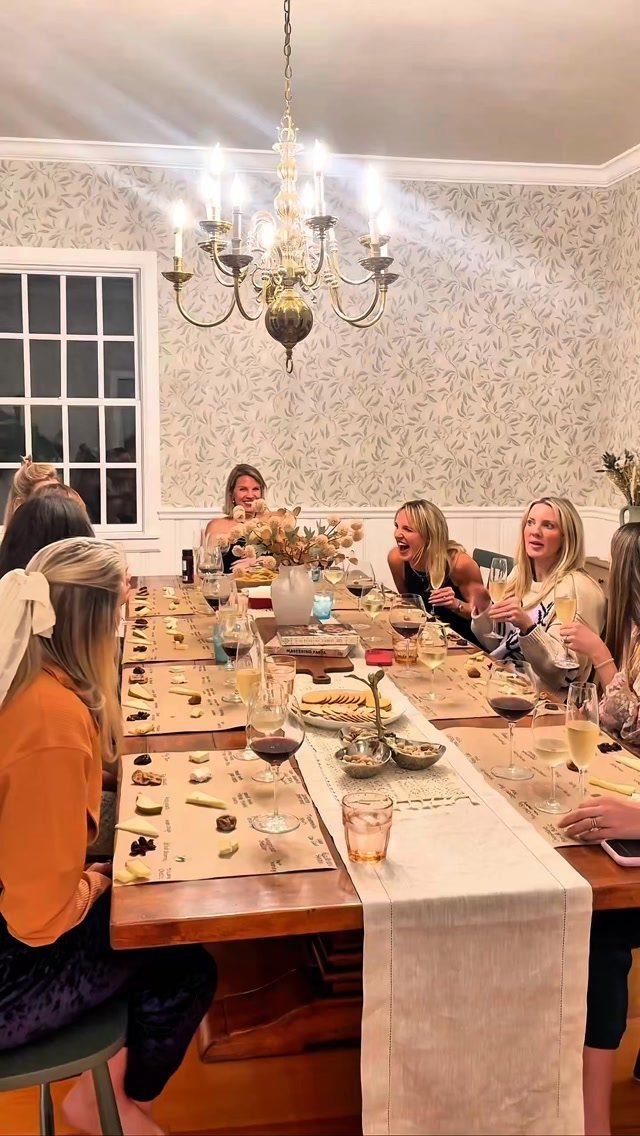
A long dining table works well for a seated tasting because everyone can see and talk to each other.
Give each guest a wine glass and a small appetizer plate, then run a table runner down the center to hold the shared dishes.
Keep the runner low and plain so it doesn’t crowd the glasses. I’d choose small plates over dinner plates: they take less room and make nibbling feel casual.
Leave a hand’s width between place settings so elbows stay clear of the wine.
9. Caviar and Blinis Pairing
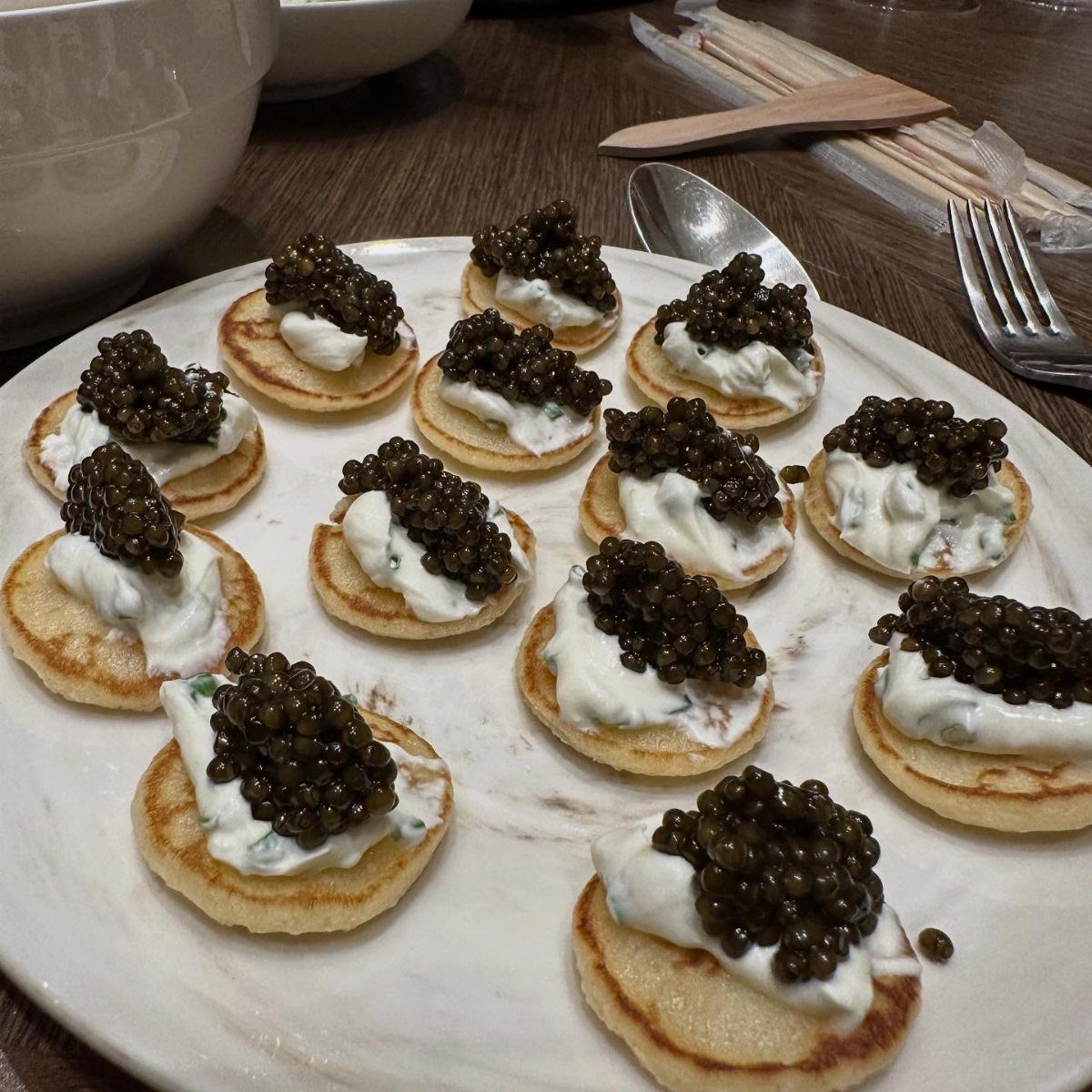
Blinis topped with cream and caviar make a simple appetizer, so assembly is the only work.
Buy small blinis, spoon on a dot of cream, then add a little caviar right before the doorbell starts ringing so the blinis stay crisp.
Serve them on a plain white platter with a small spoon for the caviar. I like this for a splurge on a small guest list, since caviar is the costly part.
A cheaper option is to use less caviar per blini and make more of them.
10. Outdoor Wine Station Bar
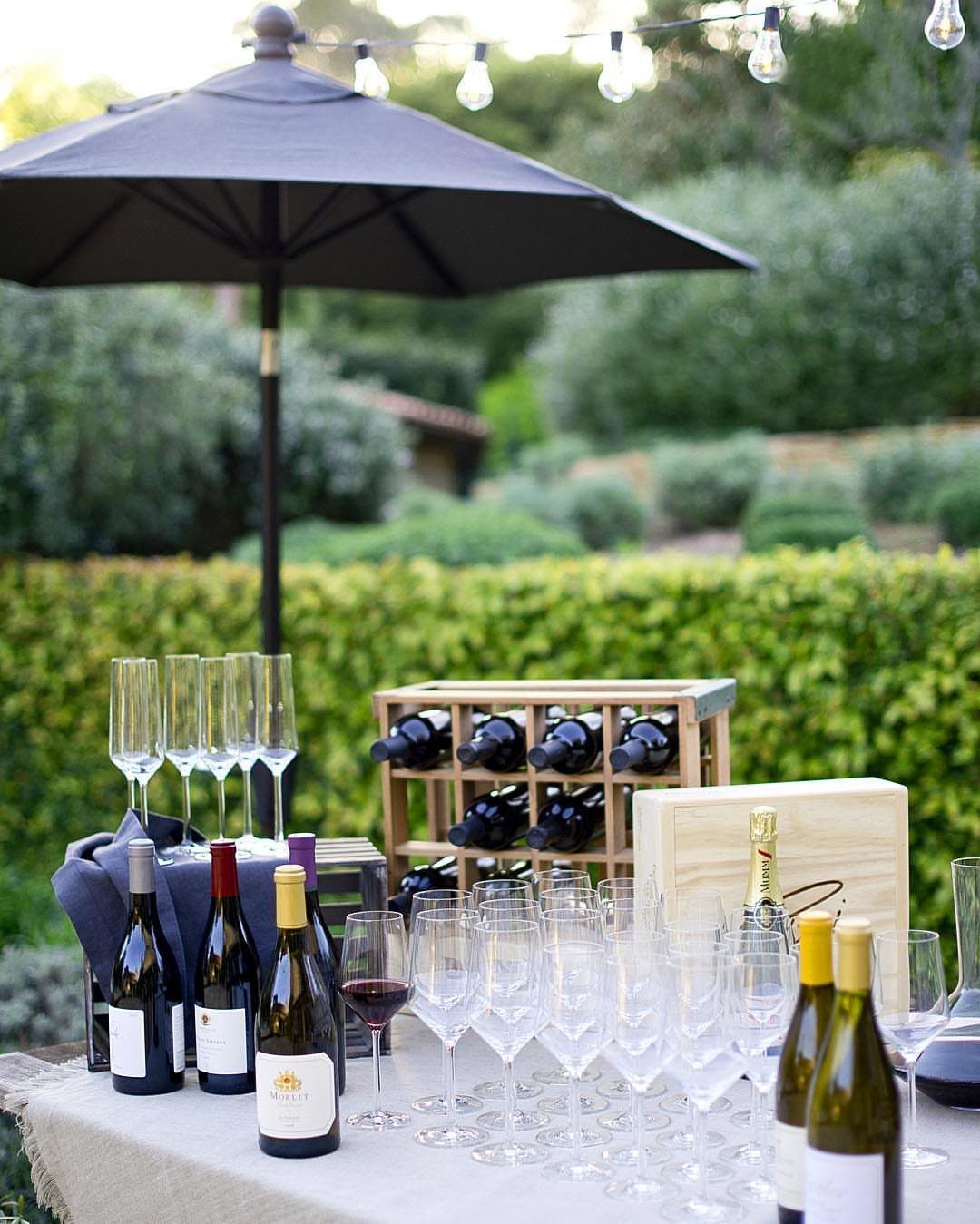
A patio table under an umbrella makes an easy self-serve wine station. Put bottles, a row of glasses and a wooden rack on one table, so guests can pour without crowding the host.
String lights keep the spot easy to find after dark, and shade keeps the bottles from warming in the sun. I’d tuck a wooden crate nearby for extra bottles or empties.
Set the station away from the food so people don’t bunch up in one corner.
11. Wine and Appetizer Buffet Table
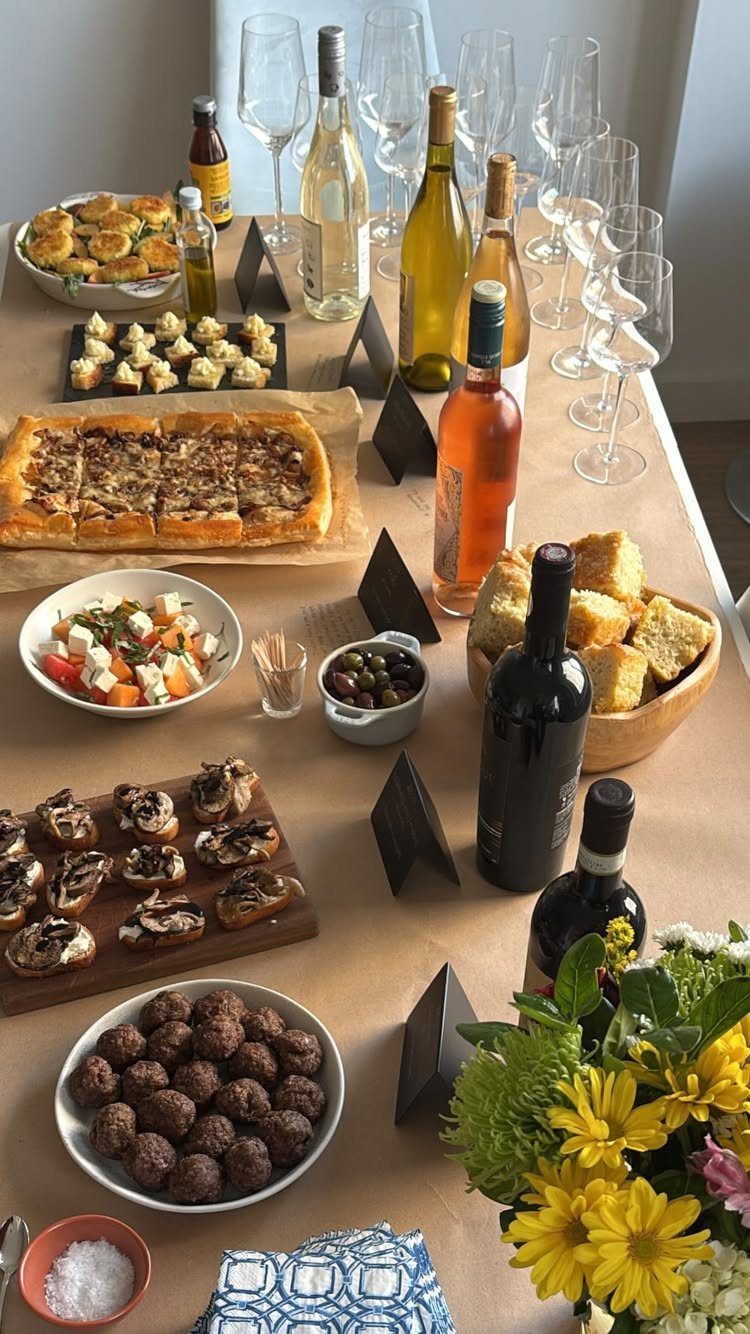
Brown paper over a big folding table is the cheapest tablecloth I know: roll it out, tape the ends underneath, and spills hardly matter. Set wine bottles and rows of glasses along one end, and the food down the rest.
Mix hot and cold dishes, such as a tart, meatballs, a salad and bread, so guests can build a plate that suits the wine. A small bouquet at the front adds color for a few dollars.
Pick finger-friendly dishes, since people will be holding a glass in the other hand.
Wine Selection Tips
Pick 4–6 wines and give them a theme, because a theme turns a pile of bottles into an evening with a shape.
Pick one theme for the flight and stick to it: a single grape from two countries (Malbec from Argentina next to Malbec from France), one grape from three producers in the same region, one grape at three price points, or a lineup of wines under 12% ABV.
Mixed flights of white and red still work if the pouring order climbs in weight, so start with light whites, move to fuller whites, then light reds, and save the heaviest red for last.
That sequence lets each wine show its best side instead of being flattened by the one before it.
6 is my ceiling. Past that, palates tire and the notes get vague.
Tasting Techniques
Walk guests through 5 steps for each pour: observe, swirl, smell, sip, savor.
Tilt the glass against a white napkin or a lamp and check the color and clarity, then watch the "legs" that slide down the inside of the bowl.
Swirl gently, then take a real sniff and decide whether it’s fruity, floral, earthy or spicy.
Take a small sip and roll it around your mouth so it reaches your whole tongue. Pay attention to sweetness, acidity, tannins and body, then talk about the finish, meaning how long the flavor lingers.
2 more details help. Pour 2 wines side by side if you have the glasses, because comparing is how people start to notice differences.
Keep the room well lit and neutral-smelling, since wine picks up surrounding aromas. I’d ask guests to go easy on perfume and cologne.
Hydration and Safety
Put out water before the first pour and keep it filled all evening.
Water is the best way to head off a headache, and it keeps people steadier.
Have food out the whole time, and plan rides home for anyone who needs one.
Frequently Asked Questions
How do you do a wine tasting party?
Pick a theme and 4–6 wines that fit it, such as one grape from two countries or one grape at three price points. Pour in order from light to heavy, with water and food out all evening.
Give each guest a glass and a short scorecard or notebook. A theme gives the night a shape instead of leaving a pile of bottles.
What order should you serve wines at a tasting?
Pour lighter wines before heavier ones: crisp whites, then richer whites, followed by softer reds, and finish with the boldest.
Climbing in weight lets each wine show its best side. A heavy wine early on would flatten everything poured after it.
What are the steps of tasting wine?
Look at the color, swirl to release aroma, smell, taste, and notice what stays after you swallow. Check color and clarity against a white napkin or lamp, swirl gently, then sniff for fruity, floral, earthy or spicy notes.
Let the wine coat your tongue and notice whether it tastes sweet or dry, how much acidity cuts through, whether tannins grip your gums, how heavy it feels, and whether the flavor disappears fast or hangs around.





